How to Plan B-Roll for Powerful Video Interviews: A Complete Guide for Business Video Production

When it comes to creating impactful corporate videos, few elements are as crucial as B-roll. This supplementary footage is key to adding depth, engagement, and a polished look to any video interview. B-roll helps to reinforce your message, offer visual variety, and keep your audience interested. However, planning and capturing B-roll effectively requires thought, strategy, and a creative approach. As an experienced videographer and photographer with St. Louis Video Production Crews, I’ve seen firsthand how vital B-roll is in transforming good interviews into great ones. Below, I’ll walk you through the process of planning and capturing B-roll for powerful video interviews.

For a professional look, also consider camera movements like panning, tilting, or zooming. These movements add an extra layer of engagement and dynamism to your video.

What is B-Roll and Why Does It Matter?

B-roll refers to supplemental footage that intercuts with your primary footage (A-roll), such as video interviews. It’s used to illustrate, support, or enhance what’s being discussed. Whether it’s close-ups of hands working on a project, wide shots of an office space, or reactions from people interacting in a meeting, B-roll adds a dynamic quality to your video.

Without B-roll, your interview footage would appear flat, monotonous, and lackluster. Adding B-roll enables you to:

  • Visually emphasize key points: For example, if your interviewee is talking about company growth, you can show footage of bustling office spaces or product development.
  • Create a more engaging viewing experience: By alternating between the speaker and relevant B-roll, the video will hold the audience’s attention more effectively.
  • Build a cohesive narrative: B-roll can show your company’s work environment, team dynamics, or client interactions, giving your audience a richer understanding of the story you’re telling.

Step-by-Step Guide to Planning B-Roll for Video Interviews

  1. Identify Key Points in the Interview

Start by carefully reviewing the interview questions and the answers given by your subject. Pinpoint important moments, such as stories, statistics, or insights that need visual support. These are the moments where B-roll footage will have the most impact. For example, if the interviewee discusses the company’s innovative technology, B-roll showing the product in use or shots of team members brainstorming would be ideal.

  1. Determine the Visuals That Support Your Message

Consider how you can visually represent the key points in the interview. Does the subject mention a new product launch? Capture footage of the product in use. If they mention team collaboration, you could film employees in meetings or working together on projects. You’ll also want to think about incorporating your company’s branding elements, including logos, signage, or product visuals, as these can reinforce your brand’s presence in the video.

  1. Choose the Right Locations for B-Roll

The setting of your B-roll is just as important as the footage itself. The location should align with the message of the interview, adding authenticity and value to the narrative. For example:

  • Office spaces: Capture your team working, collaborating, or interacting with clients.
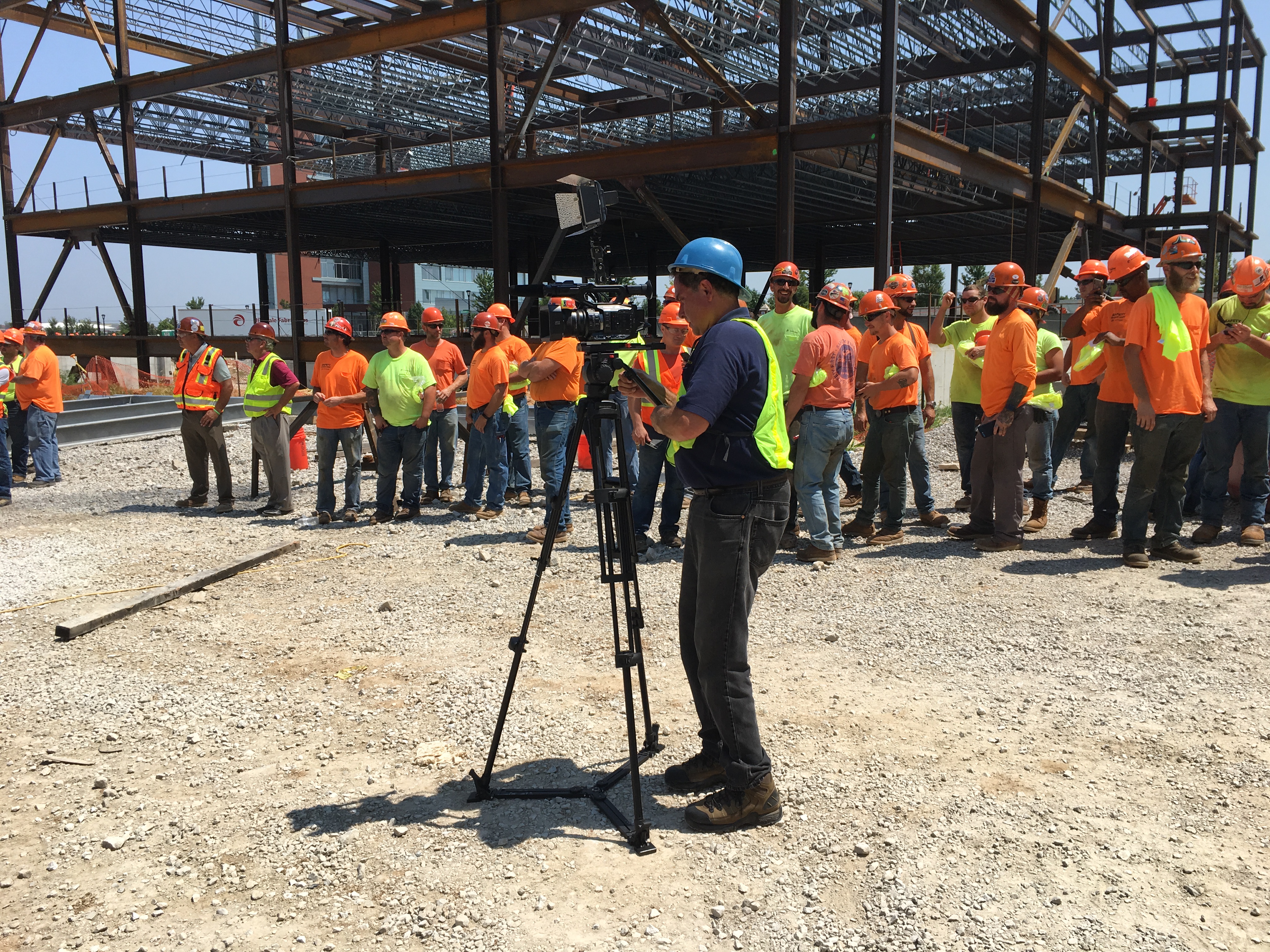
  • Factory or workshop settings: If you’re talking about manufacturing or product development, filming your production process is essential.
  • On-site at events or conferences: If your business is engaged in public-facing events, showing these settings will add excitement and energy to your video.
  1. Coordinate Camera Angles and Movement
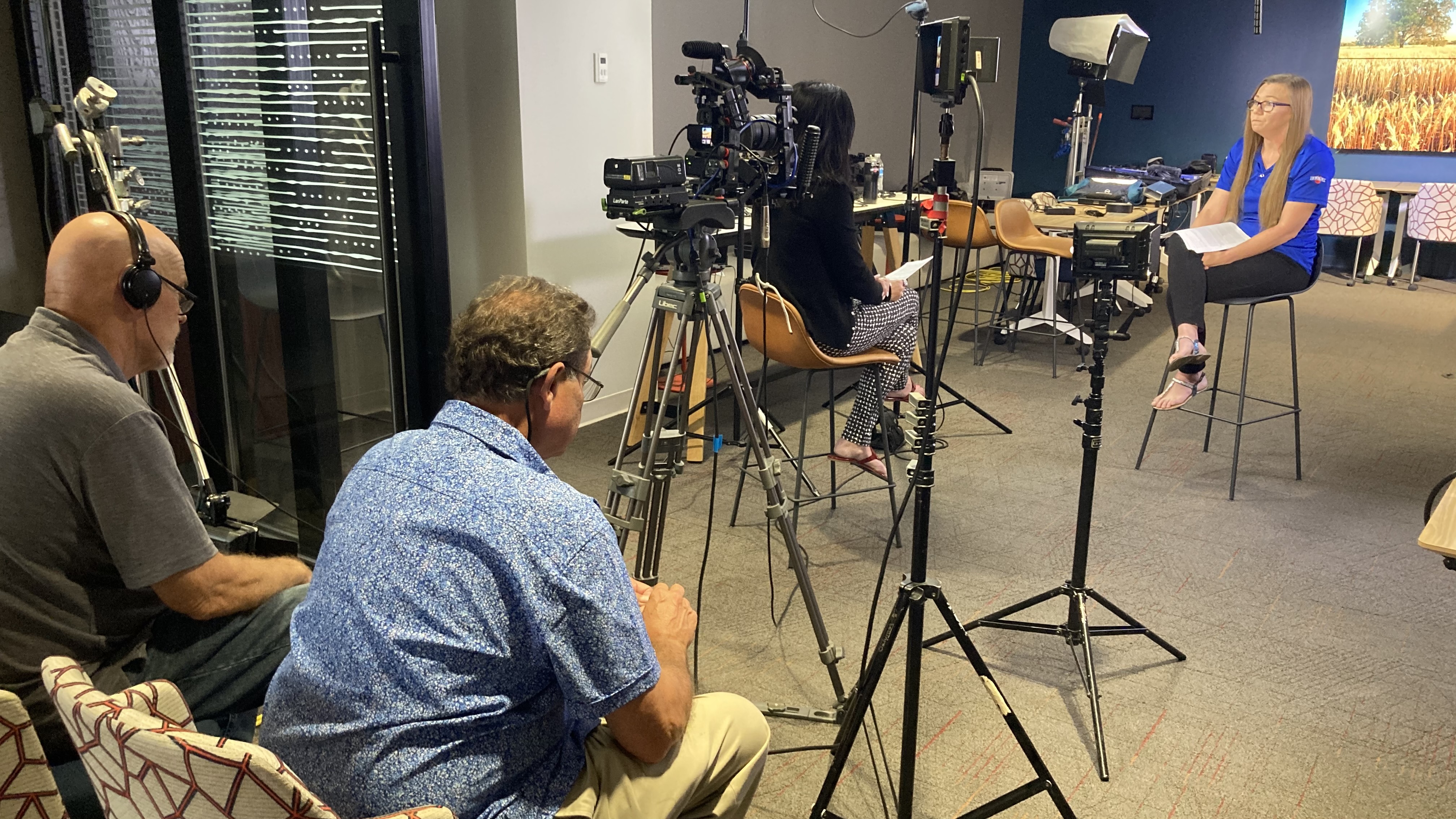
B-roll footage should provide a variety of shots. This could mean varying the camera angle, such as wide shots, close-ups, over-the-shoulder shots, and tracking shots. For a professional look, also consider camera movements like panning, tilting, or zooming. These movements add an extra layer of engagement and dynamism to your video.

  1. Plan Your Lighting and Composition

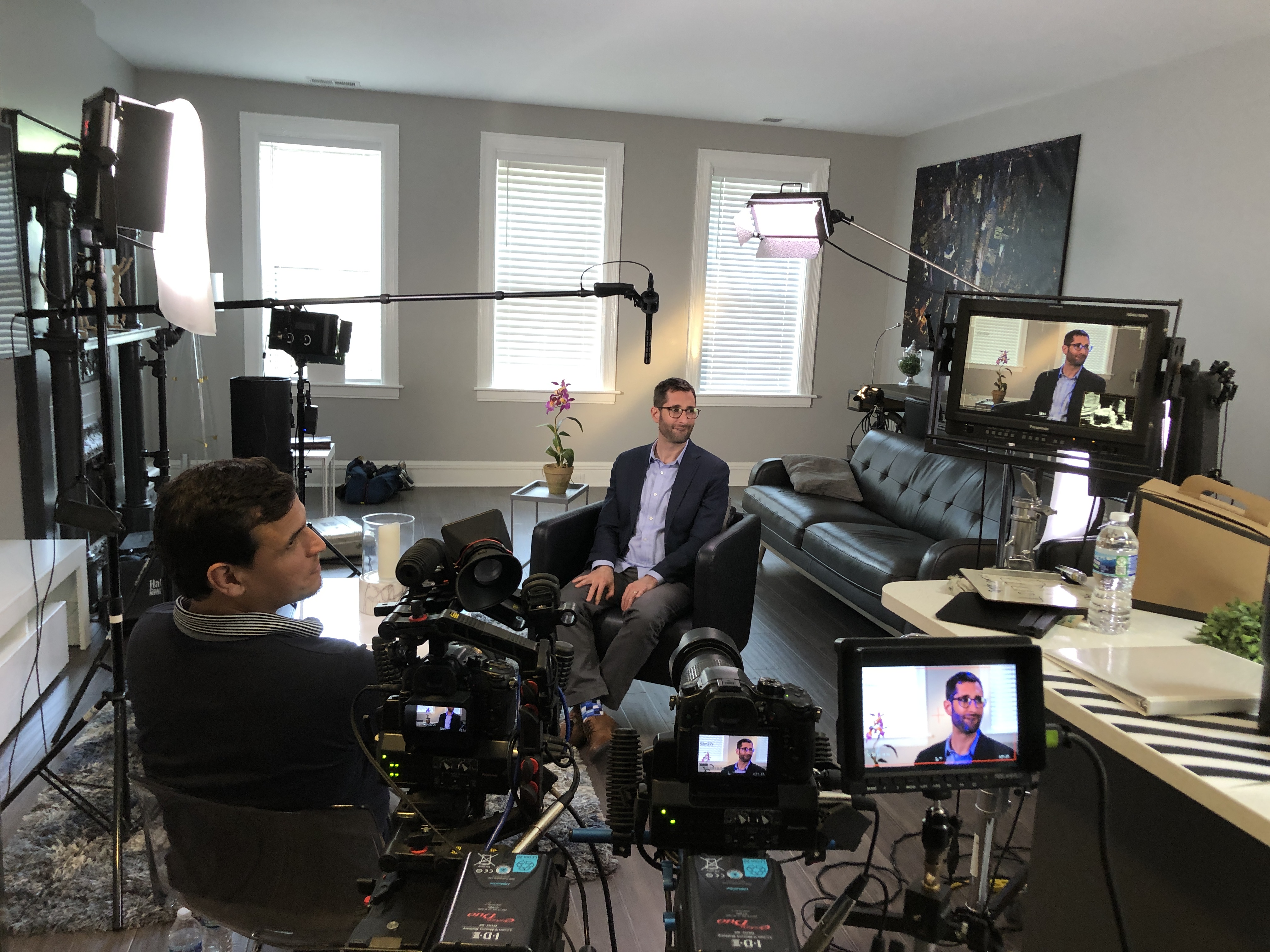
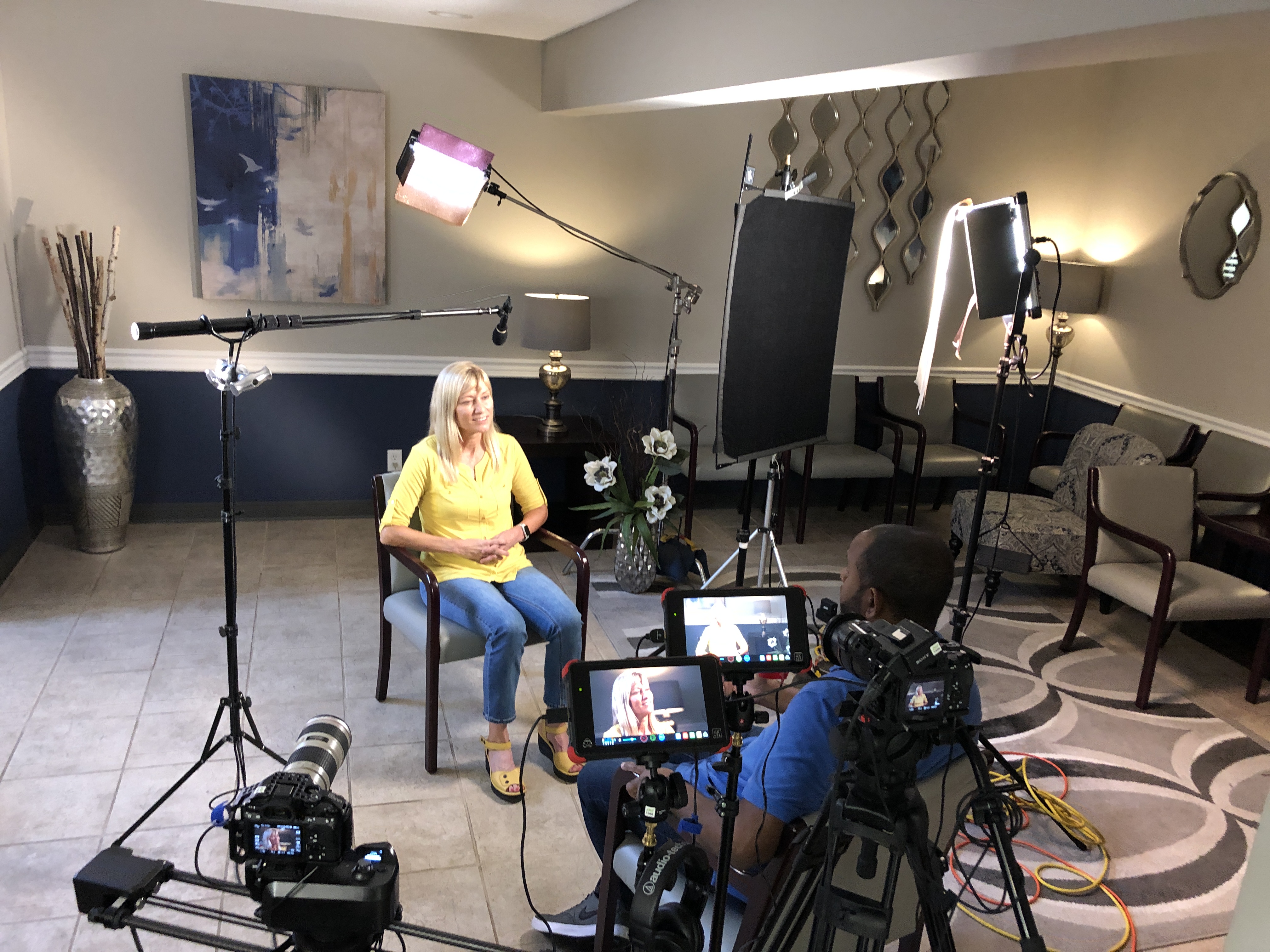
Lighting plays a crucial role in making your B-roll footage look professional. Good lighting highlights important details, enhances the mood, and creates a consistent look across shots. Depending on your location, you may need to bring your own lighting setup to ensure that all B-roll footage is well-lit and matches the lighting of the interview.

In our private studio, we provide the perfect lighting setup for small productions and interview scenes, which means you won’t need to worry about inconsistent lighting affecting your visuals.

  1. Capture Supporting Visuals: From Props to People

Don’t forget that B-roll can also include supporting visuals like props, signage, or even staged interactions. For instance, if your company provides services, show visuals of your team interacting with clients or using the product. These types of shots help add realism and can help tell your story in a more comprehensive way.

  1. Utilize Your Crew for Seamless Production

For a high-quality result, your B-roll footage should be captured seamlessly within the context of the interview. This is where an experienced crew comes in. As part of St. Louis Video Production Crews, we have the right team members—from camera operators to sound engineers—who know how to plan and capture B-roll effectively, ensuring that the footage fits with your interview and story arc.

The St. Louis Video Production Crews Difference: Your Partner for Powerful Video Interviews

When you partner with St. Louis Video Production Crews, you’re not just hiring a videographer; you’re gaining a team of seasoned professionals with years of experience in crafting exceptional corporate videos. We specialize in full-service studio and location video and photography, editing, and post-production services.

Our creative crew is equipped with top-of-the-line equipment to meet diverse production needs, whether you’re shooting interviews in a controlled studio environment or capturing dynamic location footage. We offer:

  • Customized production services: Whether you need a custom interview set up or specialized drone shots, we can adapt our services to meet your specific needs.
  • Expertly executed B-roll: We’ll ensure that your B-roll footage enhances your message, keeping your video engaging and on-brand.
  • Extensive knowledge of file types and media software: We’re well-versed in all styles of media and the software required to work with them, so you don’t need to worry about technical issues.
  • Licensed drone pilots: For unique shots, we have licensed drone pilots capable of flying specialized drones indoors, adding an extra level of creativity to your production.

St. Louis Video Production Crews has been serving businesses, marketing firms, and agencies in the St. Louis area since 1982, making us a trusted partner in corporate video production. Let us help you capture the essence of your brand and convey your message in a powerful, professional video that resonates with your audience.

Ready to elevate your corporate video with expertly planned B-roll? Get in touch with St. Louis Video Production Crews today!

videocrewsstlouis@gmail.com

314-913-5626

Avoid Common Location Scouting Mistakes

Location scouting is a critical step in the production process that can make or break your project. Whether you’re creating a corporate video, a marketing campaign, or any other visual content, choosing the right location is essential. Yet, many production teams encounter pitfalls that can lead to delays, budget overruns, and disappointing results. In this post, we’ll explore common mistakes in location scouting and provide guidance on how to avoid them, ensuring a smoother production process.

Always have a backup plan in place, which includes alternative locations and shooting schedules.

1. Not Defining Your Vision

Before you begin scouting locations, it’s crucial to have a clear vision of what you want to achieve. Failing to define your project’s goals can lead to wasted time and effort. Take the time to develop a detailed brief that outlines the project’s objectives, themes, and stylistic elements. This will serve as your roadmap during the scouting process and help you identify locations that align with your vision.

2. Skipping the Recce

One of the most significant mistakes is relying solely on online images and descriptions. While technology allows us to view locations remotely, nothing compares to visiting a site in person. A site visit provides insights into lighting conditions, space dimensions, and the overall atmosphere. It also allows you to assess practical considerations, such as accessibility and parking.

3. Ignoring Legal Considerations

Every location comes with its own set of legal requirements, including permits and insurance. Failing to address these legalities can result in delays and additional costs. Before securing a location, research any permits or licenses required for filming. Collaborating with local authorities or property owners can help you navigate these legalities more smoothly.

4. Overlooking Logistics

Logistics can be a production’s silent enemy. When scouting locations, consider the logistics of moving your crew, equipment, and talent to and from the site. Evaluate factors such as:

  • Access: Is the location easily accessible for your crew and equipment?
  • Amenities: Are there nearby facilities for your team, such as restrooms or catering?
  • Parking: Is there sufficient parking for your crew and production vehicles?
  • Safety: Are there any safety concerns that could impact your shoot?

By addressing these logistical considerations upfront, you can minimize disruptions during production.

5. Failing to Communicate with Your Team

Effective communication with your production team is paramount. Once you’ve scouted a location, gather feedback from your crew to ensure everyone is aligned with the site’s suitability. This is especially important for technical teams who may have specific requirements for filming and sound quality. Regularly sharing updates and insights can help create a collaborative environment that enhances the overall production process.

6. Not Having a Backup Plan

Sometimes, despite careful planning, things don’t go as expected. Weather changes, unforeseen circumstances, or last-minute cancellations can disrupt your production schedule. Always have a backup plan in place, which includes alternative locations and shooting schedules. This flexibility can save time and resources, ensuring your production stays on track.

7. Ignoring Local Expertise

Partnering with local professionals can provide invaluable insights into the area you’re scouting. Local experts often have knowledge about hidden gems, logistical challenges, and local regulations that you may not be aware of. Engaging with experienced location scouts can lead to discoveries that elevate your production’s quality.

Conclusion

Avoiding these common location scouting mistakes can significantly improve the quality and efficiency of your video production. At St. Louis Video Production Crews, we understand the importance of meticulous planning and execution in location scouting. As a full-service professional commercial photography and video production company since 1982, we have the experience, right equipment, and creative crew service expertise necessary for successful image acquisition.

We offer comprehensive services, including studio and location video and photography, editing, post-production, and licensed drone pilots. Our team can customize your productions to meet diverse media requirements, ensuring your content stands out. We specialize in repurposing photography and video branding to help you gain more traction in your marketing efforts.

Our private studio, equipped with professional lighting and visual setups, is ideal for small productions and interview scenes. It provides ample space for props to enhance your set, and we can assist with every aspect of your production—from custom interview studio setups to providing sound and camera operators. With the capability to fly specialized drones indoors, we have everything you need to make your next video production perfect.

For any corporate photography or video needs in the St. Louis area, trust St. Louis Video Production Crews to deliver exceptional results tailored to your vision.

videocrewsstlouis@gmail.com

314-913-5626

Integrating Efficiencies of Photography and Video in Your Production

In today’s fast-paced business environment, decision-makers are constantly seeking ways to optimize their marketing strategies. One of the most effective ways to achieve this is by integrating photography and video production. The seamless combination of these two media forms can enhance brand storytelling, engage audiences more effectively, and ultimately drive better results for your business. In this article, we will explore the benefits of integrating photography and video production and provide practical tips on how to do it efficiently.

Create a detailed shot list that includes both photo and video requirements, and plan your schedule to maximize efficiency.

The Power of Integrated Media

Enhanced Storytelling

Photography and video each have their unique strengths. Photography captures moments in a single frame, allowing for detailed examination and appreciation. Video, on the other hand, adds motion and sound, creating a dynamic and immersive experience. When combined, these two media forms can tell a more compelling and nuanced story. For instance, a promotional campaign might use high-quality photos to draw initial attention, followed by a video to provide deeper context and engagement.

Consistent Branding

Consistency is key in branding. By integrating photography and video production, businesses can ensure a uniform look and feel across all their marketing materials. This consistency helps to reinforce brand identity and makes a more memorable impression on the audience. For example, using the same color schemes, fonts, and stylistic elements in both photos and videos can create a cohesive brand image that is instantly recognizable.

Cost and Time Efficiency

Producing photography and video content simultaneously can save both time and money. Instead of organizing separate shoots, businesses can plan for combined sessions where photographers and videographers work together. This not only reduces the logistical complexity but also ensures that the content produced aligns perfectly in terms of style and message.

Practical Tips for Integration

Planning and Pre-production

Effective integration starts with thorough planning. Begin by defining your objectives and key messages. Determine how photography and video will work together to convey these messages. Create a detailed shot list that includes both photo and video requirements, and plan your schedule to maximize efficiency.

Collaborative Teamwork

Ensure that your photography and video teams are on the same page. Regular communication and collaboration between the teams are essential. Hold joint pre-production meetings to discuss the creative vision, technical requirements, and logistical details. Encourage team members to share their expertise and insights to achieve the best possible results.

Leveraging Technology

Utilize the latest technology to streamline your production process. High-quality cameras that can shoot both photos and videos are a valuable asset. Drones, gimbals, and other specialized equipment can enhance both photography and video shoots, providing unique perspectives and smooth, professional footage. Additionally, consider using software tools that facilitate collaboration and project management.

Post-production Synergy

In post-production, maintaining a cohesive look and feel is crucial. Use the same color grading, editing styles, and effects for both photos and videos. Consistent post-production treatment ensures that the final outputs are visually harmonious. Additionally, repurposing content across different media can maximize your investment. For example, still frames from videos can be used as promotional images, and behind-the-scenes photos can enhance the storytelling of your video projects.

Partner with the Experts: St Louis Video Production Crews

At St Louis Video Production Crews, we specialize in integrating the efficiencies of photography and video production to deliver outstanding results for our clients. As a full-service professional commercial photography and video production company, we offer a comprehensive range of services, including studio and location shoots, editing, post-production, and licensed drone operations.

Our experienced creative crew is adept at customizing productions to meet diverse media requirements. We excel in repurposing your photography and video branding to maximize traction, ensuring your content is versatile and impactful across various platforms. Our team is proficient in all file types, styles of media, and accompanying software, providing a seamless and efficient production experience.

Our private studio is ideal for small productions and interview scenes, with ample space for props to enhance your set. From private custom interview studio setups to providing sound and camera operators, we have everything you need to make your next video production perfect. Our specialized drones are capable of indoor flights, adding a unique dimension to your projects.

St Louis Video Production Crews has collaborated with numerous businesses, marketing firms, and agencies in the St. Louis area, delivering exceptional corporate photography and video services. Trust us to bring your vision to life with the perfect blend of creativity, technical expertise, and efficiency.


By integrating photography and video in your production processes, you can enhance your storytelling, maintain consistent branding, and achieve cost and time efficiencies. Partner with St Louis Video Production Crews to leverage our expertise and experience in creating powerful visual content that drives results for your business.

videocrewsstlouis@gmail.com

314-913-5626