When it comes to capturing stunning visuals—whether on the ground or in the air—successful productions begin long before the camera rolls. Efficient setup practices are crucial for staying on schedule, maintaining image quality, and creating a seamless experience for both your crew and your client. At St Louis Video Production Crews, we understand that time is money, and preparation is power.
Here are expert tips to ensure quick yet professional setups for both aerial and ground-based video and photography shoots:
1. Scout and Plan with Precision
Before wheels hit the ground, conduct a detailed location scout. Evaluate natural lighting, sound interference, space for gear, and any airspace restrictions for drone operation. Use GPS pin drops, aerial mapping apps, and sample footage stills to visualize the environment and plan efficient shooting angles.
Pro Tip: When working with drones, verify FAA flight restrictions and check weather forecasts up to the hour before takeoff.
2. Pack for Speed and Simplicity
Your gear checklist should reflect speed and versatility. Modular camera rigs, quick-deploy tripods, and gimbal stabilizers can make all the difference when moving between shots. For drone operations, ensure batteries are fully charged, firmware is updated, and props are pre-attached for rapid deployment.
Recommended Gear for Quick Setups:
Ground: Lightweight tripods with fluid heads, LED panels with battery packs, mobile monitor stations
3. Use Pre-Programmed Flight Paths and Ground Presets
If you’re shooting the same location across multiple sessions, create saved presets for camera profiles, white balance, and gimbal movements. For drones, use waypoints or intelligent flight modes for consistent and safe repeatability.
4. Control Lighting and Shadows Fast
For ground shoots, use bounce boards or collapsible diffusion panels to manage natural light quickly without having to rig a full lighting setup. For drone shoots, shoot during golden hour to minimize harsh shadows and avoid midday glare.
5. Communicate with Clarity and Confidence
A well-briefed team is a fast team. Establish roles beforehand—who’s monitoring audio, flying the drone, handling lighting, or capturing B-roll? If you’re coordinating a client-side marketing team or talent, let them know the schedule and flow so everyone works toward a shared vision.
6. Backups and Redundancies Save the Day
Always bring backups: camera batteries, drone props, lenses, media cards, and charging cables. A small hiccup shouldn’t derail your production, especially when timing is tight and locations are remote.
7. Be Creative—but Stay Flexible
Even the best-laid production plans can shift with weather, lighting, or last-minute client input. Stay agile. The best crews know how to pivot quickly without compromising production value.
Why Work with St Louis Video Production Crews?
At St Louis Video Production Crews, we’ve mastered the art of quick and effective setups, whether we’re shooting a dynamic aerial sequence over a construction site or a polished sit-down interview in a corporate office. As a full-service professional commercial photography and video production company, we provide:
Studio and on-location video and photography
Expert editing, post-production, and AI-enhanced workflows
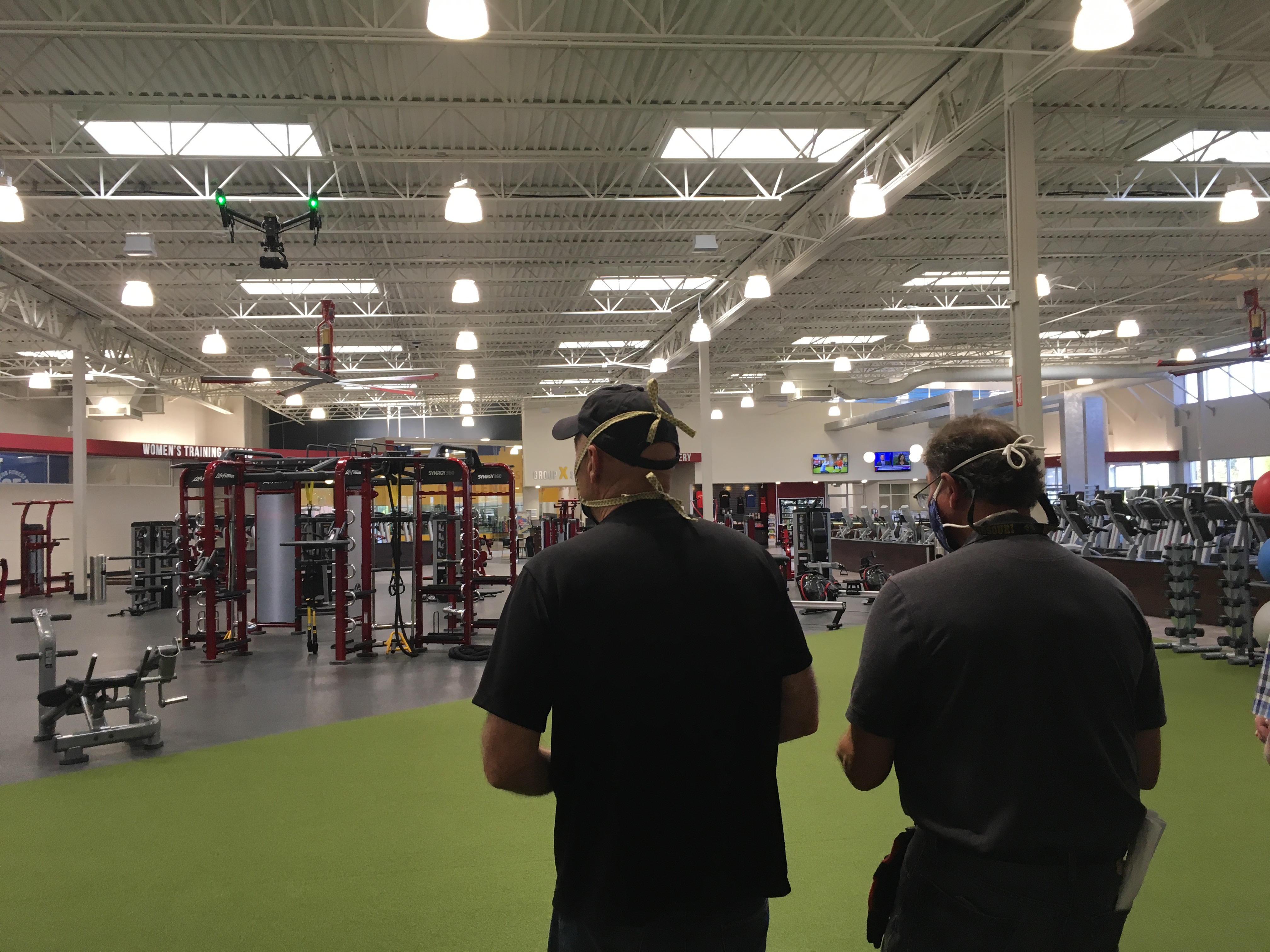
Licensed drone pilots capable of indoor and outdoor flights
Private studio lighting and set design for controlled environments
Custom interview studios and dedicated sound/camera operators
Deep experience working with businesses, marketing firms, and agencies since 1982
We are well-versed in all modern media formats and use the latest technology to ensure your video and photo assets not only meet expectations—but exceed them. Our specialization in repurposing branded visual content helps your media stretch further, engage deeper, and drive more value across platforms.
When you need a reliable team who can hit the ground (or air) running, St Louis Video Production Crews has the tools, talent, and track record to bring your vision to life—efficiently, creatively, and professionally.
314-913-5626 Mike Haller, St Louis Video Crew Captain
When businesses invest in professional video content, a surprising amount of focus tends to fall on the interview or scripted narrative — and understandably so. But it’s often the B-roll — those supplemental shots that visually support your main footage — that determines whether your final production is forgettable or truly compelling.
At St Louis Video Production Crews, we’ve seen firsthand how great B-roll elevates messaging, adds context, and keeps audiences engaged. Unfortunately, we’ve also seen what happens when B-roll is overlooked or poorly executed. If you’re a decision-maker guiding photography and video production for your organization, understanding common B-roll mistakes — and how to avoid them — can save time, money, and your brand’s credibility.
Mistake #1: Skipping the Planning Phase
One of the most common B-roll blunders is treating it as an afterthought. Without a strategic plan, the footage captured is often generic, redundant, or irrelevant.
Solution: Plan your B-roll with purpose. Think in terms of visual storytelling — how can your supporting footage visually reinforce what’s being said? At St Louis Video Production Crews, we map out a detailed B-roll shot list during pre-production based on the script or interview content. This ensures that every cutaway has a reason to be in the edit.
Mistake #2: Relying on Stock Footage
Stock B-roll may save time, but it rarely aligns with your brand’s authenticity or messaging. Overused clips can cheapen your final product, especially when audiences recognize them from other unrelated content.
Solution: Custom footage is always king. Whether we’re filming at your facility, in our private studio, or capturing aerial shots with licensed drones, our goal is to create B-roll that is uniquely yours. We customize every aspect to your branding, tone, and media objectives.
Mistake #3: Shooting Without Intentional Framing
Even experienced crews sometimes capture B-roll that lacks composition — resulting in shaky, overly wide, or uninteresting visuals. This lack of attention to detail can make your production look amateur.
Solution: B-roll deserves the same professional treatment as any hero shot. Our camera operators understand the art of visual composition, lighting, and motion. With our private studio lighting setups and framing expertise, we deliver clean, intentional footage that enhances your message and looks great across all platforms.
Mistake #4: Ignoring Audio Opportunities
While B-roll is typically silent in the final edit, capturing relevant natural sound (also known as nat sound) can create richer storytelling options in post. It’s often a missed opportunity.
Solution: We train our crews to think ahead — when appropriate, we roll audio with our B-roll, capturing footsteps, ambient office sound, or machinery in action. This gives editors more creative tools to weave an engaging narrative and texture your video with authenticity.
Mistake #5: Using Outdated or Inconsistent Visual Styles
Using mismatched frame rates, resolutions, or color profiles can leave your B-roll looking inconsistent — distracting from your brand’s polished image.
Solution: Our team ensures visual consistency across all footage, applying calibrated color profiles and using matching cameras and frame rates throughout the shoot. We’re well-versed in all media file types and editing software, and we use the latest AI-assisted tools in post-production for style matching, color grading, and motion smoothing.
Elevate Your Next Production with the Right Team
B-roll is not just “filler.” Done right, it gives your video depth, emotion, and brand personality. Done wrong, it drags down your entire production. That’s why it’s essential to work with a crew that understands the nuance and power of supplemental visuals.
St Louis Video Production Crews is a full-service professional commercial photography and video production company with the right equipment and creative crew service experience for successful image acquisition. We offer full-service studio and location video and photography, editing and post-production, and licensed drone pilots, including the capability to fly specialized drones indoors.
We can customize your productions for diverse types of media requirements — and we specialize in repurposing photography and video branding to gain more traction across marketing channels. With experience in all file types, media styles, and advanced editing software, we use the latest Artificial Intelligence tools to enhance and streamline our services.
Our private studio features professional lighting, a clean visual setup for small productions or interviews, and enough space to incorporate props to round out your set. Whether you’re looking for a private custom interview scene or need camera operators, sound techs, or a turnkey production team, we’ve got you covered.
Since 1982, we’ve helped businesses, marketing firms, and creative agencies across the St. Louis area bring their stories to life with compelling, professional video content.
Let’s avoid those B-roll blunders — and make your next video production perfect.
Ready to roll? Contact St Louis Video Production Crews today to start planning your next standout production.
Filming a sit-down interview can be a daunting task, especially if you’re new to the world of video production. Whether you’re creating a corporate video, a documentary, or a news segment, it’s important to know the dos and don’ts of filming a sit-down interview. From setting up the perfect backdrop to asking the right questions, every detail matters when it comes to creating a compelling and engaging interview. In this article, we’ll take a closer look at some of the key dos and don’ts of filming a sit-down interview, so you can create video content that resonates with your audience and tells a powerful story. So, whether you’re a seasoned video professional or a beginner, read on to learn more about the essential techniques that will help you capture your subject’s story in the most effective way possible.
Create video interview content that resonates with your audience and tells a powerful story.
Understanding the Purpose and Audience of Your Sit-Down Interview
Before you begin filming a sit-down interview, it’s essential to understand the purpose and audience of your video. This will help you determine the tone, style, and content of your interview. For example, if you’re creating a corporate video, your interview may need to be more formal and focused on the company’s goals and achievements. On the other hand, if you’re creating a documentary, your interview may need to be more personal and emotional, focused on the subject’s experiences and challenges.
Another important factor to consider is your audience. Who will be watching your video, and what do they want to see? Understanding your audience will help you tailor your interview to their interests and expectations. For example, if you’re creating a video for a younger audience, your interview may need to be more energetic and visually engaging, with shorter questions and more dynamic camera angles.
It’s also important to consider the length of your interview. Depending on the purpose and audience of your video, your interview may need to be longer or shorter. For example, a corporate video may need to be shorter, while a documentary may require a longer and more in-depth interview.
Overall, understanding the purpose and audience of your sit-down interview is crucial for creating a compelling and effective video.
Dos and Don’ts of Choosing the Right Location
Choosing the right location for your sit-down interview can make a big difference in the quality of your video. Here are some dos and don’ts to keep in mind:
DO choose a quiet location: Make sure that your location is free from distracting noises, such as traffic or background chatter. You don’t want these sounds to interfere with your interviewee’s responses.
DON’T choose a location with poor lighting: Good lighting is essential for capturing clear and high-quality footage. Avoid locations with harsh or dim lighting, as this can make your interviewee look unflattering and unprofessional.
DO choose a location with a neutral background: A neutral background, such as a solid-colored wall or a simple backdrop, can help keep the focus on your interviewee and their responses. Avoid locations with busy or distracting backgrounds.
DON’T choose a location with limited space: Make sure that your location has enough space for all of your equipment and crew. You don’t want to feel cramped or have to compromise on camera angles because of limited space.
Overall, choosing the right location for your sit-down interview is essential for creating a professional and high-quality video.
Set Design and Lighting Tips for a Captivating Interview
Once you’ve chosen the right location for your sit-down interview, it’s time to set the stage. Here are some set design and lighting tips to help you create a captivating interview:
SET DESIGN:
DO keep it simple: A simple and clean set design can help keep the focus on your interviewee and their responses. Avoid cluttered or busy set designs that can be distracting.
DON’T forget about branding: If you’re creating a corporate video, incorporating your company’s branding into the set design can help reinforce your company’s message and identity.
DO consider props: Depending on the purpose and audience of your video, incorporating props into your set design can help make your interview more engaging and dynamic.
LIGHTING:
DO use natural light: Natural light can provide a soft and flattering look for your interviewee. Try to position your subject near a window or in a location with ample natural light.
DON’T rely on overhead lighting: Overhead lighting can cast unflattering shadows on your interviewee’s face. Instead, use soft and diffused lighting, such as a softbox or umbrella, to create a more flattering and professional look.
DO use a three-point lighting setup: A three-point lighting setup, which includes a key light, a fill light, and a backlight, can help create a more dynamic and visually appealing interview.
By following these set design and lighting tips, you can create a captivating and visually engaging interview.
Preparing Your Interviewee for the Big Day
Preparing your interviewee for the big day is crucial for creating a successful interview. Here are some tips to help you prepare your interviewee:
DO provide a list of questions ahead of time: Providing a list of questions ahead of time can help your interviewee prepare their responses and feel more comfortable during the interview.
DON’T be too rigid with your questions: While it’s important to have a list of questions, don’t be afraid to deviate from it if your interviewee brings up an interesting topic or response.
DO provide clear instructions: Make sure that your interviewee knows what to expect on the day of the interview, including the location, time, and dress code.
DON’T forget about logistics: Make sure that you have all of the necessary equipment and crew in place for the day of the interview, and that you have a backup plan in case of any technical difficulties.
DO create a comfortable environment: Creating a comfortable and relaxed environment can help your interviewee feel more at ease during the interview. This can include offering refreshments, providing comfortable seating, and having a friendly and welcoming demeanor.
By preparing your interviewee ahead of time, you can create a more successful and engaging interview.
Sit-Down interview style of video production.
Essential Equipment for Filming a Sit-Down Interview
Having the right equipment is crucial for creating a high-quality sit-down interview. Here are some essential pieces of equipment that you’ll need:
CAMERA:
DO use a high-quality camera: A high-quality camera can provide clear and sharp footage, even in low-light situations.
DON’T forget about audio: Good audio is just as important as good video. Make sure that you have a high-quality microphone, such as a lavalier or shotgun mic, to capture clear and crisp audio.
DO use a tripod: A tripod can help keep your camera steady and prevent shaky footage.
LIGHTING:
DO use soft and diffused lighting: Soft and diffused lighting can create a more flattering and professional look.
DON’T forget about lighting stands and accessories: Make sure that you have all of the necessary lighting stands and accessories, such as light stands, umbrellas, and softboxes, to create the perfect lighting setup.
OTHER EQUIPMENT:
DO use headphones: Headphones can help you monitor audio levels and ensure that you’re capturing clear and high-quality audio.
DON’T forget about backup equipment: Make sure that you have backup equipment, such as extra batteries and memory cards, in case of any technical difficulties.
By having the right equipment, you can create a professional and high-quality sit-down interview.
Conducting the Interview – Tips for Asking the Right Questions and Eliciting Compelling Answers
Conducting the interview is where the magic happens. Here are some tips for asking the right questions and eliciting compelling answers:
DO start with easy and open-ended questions: Starting with easy and open-ended questions can help your interviewee feel more comfortable and relaxed.
DON’T interrupt or dominate the conversation: Let your interviewee do most of the talking, and avoid interrupting or dominating the conversation.
DO listen actively and ask follow-up questions: Active listening can help you understand your interviewee’s perspective and elicit more compelling and detailed responses.
DON’T be afraid to deviate from your script: While it’s important to have a list of questions, don’t be afraid to deviate from it if your interviewee brings up an interesting topic or response.
DO create a conversational tone: Creating a conversational and friendly tone can help your interviewee feel more at ease and open up more during the interview.
By following these tips, you can create a more engaging and compelling sit-down interview.
The Importance of Editing and Post-Production in Creating a Powerful Interview
Editing and post-production are crucial for creating a powerful and effective sit-down interview. Here are some tips for editing and post-production:
DO cut out any unnecessary footage: Cutting out any unnecessary footage can help keep your interview focused and engaging.
DON’T be afraid to use B-roll footage: B-roll footage, such as shots of the interviewee’s workplace or relevant locations, can help add context and visual interest to your interview.
DO use music and sound effects: Music and sound effects can help create a more emotional and engaging interview.
DON’T forget about color correction and audio mixing: Color correction and audio mixing can help ensure that your video looks and sounds professional.
DO consider using captions or subtitles: Captions or subtitles can help make your video more accessible to a wider audience.
By using these editing and post-production techniques, you can create a more powerful and effective sit-down interview.
Common Mistakes to Avoid When Filming a Sit-Down Interview
While filming a sit-down interview can be a rewarding experience, there are also some common mistakes to avoid. Here are some of the most common mistakes:
DON’T forget about audio: Good audio is just as important as good video. Make sure that you have a high-quality microphone to capture clear and crisp audio.
DO plan for technical difficulties: Technical difficulties can happen, so make sure that you have backup equipment and a backup plan in case of any issues.
DON’T forget about lighting: Good lighting is essential for creating high-quality footage. Make sure that you have soft and diffused lighting to create a flattering and professional look.
DO keep it simple: A simple and clean set design can help keep the focus on your interviewee and their responses. Avoid cluttered or busy set designs that can be distracting.
DON’T forget about your audience: Understanding your audience is crucial for creating a successful interview. Make sure that your questions and content are tailored to your audience’s interests and expectations.
By avoiding these common mistakes, you can create a more successful and effective sit-down interview.
Real-life Examples of Successful Sit-Down Interviews
To help inspire and guide you in your own sit-down interviews, here are some real-life examples of successful interviews:
Oprah Winfrey’s interview with Lance Armstrong: In this interview, Oprah Winfrey asks Lance Armstrong tough and direct questions about his doping scandal. Her empathetic and conversational tone helps elicit honest and emotional responses from Armstrong.
Barbara Walters’ interview with Monica Lewinsky: In this interview, Barbara Walters asks Monica Lewinsky about her affair with President Bill Clinton. Walters’ calm and professional demeanor helps create a respectful and informative interview.
David Letterman’s interview with Barack Obama: In this interview, David Letterman and Barack Obama have a casual and humorous conversation about politics and life after the presidency. Their relaxed and friendly tone helps create an engaging and entertaining interview.
By studying these successful interviews, you can learn more about what techniques work and how to create a successful sit-down interview.
Conclusion: Why Mastering the Dos and Don’ts of Filming a Sit-Down Interview is Crucial for Creating Compelling Video Content
Filming a sit-down interview can be a challenging but rewarding experience. By mastering the dos and don’ts of filming a sit-down interview, you can create video content that resonates with your audience and tells a powerful story. From choosing the right location to editing and post-production, every detail matters in creating an effective and engaging interview. By following these essential techniques, you can capture your subject’s story in the most effective way possible and create video content that leaves a lasting impact on your audience.
314-913-5626 Mike Haller, St Louis Video Crew Captain




 St Louis Video Production Crews