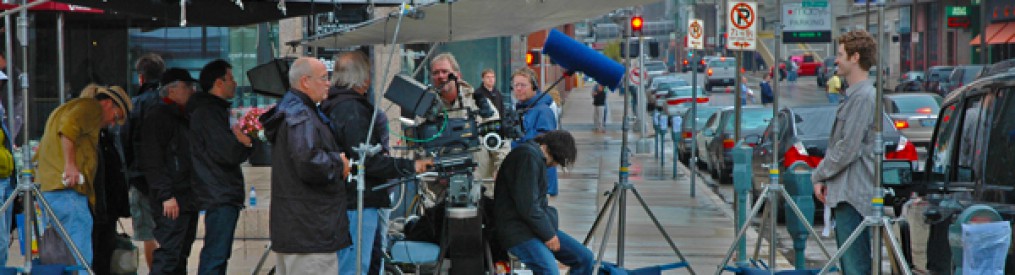
In the realm of video production, one of the most powerful tools for conveying information and telling stories is the sit-down video interview. Whether you’re creating content for corporate communications, marketing, documentaries, or educational purposes, a well-structured interview can captivate your audience and deliver your message effectively. However, the success of a sit-down interview hinges on the questions you ask. Crafting compelling questions is both an art and a science, and in this comprehensive guide, we’ll delve into the strategies and techniques that experienced videographers at St. Louis Video Production Crews use to script engaging and informative interviews.
The Power of a Well-Scripted Interview
Before we dive into the nitty-gritty of crafting questions, let’s first understand why a well-scripted interview is essential for successful video production.
- Clarity of Message: An interview script ensures that the key messages you want to convey are covered. It helps you stay on track and deliver your intended content.
- Engagement: Well-thought-out questions can engage your interviewee, helping them open up and provide insightful responses. Engaged interviewees often provide more genuine and passionate answers.
- Storytelling: Interviews are a powerful way to tell a story. Scripting allows you to structure the interview in a way that builds a narrative, drawing the audience into the subject matter.
- Professionalism: Having a script demonstrates professionalism. It conveys that you’ve done your homework and are well-prepared, which can instill confidence in your interviewee.
Now, let’s get into the details of crafting compelling questions for your sit-down video interview.
Understanding Your Audience and Goals
The first step in scripting a successful interview is understanding your audience and your goals. Here are some questions to consider:
- Who is your target audience? Are you speaking to experts in the field, or is your content aimed at a general audience?
- What are your goals for this interview? Are you trying to educate, entertain, persuade, or inform?
- What message do you want to convey? Define the key points or takeaways you want your audience to remember.
- What emotions do you want to evoke? Consider the emotional impact you want your interview to have on your viewers.
- How long should the interview be? Determine the optimal duration for your content based on your audience’s preferences and attention span.
Once you have a clear understanding of your audience and goals, you can start crafting questions that align with your objectives.
Types of Questions
In a sit-down video interview, various types of questions can be used to elicit different types of responses. Here are some common question types and when to use them:
1. Open-Ended Questions
Open-ended questions are questions that cannot be answered with a simple “yes” or “no.” They encourage interviewees to provide detailed and thoughtful responses. These are great for storytelling and getting in-depth information.
Example: “Can you describe your journey from beginner to expert in this field?”
2. Closed Questions
Closed questions are those that can be answered with a brief response, often a “yes” or “no.” These are useful for obtaining specific facts or verifying information.
Example: “Did you receive formal training in this area?”
3. Probing Questions
Probing questions are follow-up questions that dig deeper into a specific topic or response. They are used to explore the interviewee’s thoughts and feelings in more detail.
Example: “Can you elaborate on the challenges you faced during that project?”
4. Hypothetical Questions
Hypothetical questions ask interviewees to consider a hypothetical situation and how they would respond. These can be used to explore potential scenarios or gauge problem-solving skills.
Example: “What would you do differently if you were faced with a similar situation today?”




5. Reflective Questions
Reflective questions encourage interviewees to reflect on their experiences or opinions. These can lead to introspective and personal responses.
Example: “Looking back, what has been the most significant influence on your career?”
6. Leading Questions
Leading questions are carefully phrased questions that guide the interviewee toward a specific response. They should be used sparingly and ethically, as they can be perceived as manipulative.
Example: “Wouldn’t you agree that your innovative approach was a game-changer in your industry?”
Structuring Your Interview
Now that you have an understanding of the types of questions, it’s time to structure your interview. Here’s a step-by-step guide:
1. Introduction
Start with a warm and welcoming introduction. Briefly explain the purpose of the interview and what the audience can expect. This sets the tone and helps put the interviewee at ease.
2. Icebreaker Questions
Begin with some light and easy-to-answer questions. These can help the interviewee relax and get comfortable in front of the camera. Icebreakers can also be used to build rapport.
3. Main Questions
These are the core questions that cover your key messages and objectives. Use a mix of question types to keep the interview engaging. Ensure that your questions flow logically and build a narrative.
4. Follow-Up Questions
Throughout the interview, be prepared to ask follow-up questions based on the interviewee’s responses. This demonstrates active listening and can lead to more profound insights.
5. Closing Questions
As you wrap up the interview, ask closing questions that summarize key points or allow the interviewee to provide any final thoughts or advice.
6. Thank You and Closure
End the interview by thanking the interviewee for their time and participation. Let them know what the next steps will be, whether it’s editing, promotion, or sharing the final product.
Crafting Effective Questions
Now that you have a structure in place, let’s focus on the art of crafting effective questions:
1. Be Clear and Concise
Questions should be clear and concise, avoiding ambiguity. Use straightforward language that is easy to understand.
2. Use Neutral Language
Avoid leading questions that suggest a particular answer. Maintain objectivity to ensure the interviewee feels comfortable providing their honest opinion.
3. Focus on One Point at a Time
Each question should address a single point or topic. This makes it easier for the interviewee to provide a coherent response.
4. Start with “W” Words
Questions that start with words like “who,” “what,” “when,” “where,” and “why” are often effective in eliciting detailed responses.
5. Be Sensitive
If your interview touches on sensitive or emotional topics, approach them with care and empathy. Ensure the interviewee feels safe sharing their experiences.
6. Avoid Jargon
Keep in mind your audience’s level of expertise and avoid industry-specific jargon that might alienate viewers.
7. Practice Active Listening
During the interview, actively listen to the interviewee’s responses. This can lead to insightful follow-up questions and a more engaging conversation.
Conducting the Interview
A well-crafted script is only part of the equation; conducting the interview itself requires skill and finesse. Here are some tips for a successful interview:
1. Create a Comfortable Environment
Ensure the interviewee is comfortable and relaxed. This includes factors like lighting, temperature, and seating arrangements.
2. Build Rapport
Establish a connection with the interviewee before diving into the core questions. Engage in small talk or share a few personal anecdotes to create a sense of trust.
3. Maintain Eye Contact
Maintaining eye contact, even in a video interview, conveys attentiveness and respect.
4. Listen Actively
Listen carefully to the interviewee’s responses. Don’t rush to the next question; instead, allow for pauses that may lead to deeper insights.
5. Stay Flexible
While you have a script, be prepared to deviate from it if the conversation takes an interesting or unexpected turn. Spontaneous moments can yield compelling content.
6. Manage Time Wisely
Keep an eye on the clock to ensure you cover all planned questions within the allotted time.
7. Show Appreciation
Express gratitude to the interviewee for their time and contributions. A positive experience can lead to future collaborations.
Editing and Post-Production
Once the interview is complete, the work isn’t over. Editing and post-production play a crucial role in shaping the final video. Here are some considerations:
1. Storytelling Flow
Arrange the interview segments to create a coherent and engaging narrative. Use transitions and B-roll footage to enhance storytelling.
2. Remove Distractions
Eliminate background noise, awkward pauses, or technical glitches during the editing process.
3. Captions and Graphics
Consider adding captions, graphics, or visual aids to complement the interview and enhance viewer understanding.
4. Music and Sound
Choose appropriate music and ensure optimal sound quality throughout the video.
5. Review with Objectivity
Review the edited interview with an objective eye to ensure it aligns with your initial goals and key messages.
St. Louis Video Production Crews: Your Video Production Partner
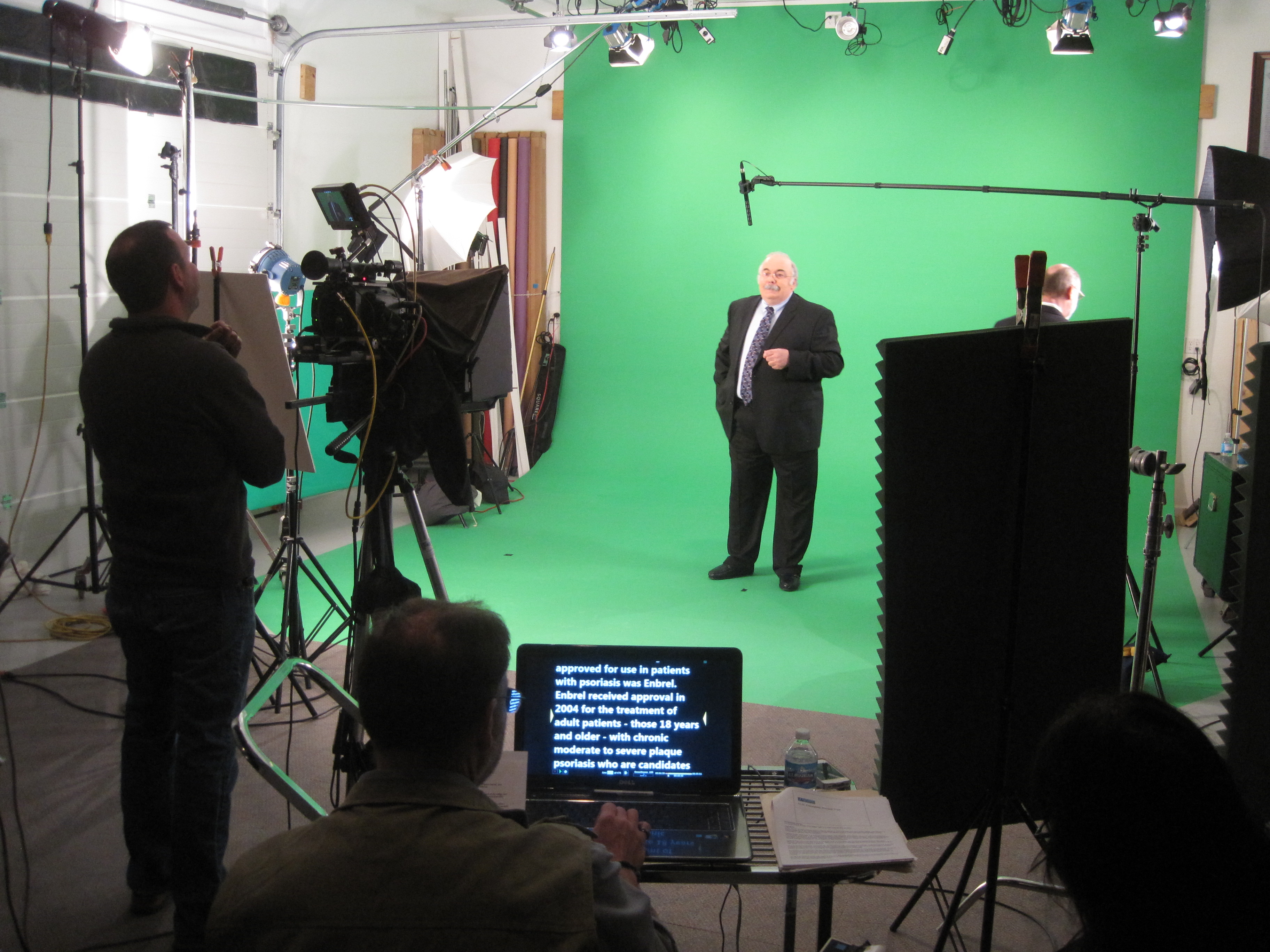
At St. Louis Video Production Crews, we understand the intricacies of crafting compelling questions and conducting engaging sit-down video interviews. Our experienced team of videographers is well-versed in all aspects of location and studio production, ensuring that your content is professionally produced and tailored to your audience.
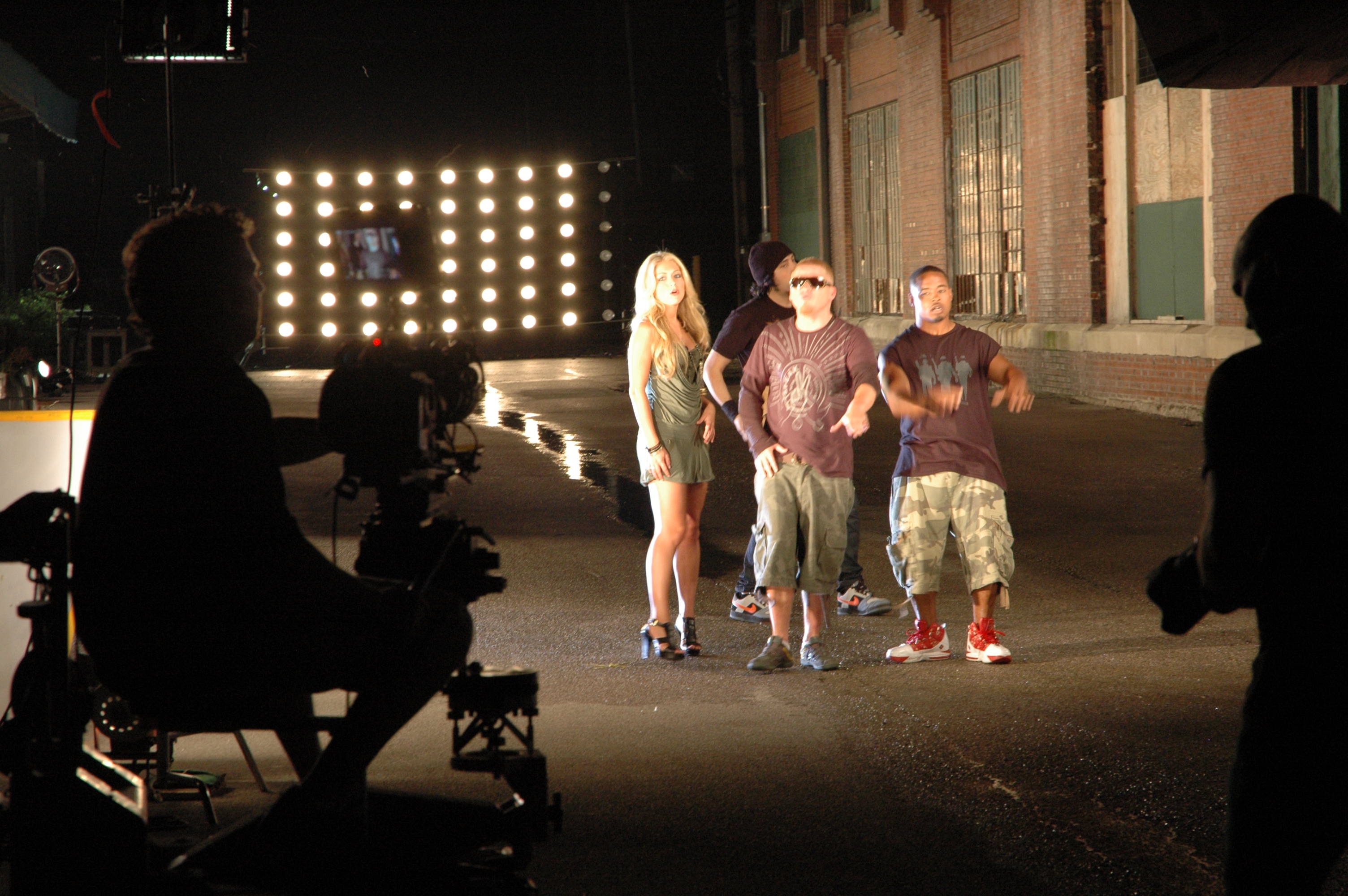
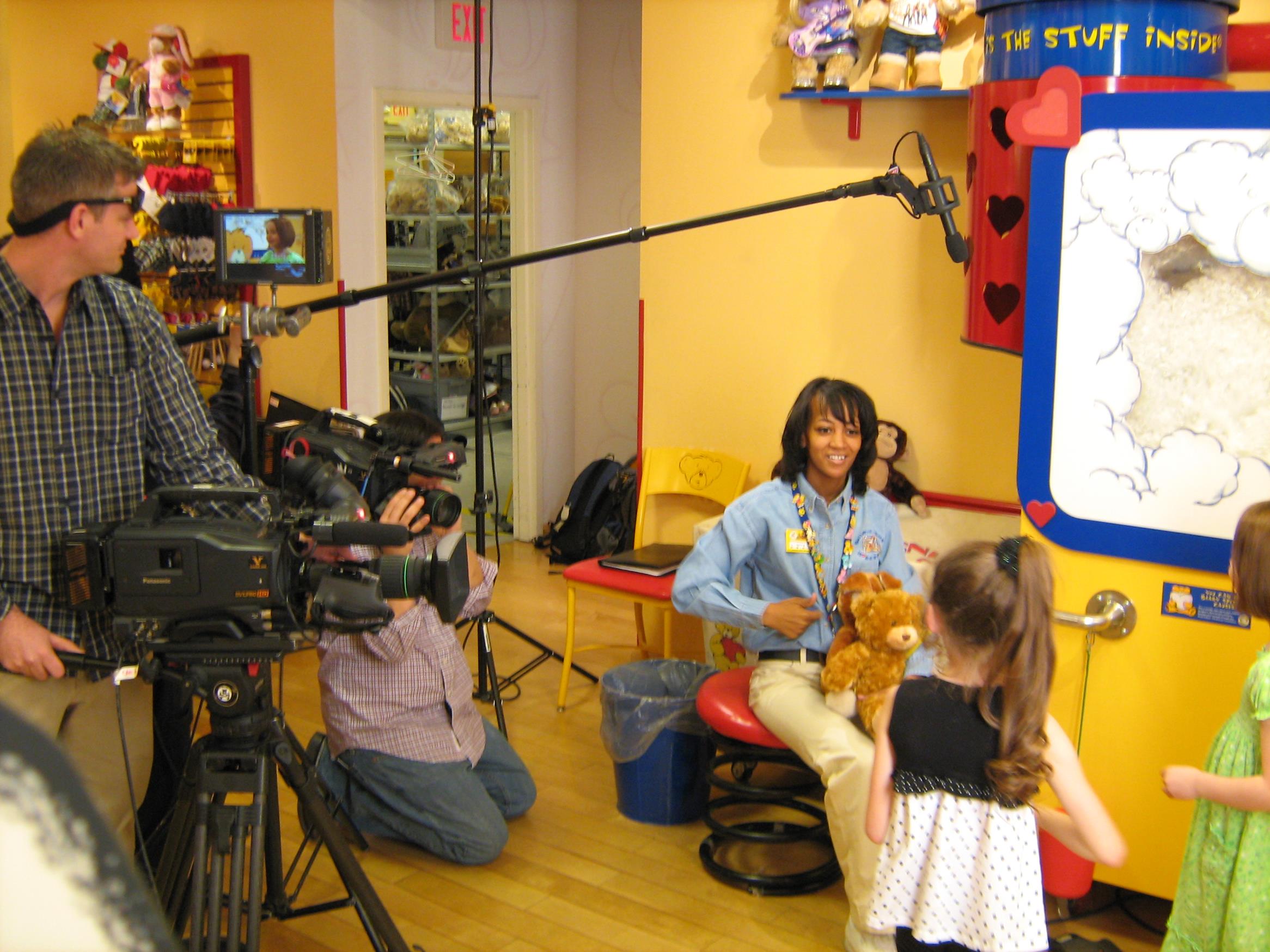
As a full-service video company based in St. Louis, we have worked with businesses of all sizes, providing a wide range of equipment options to meet your specific needs. Whether you require studio production for a polished and controlled environment or location production for a more authentic feel, we have you covered.
Our expertise extends beyond video production; we are experts at simultaneously shooting video and photography for your next project. This dual capability allows you to maximize the visual assets for your internal and external communications.
In conclusion, the art of crafting compelling questions for sit-down video interviews is a skill that can elevate your video production efforts to new heights. Understanding your audience and goals, employing various question types, and conducting interviews with finesse are key elements in creating engaging and informative content. With St. Louis Video Production Crews as your video production partner, you can be confident in the quality and impact of your video interviews.
If you’re ready to take your video production to the next level and leverage the expertise of a seasoned team, contact St. Louis Video Production Crews today. Let us help you communicate your message effectively and captivate your audience through the power of sit-down video interviews.
Contact us now to discuss your video scripting and production needs. Together, we can create compelling content that resonates with your audience and achieves your communication goals.
 St Louis Video Production Crews