St. Louis Video Production: What Equipment Do You Really Need?

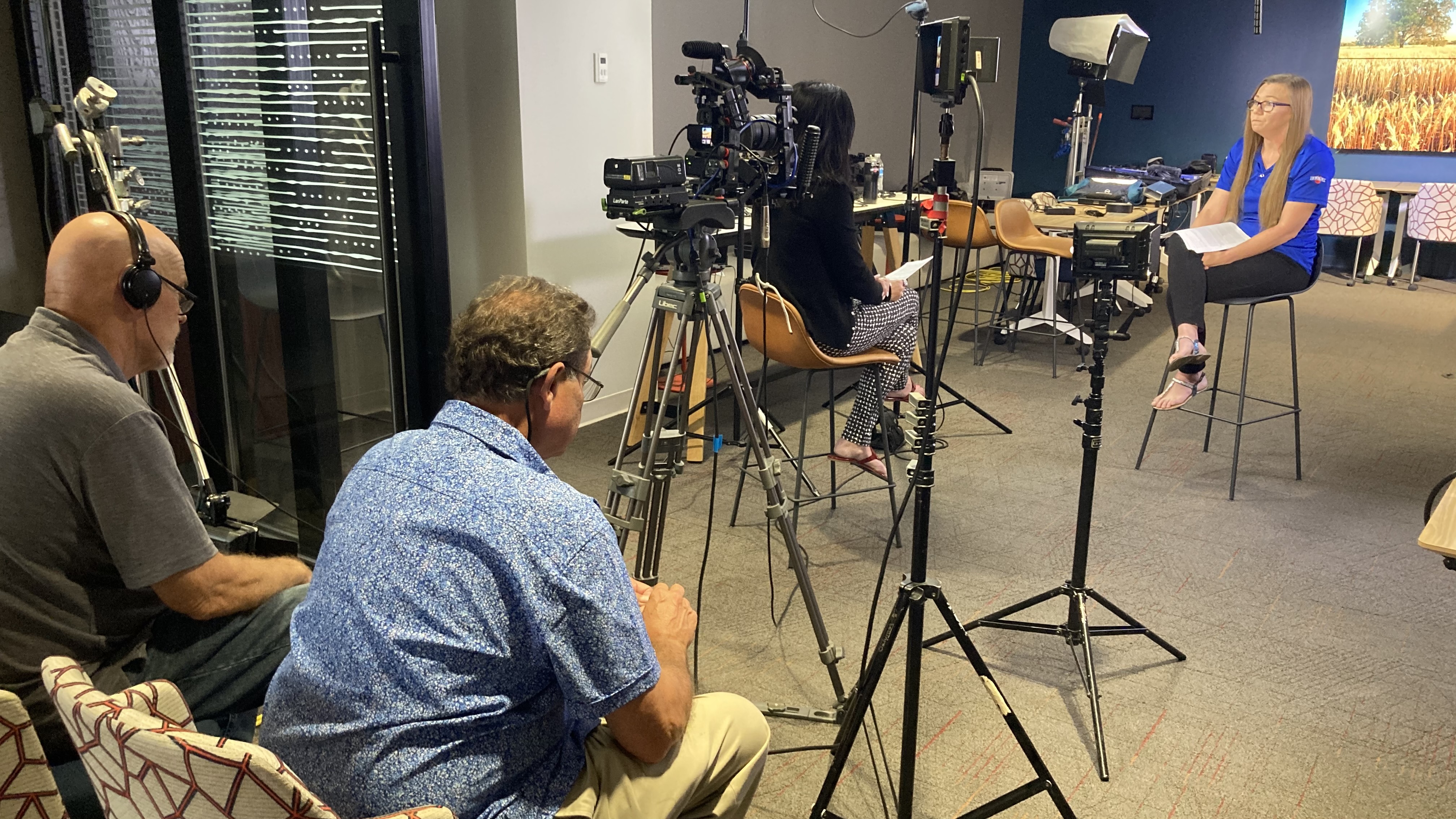
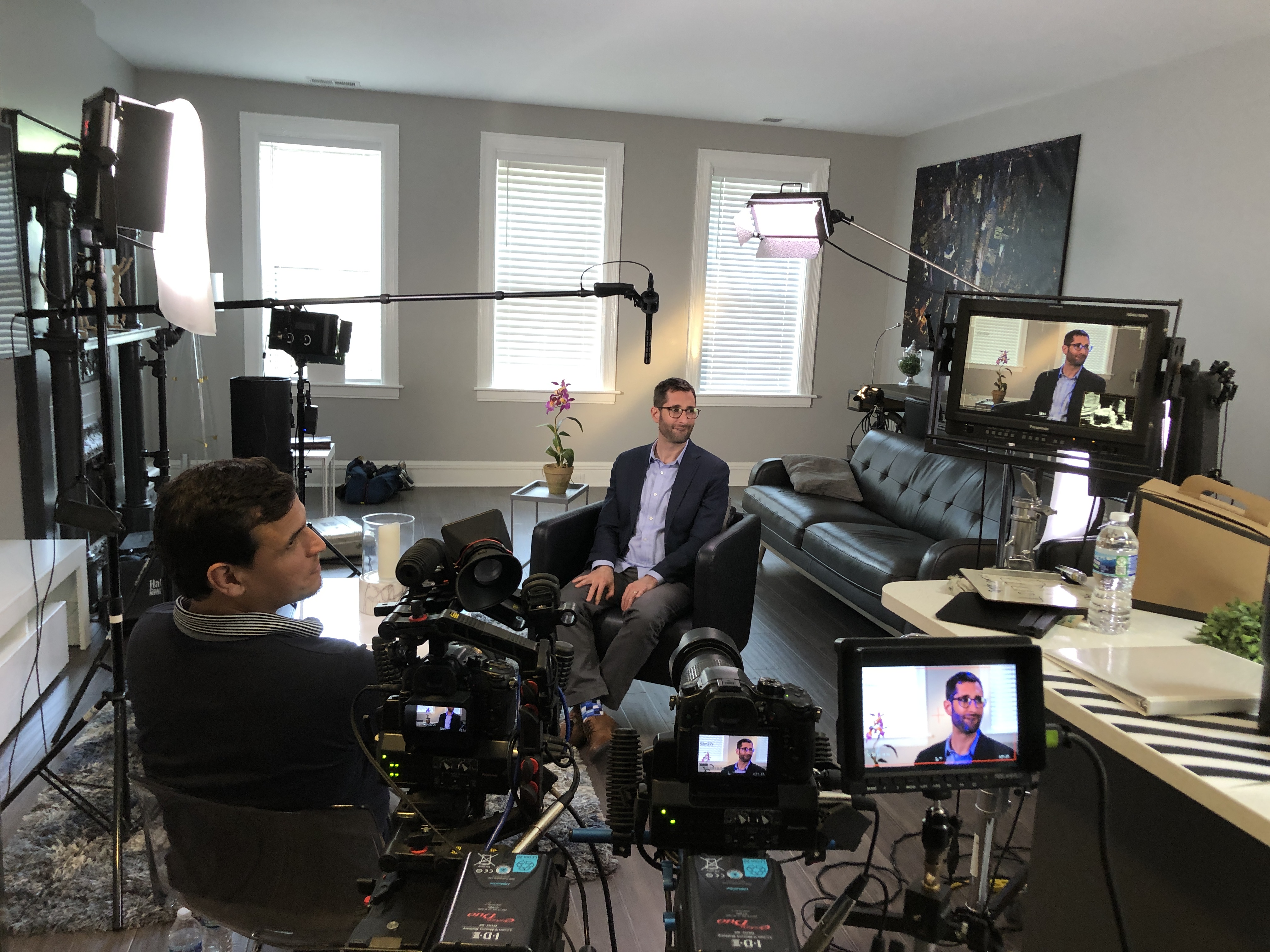
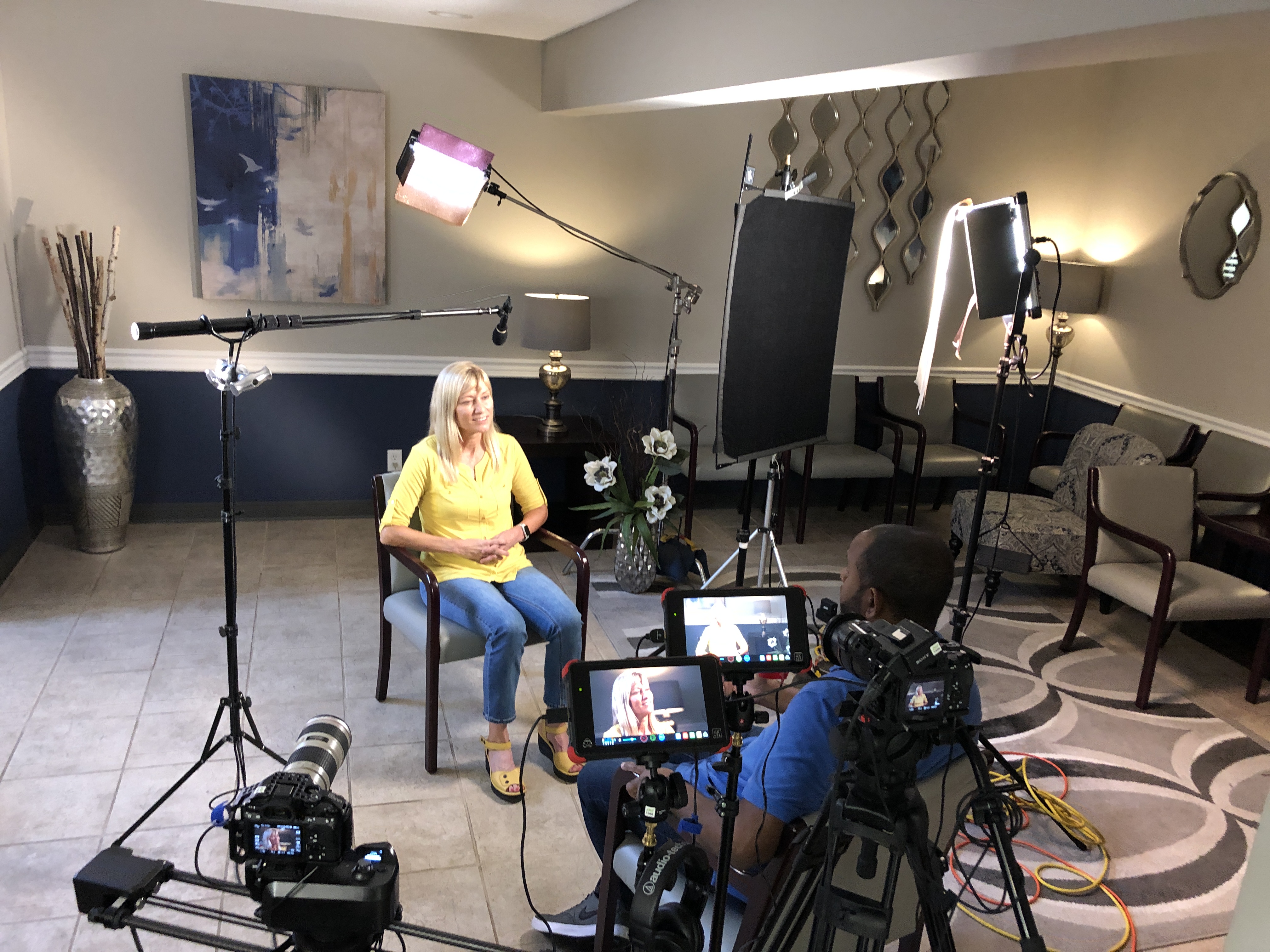
When planning a professional video production, one of the most important factors to consider is the equipment. Whether you’re shooting a corporate interview, a product showcase, or an event highlight reel, the right tools can make or break your final product. But with so many options available, how do you determine what equipment is necessary for a high-quality production?

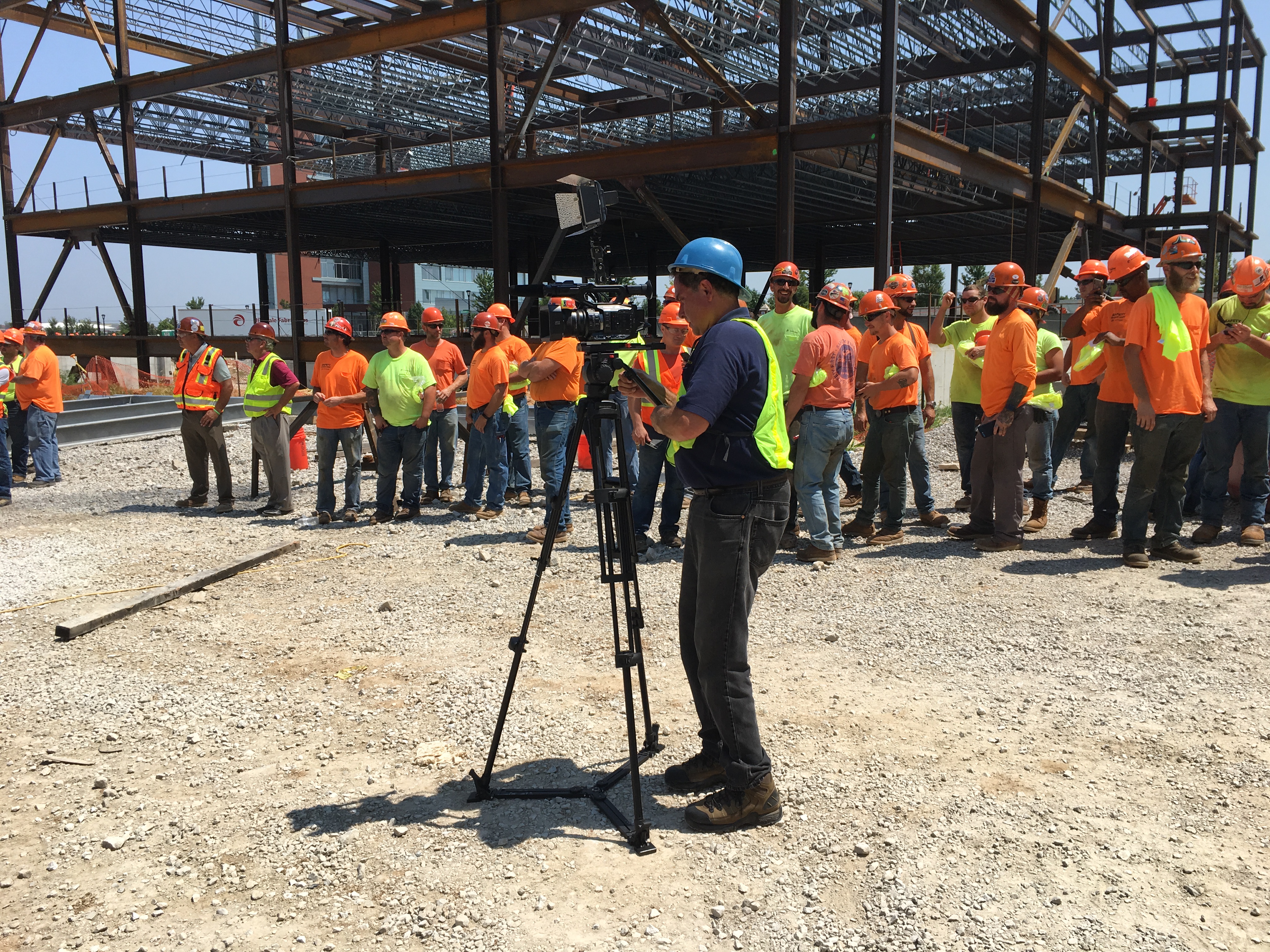
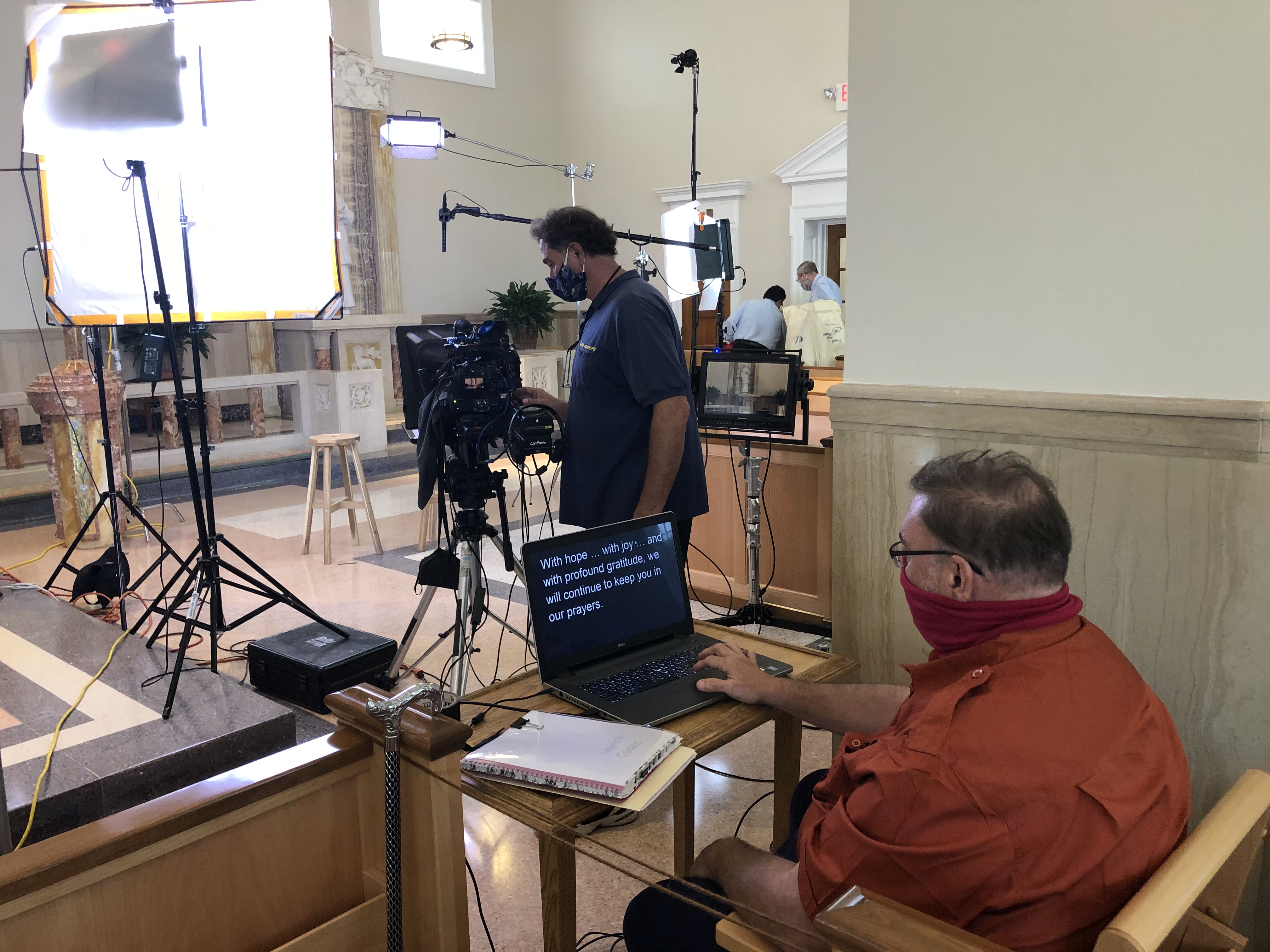
Tripods & Fluid Head Mounts – Essential for steady shots.

Essential Equipment for Professional Video Production

1. Cameras: Choosing the Right One

The type of camera you need depends on your production goals.

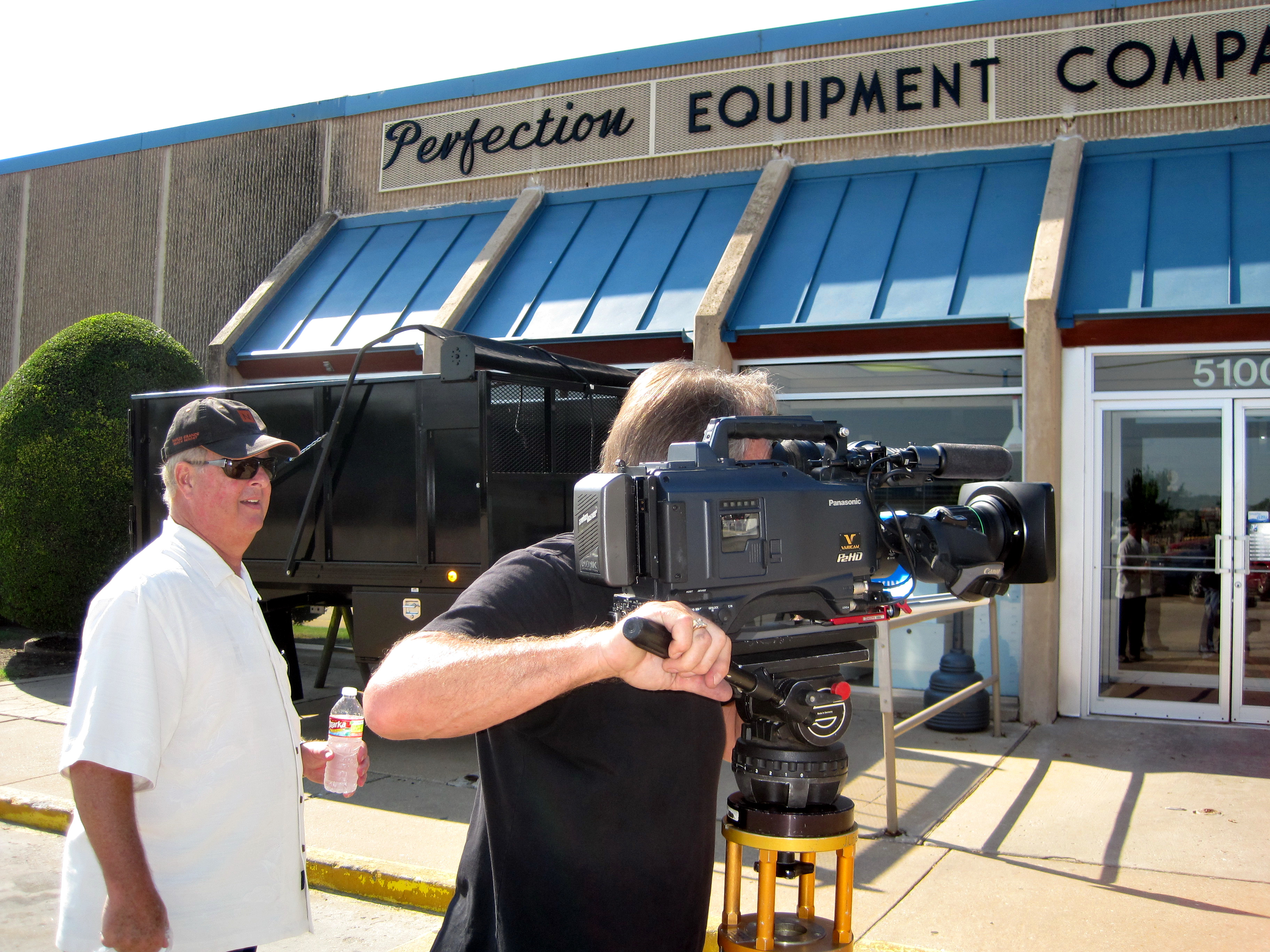
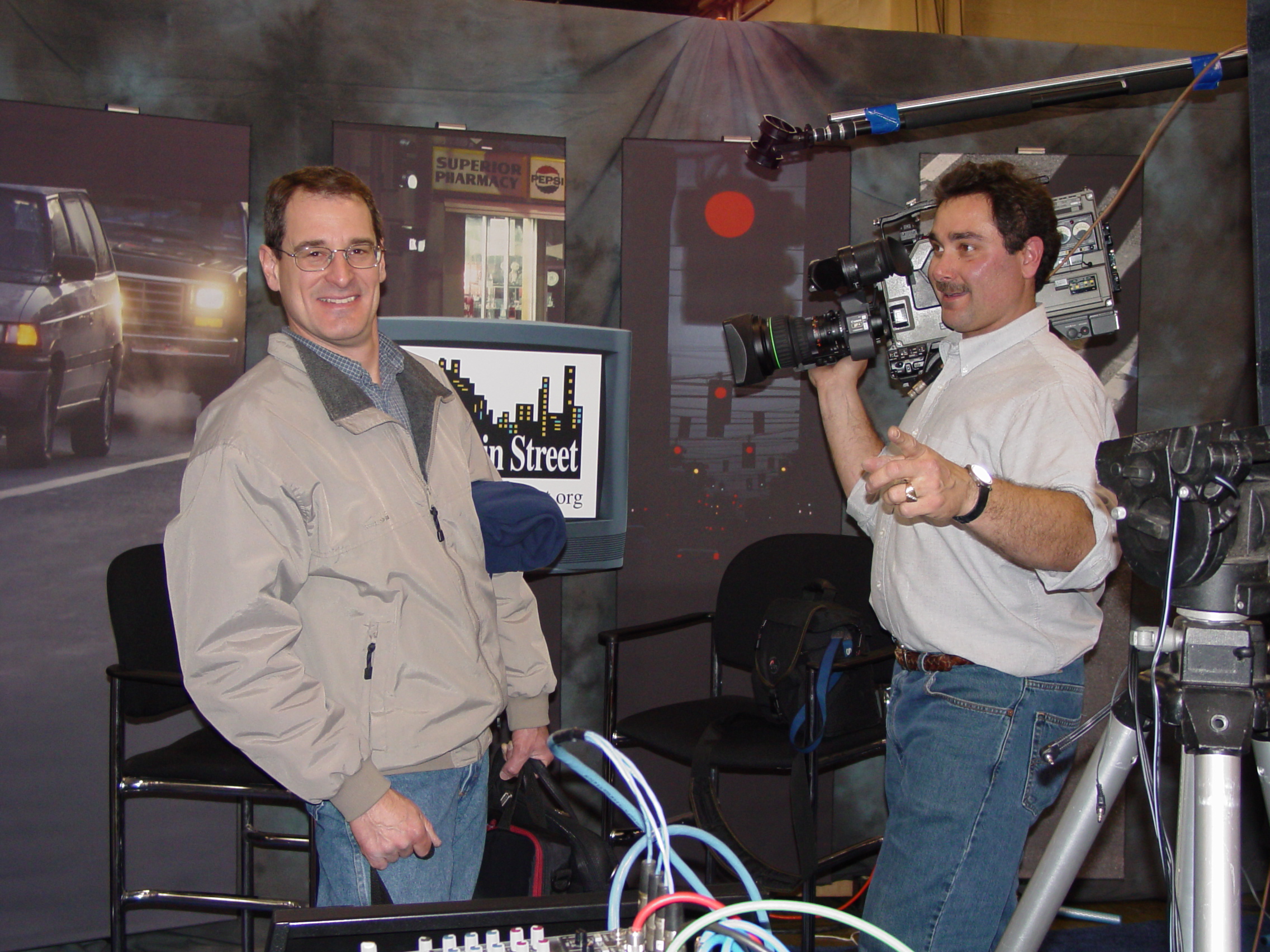
  • Cinema Cameras – Ideal for high-end commercial work, these cameras offer superior image quality, dynamic range, and color depth.
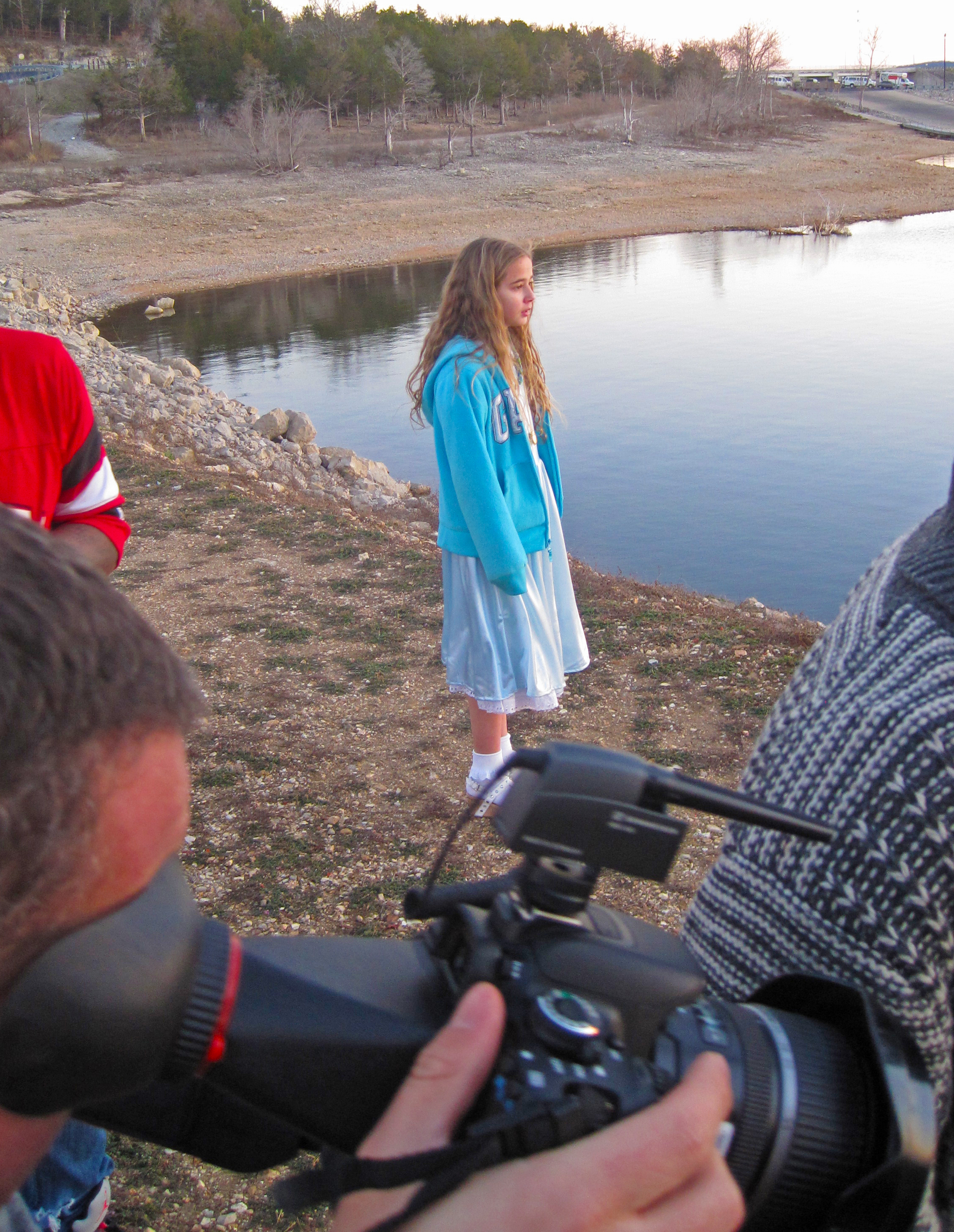
  • Mirrorless & DSLR Cameras – Great for flexibility and mobility, these cameras are used for corporate interviews and online content.
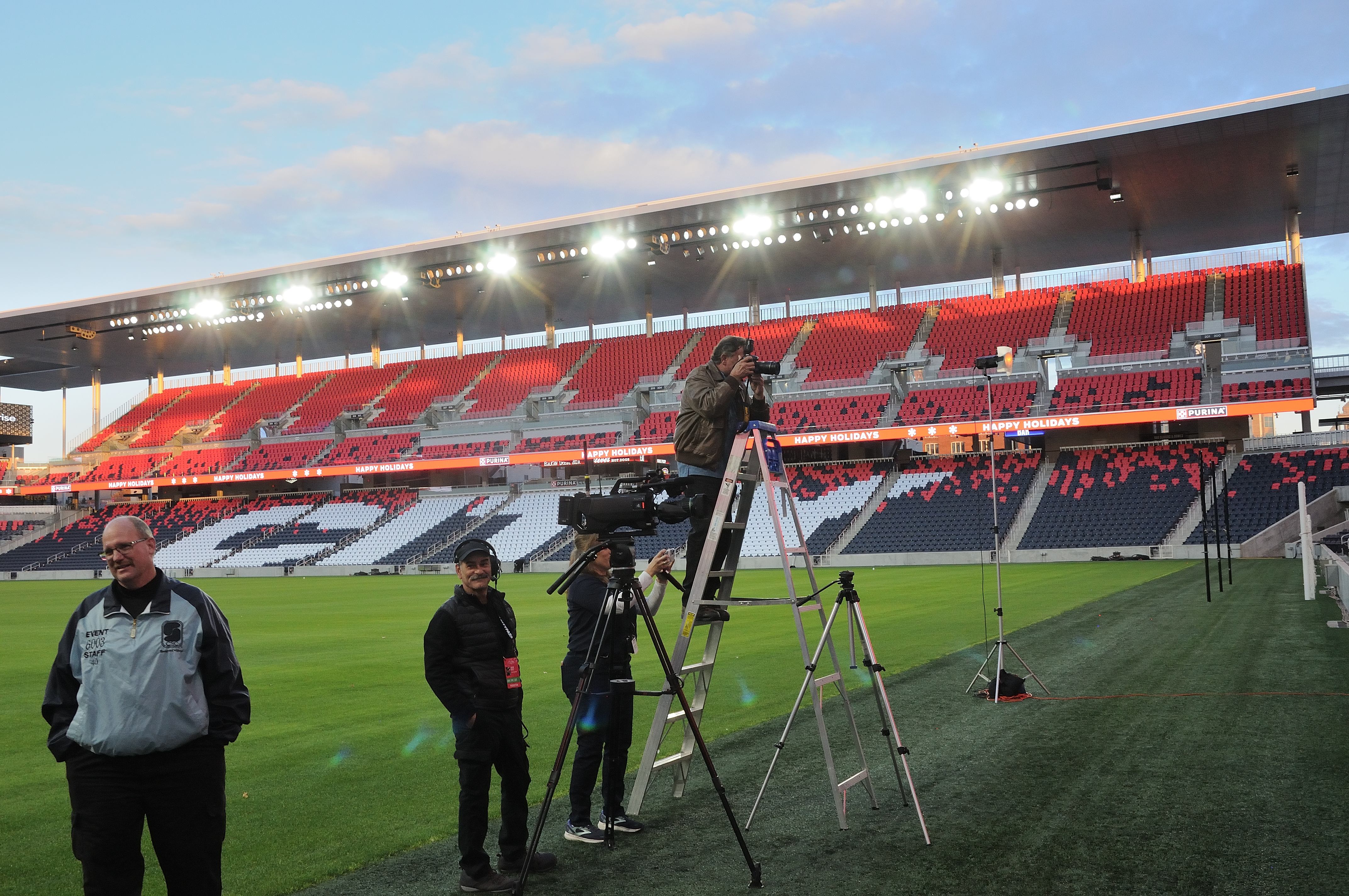
  • Action & 360-Degree Cameras – Used for immersive video content, often seen in sports and experiential marketing.

At St. Louis Video Production Crew, we use industry-leading cameras, ensuring crisp visuals that meet your marketing and branding needs.

2. Professional Lenses: Shaping the Look

Lenses significantly affect the storytelling aspect of your video. Some essential lenses include:

  • Prime Lenses – Offer exceptional sharpness and low-light performance, ideal for interviews and product close-ups.
  • Zoom Lenses – Provide versatility, making them perfect for event coverage and dynamic shots.
  • Wide-Angle Lenses – Great for capturing spacious environments and sweeping landscapes.

Our expert videographers select the best lens for your project to enhance visual impact.

3. Lighting: Crafting the Perfect Atmosphere

Lighting sets the mood and ensures proper exposure. Essential lighting equipment includes:

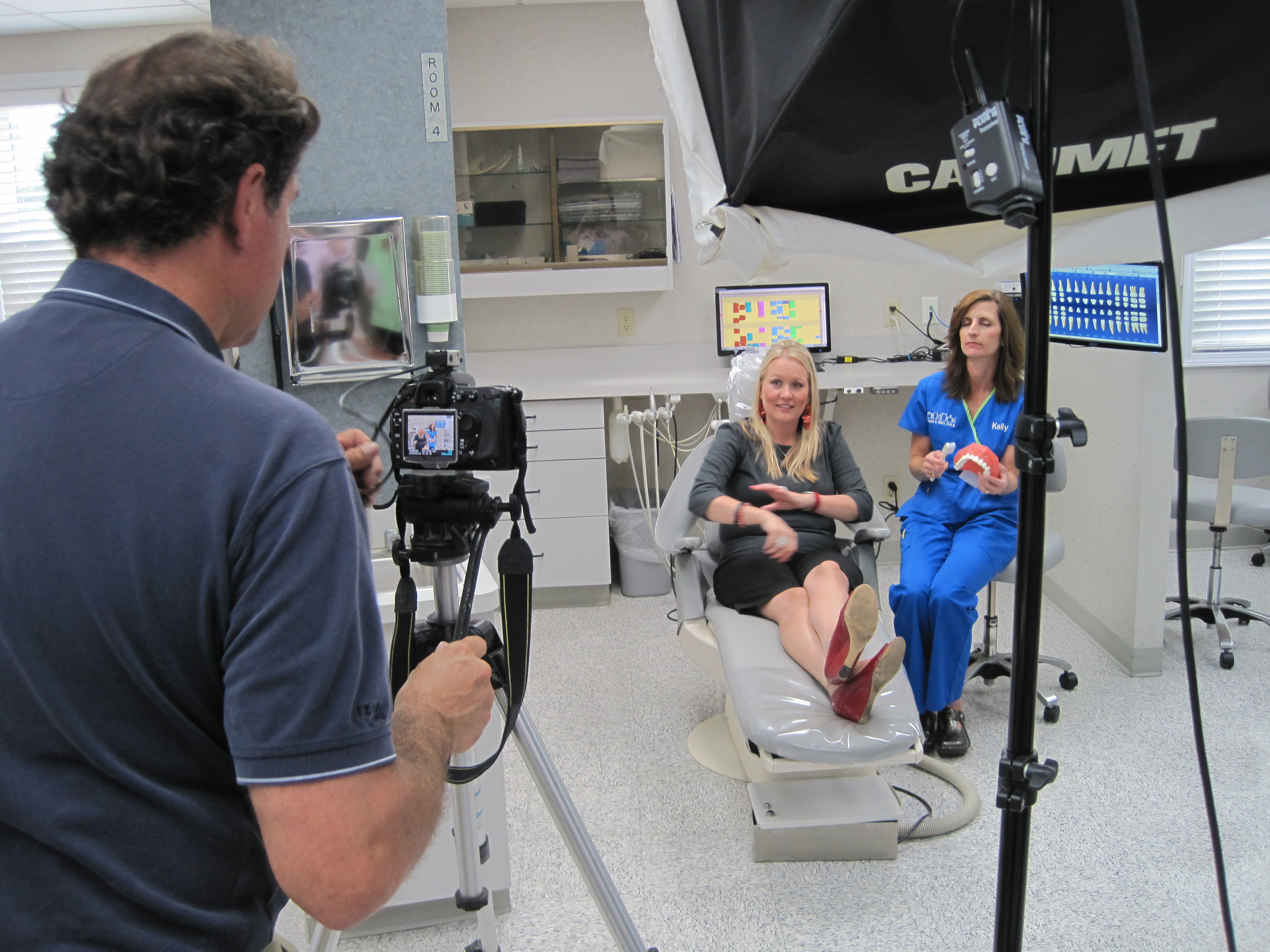
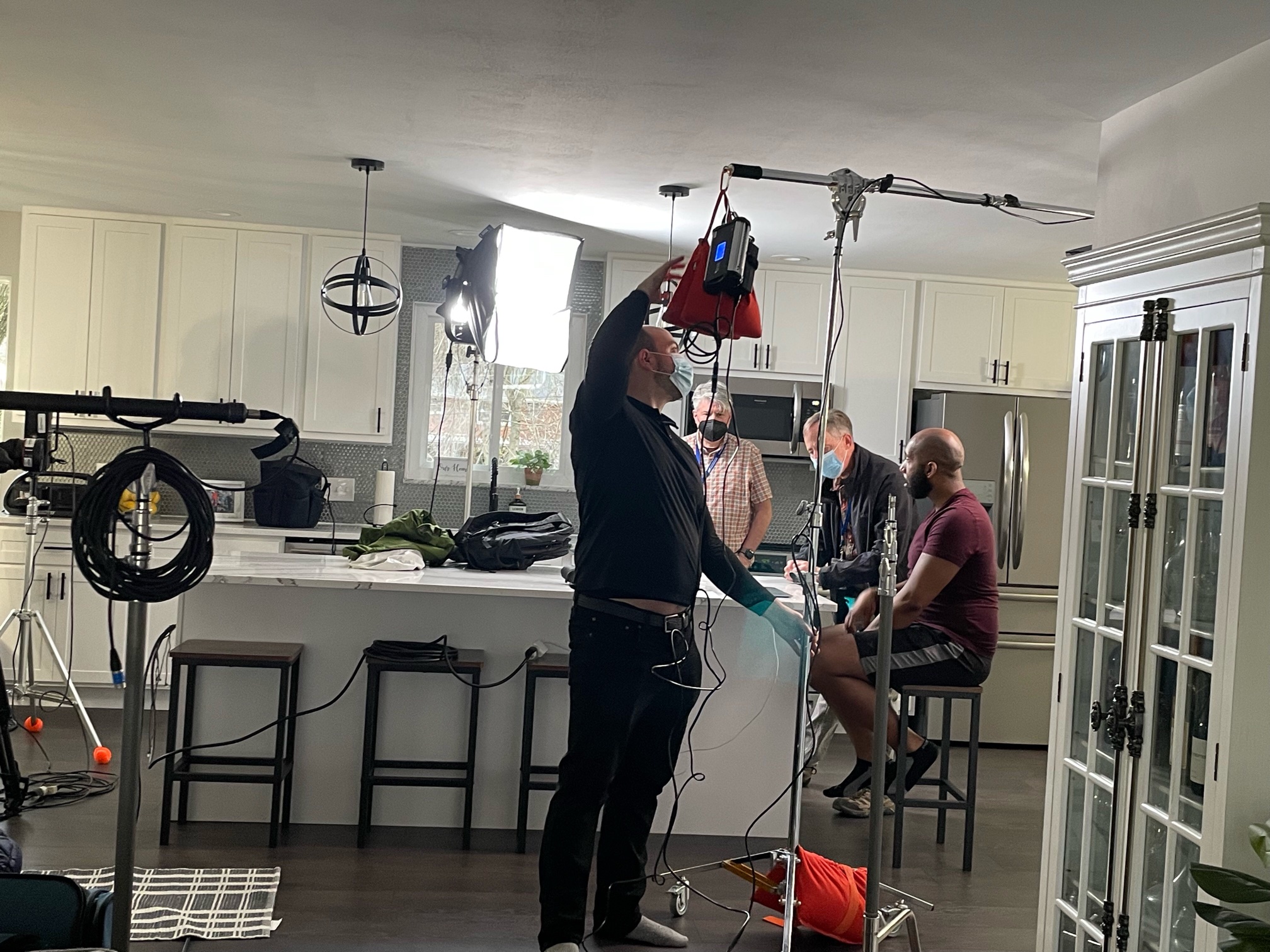
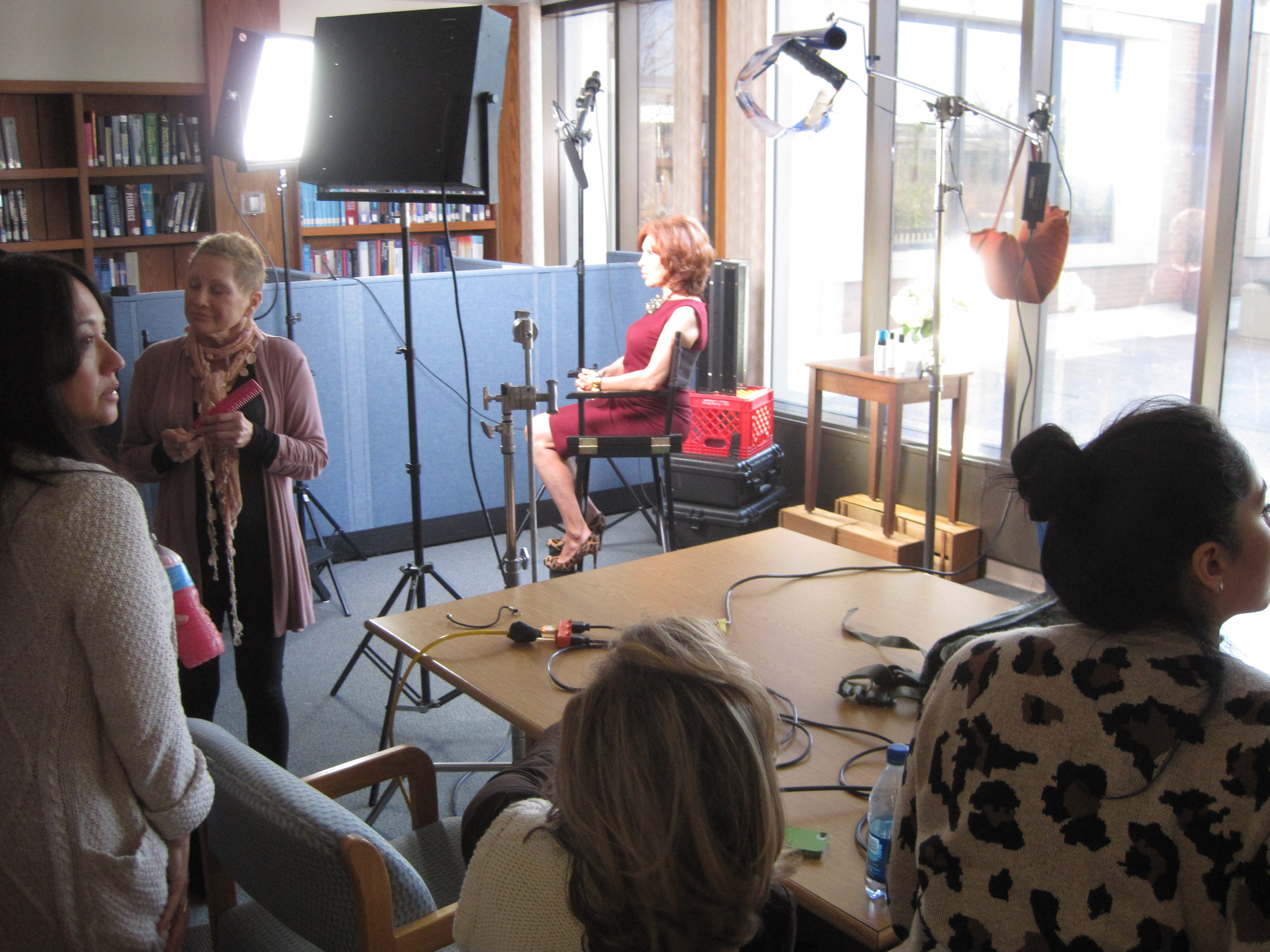
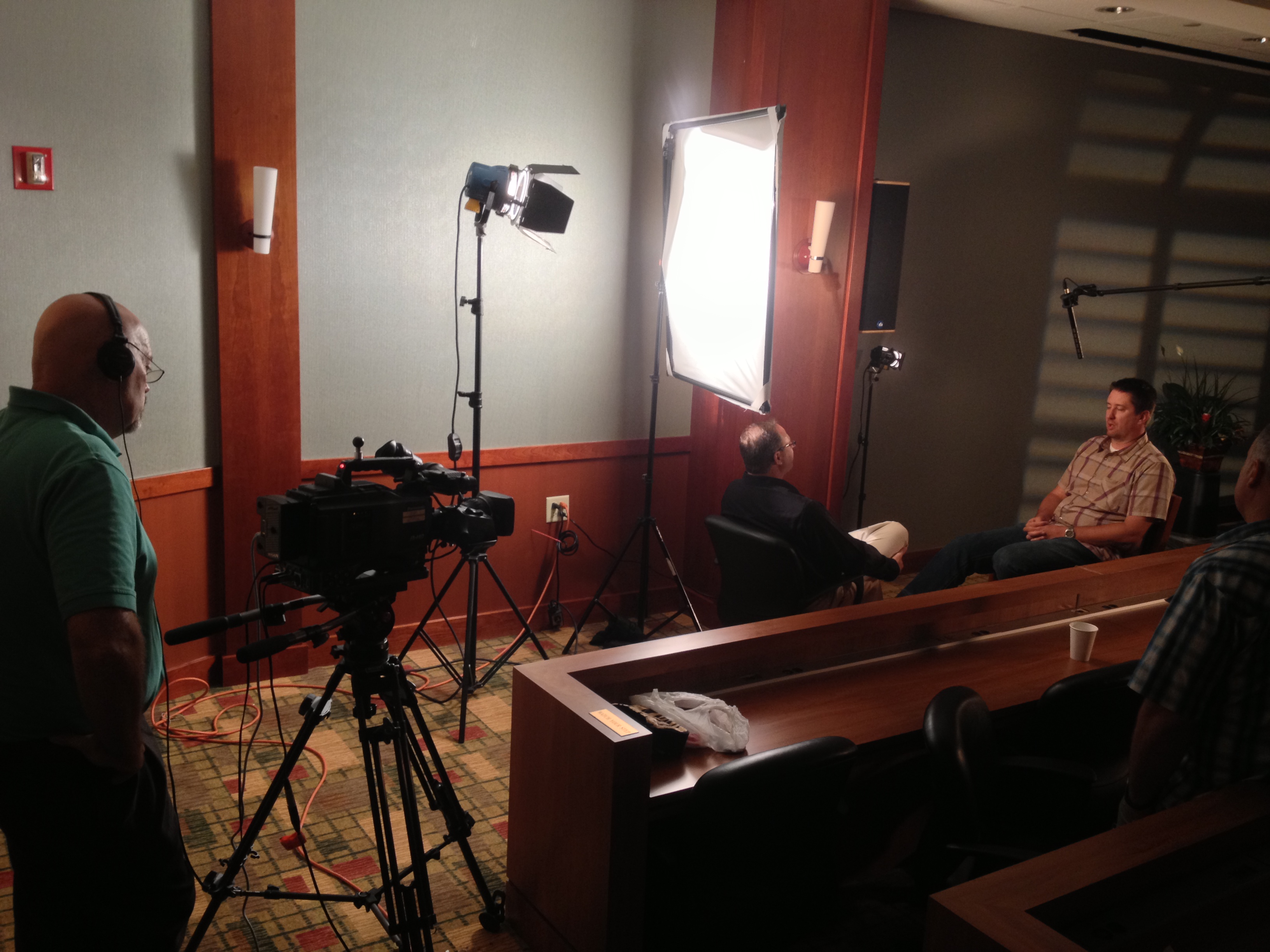
  • Softbox & LED Panels – Used for controlled studio lighting and interviews.
  • Ring Lights – Ideal for beauty and product videos.
  • Gobos & Colored Gels – Used for creative and cinematic effects.

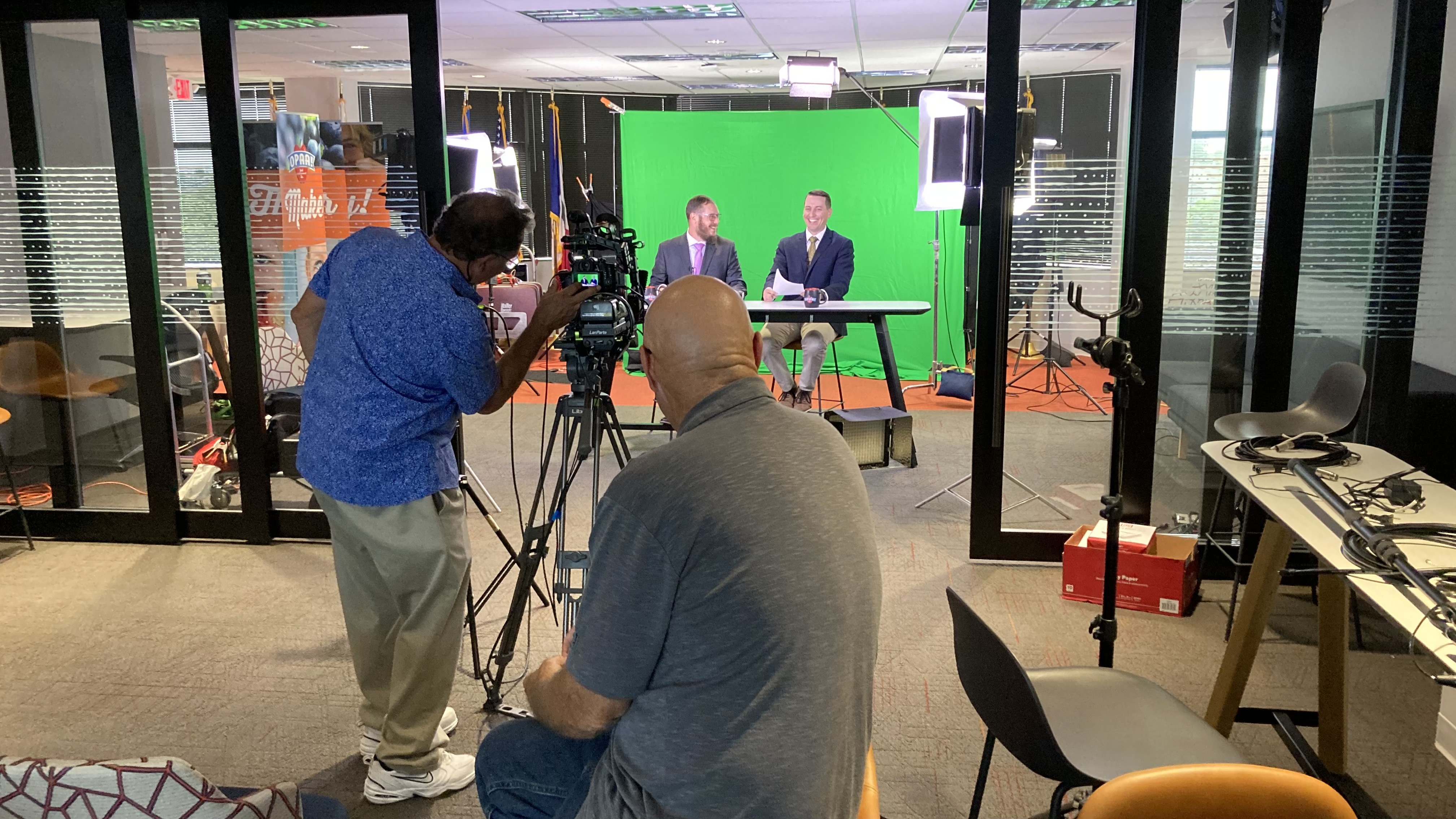
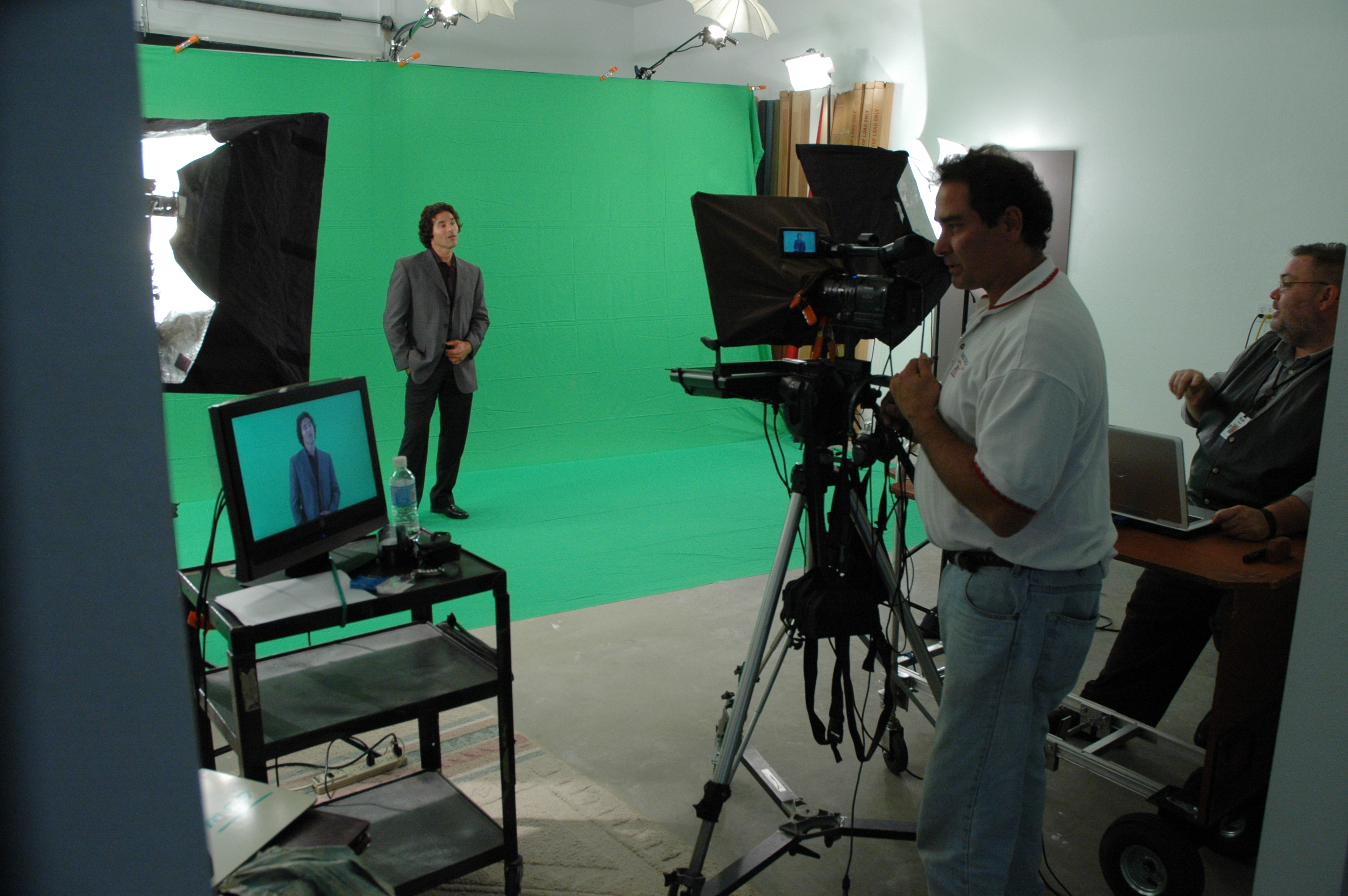
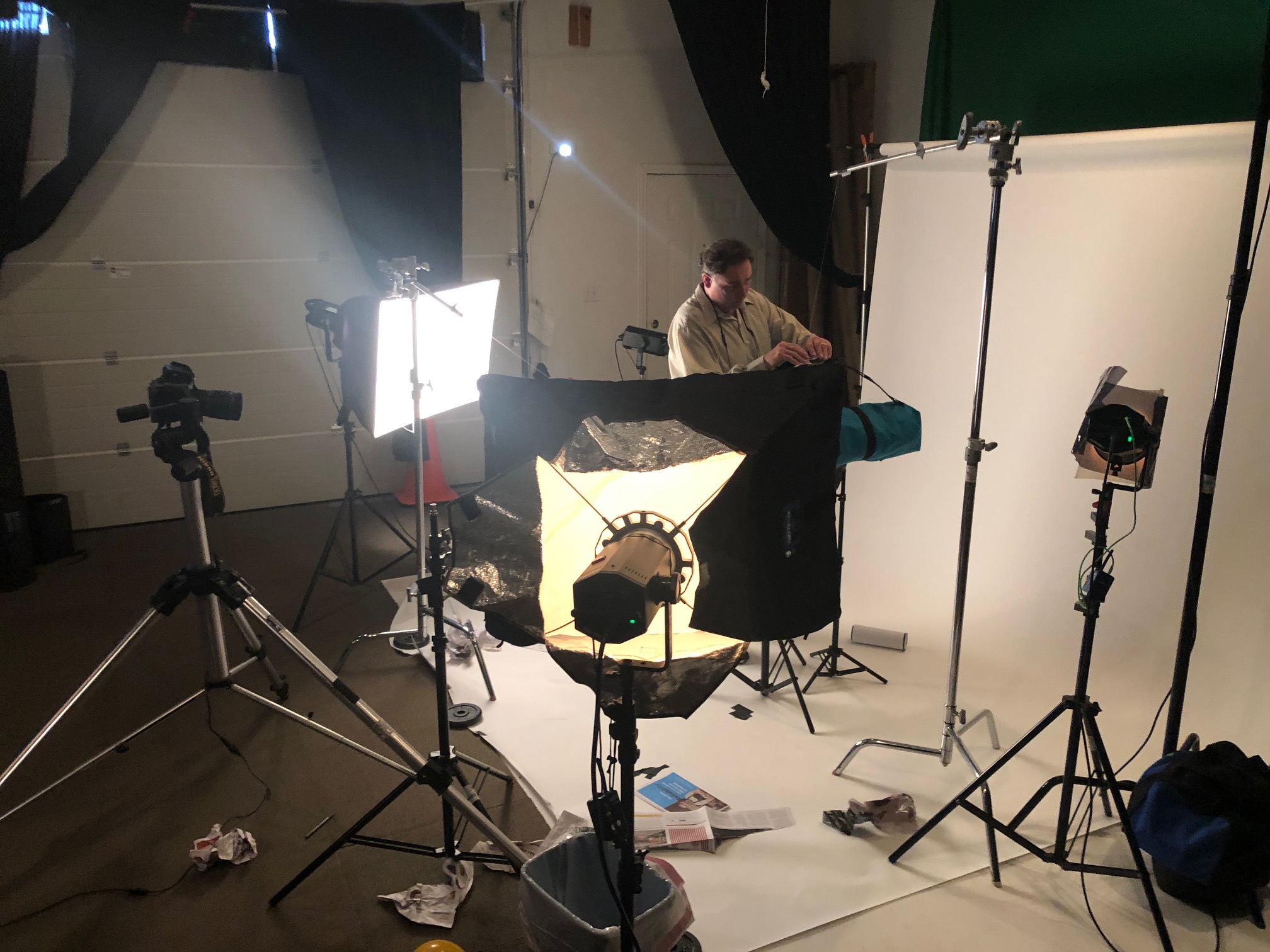
At our private studio, St. Louis Video Production Crew has a fully equipped lighting setup to match any production requirement.

4. Professional Audio: Clear Sound Matters

High-quality visuals need to be complemented by superior audio. Key audio gear includes:

  • Lavalier Microphones – Perfect for interviews and presentations.
  • Shotgun Microphones – Used for capturing directional audio in dynamic settings.
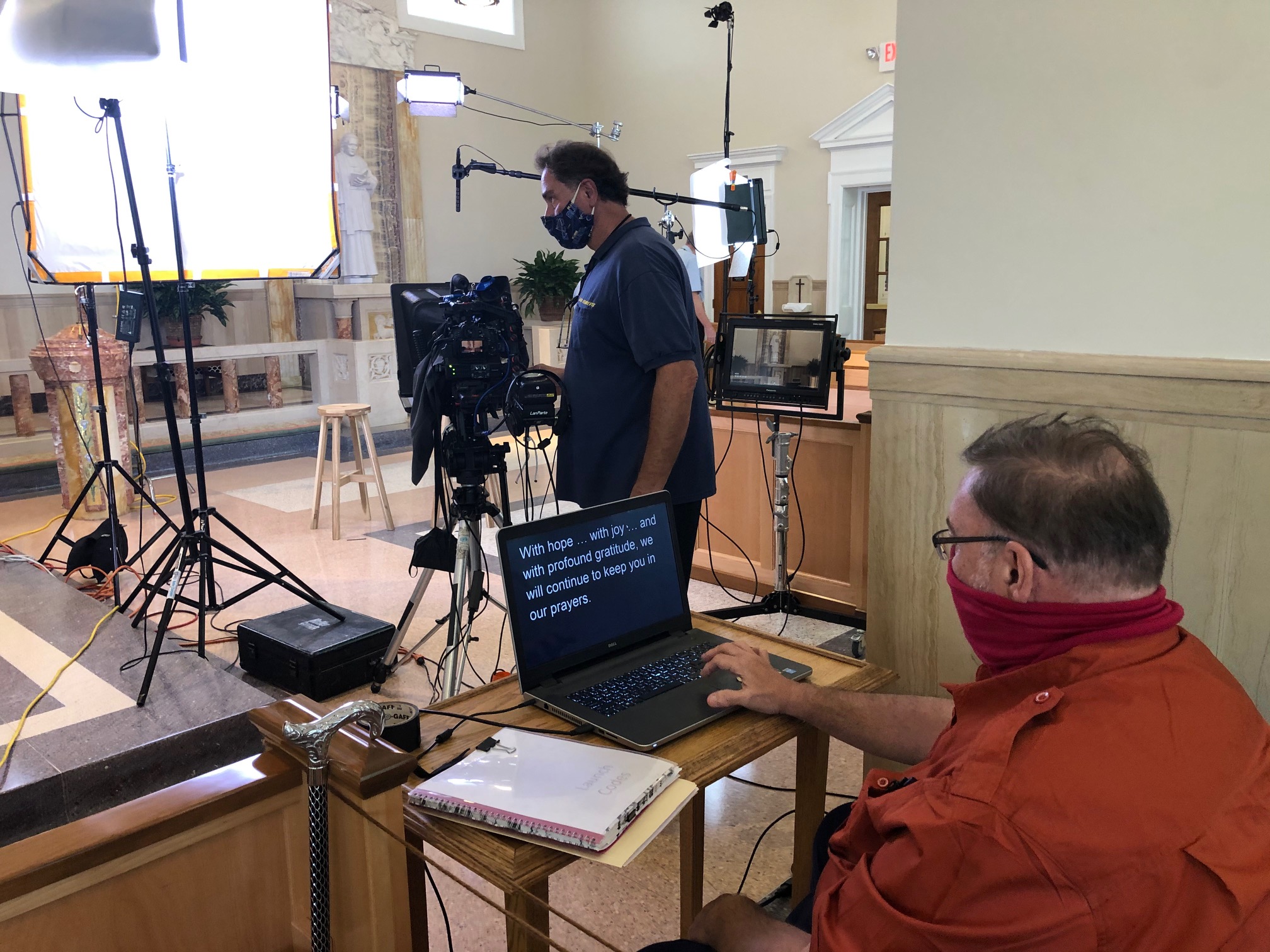
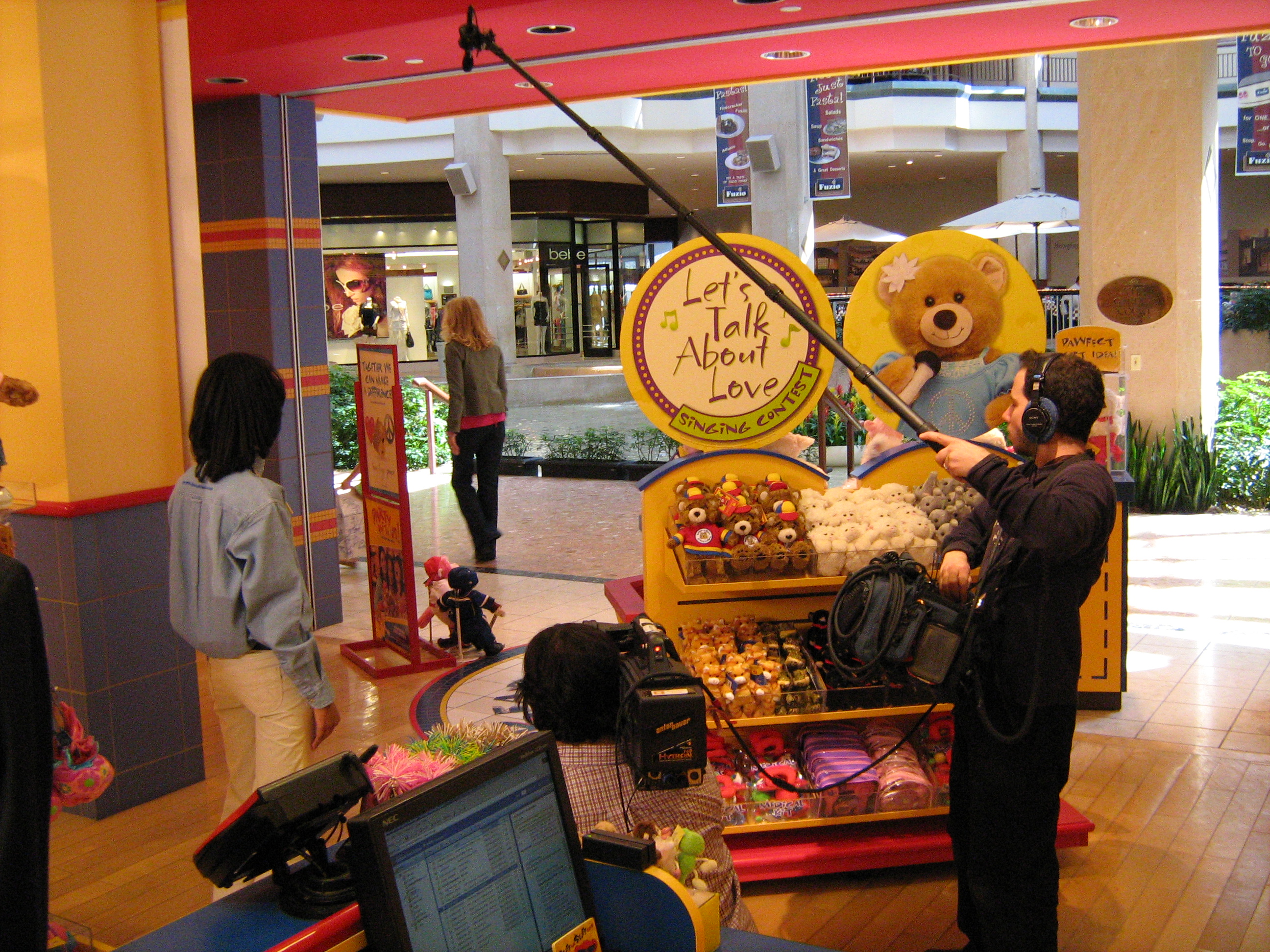
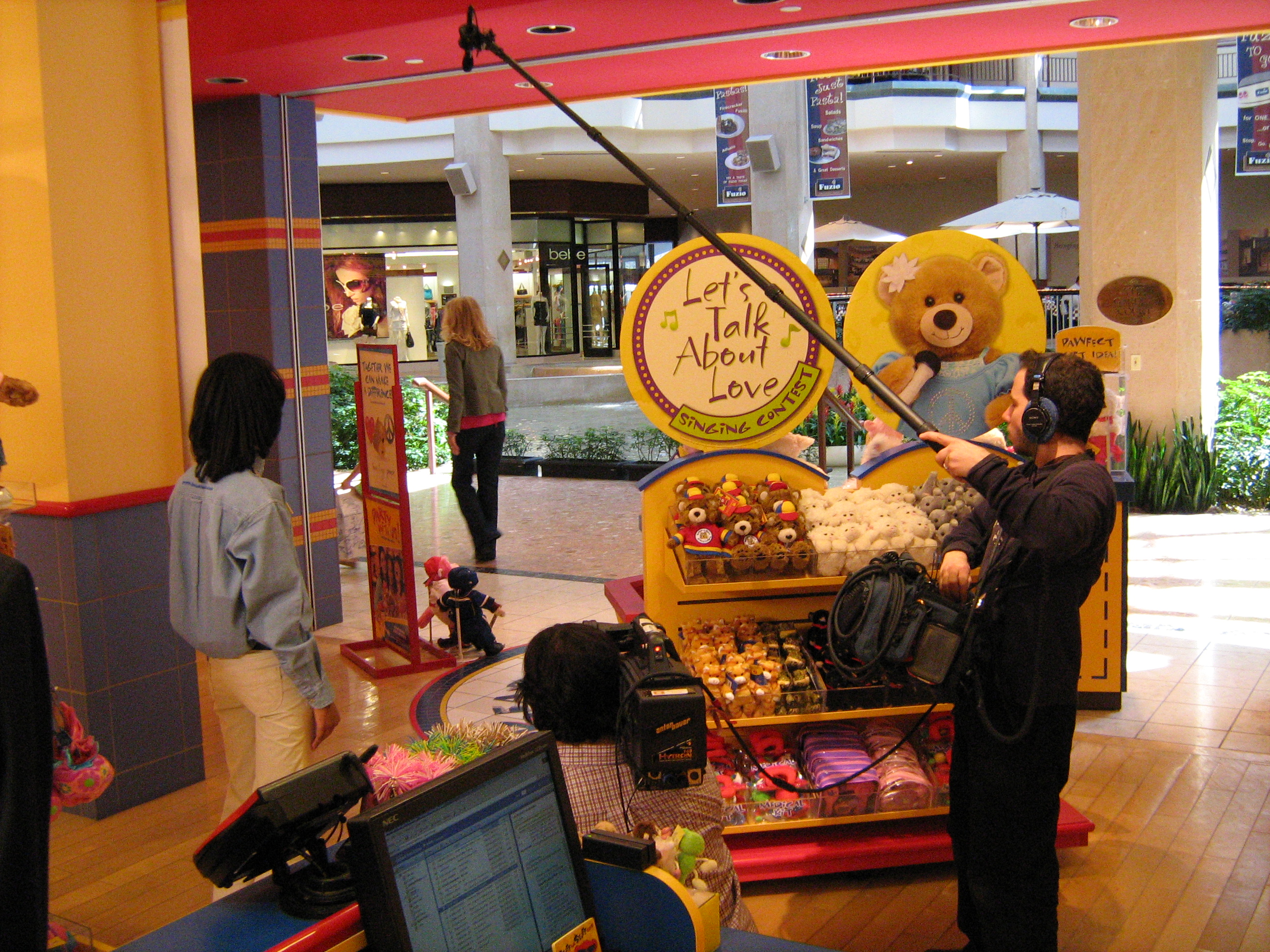
  • Boom Poles & Wireless Systems – Allow for flexible audio recording on set.

Our professional sound operators ensure pristine audio capture, eliminating background noise and enhancing vocal clarity.

5. Stabilization: Achieving Smooth Shots

Shaky footage is a major red flag in professional production. Key stabilization tools include:

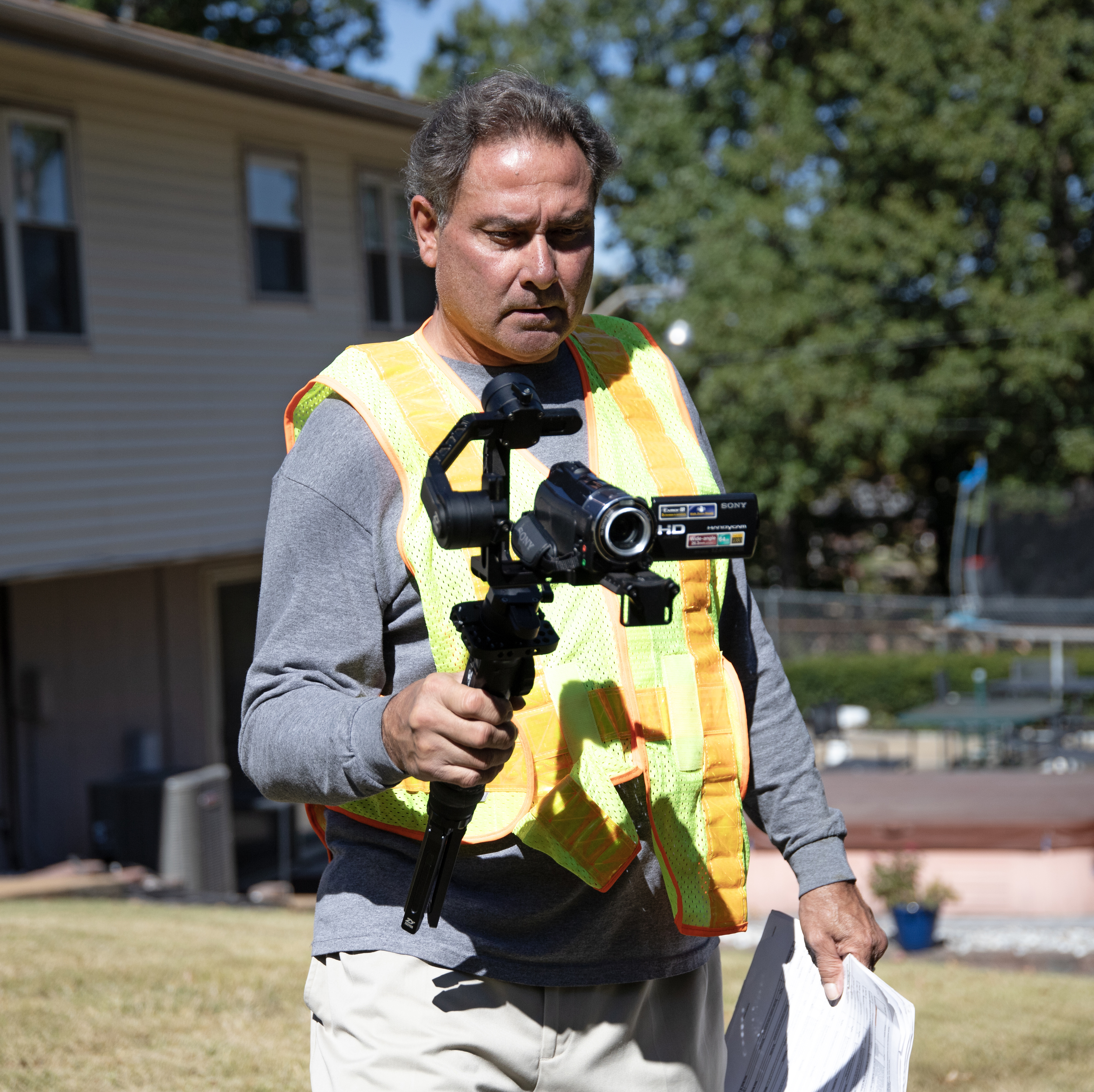
  • Tripods & Fluid Head Mounts – Essential for steady shots.
  • Gimbals & Stabilizers – Used for smooth movement in action sequences.
  • Dollies & Sliders – Provide cinematic motion for dynamic storytelling.

Our team ensures that every shot is properly stabilized, maintaining a polished and professional look.

6. Drones: Capturing Aerial Perspectives

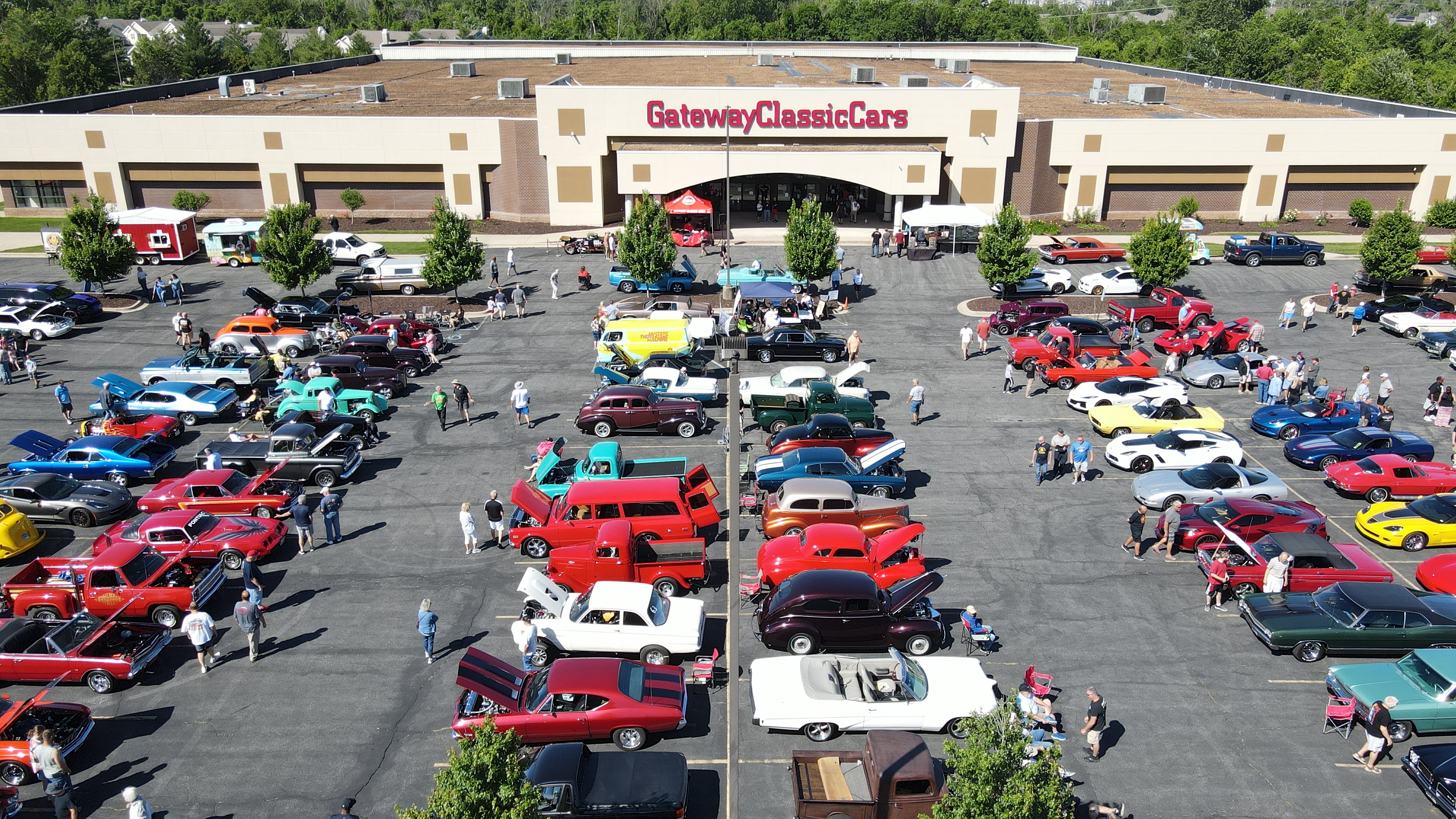
Drone footage adds a cinematic feel to your video. Our licensed drone pilots specialize in both outdoor and indoor drone operations, offering unique vantage points that elevate your brand’s visuals.

7. Editing & Post-Production Software

After capturing the footage, the magic happens in post-production. We utilize industry-standard software like:

  • Adobe Premiere Pro & Final Cut Pro – For high-quality video editing.
  • DaVinci Resolve – Used for professional color grading.
  • After Effects & Motion Graphics – For adding visual effects, animations, and branding elements.

Do You Need Everything?

Not necessarily. The key to successful video production is selecting the right equipment based on your project’s needs. Working with a professional video production crew ensures that you’re using the optimal gear without unnecessary expenses.

Why Choose St. Louis Video Production Crew?

At St. Louis Video Production Crew, we have the right equipment and expertise to bring your vision to life. As a full-service commercial photography and video production company, we offer:

  • Studio & Location Video and Photography
  • Editing, Post-Production & Motion Graphics
  • Licensed Drone Pilots for Aerial & Indoor Drone Filming
  • Custom Productions for Various Media Needs
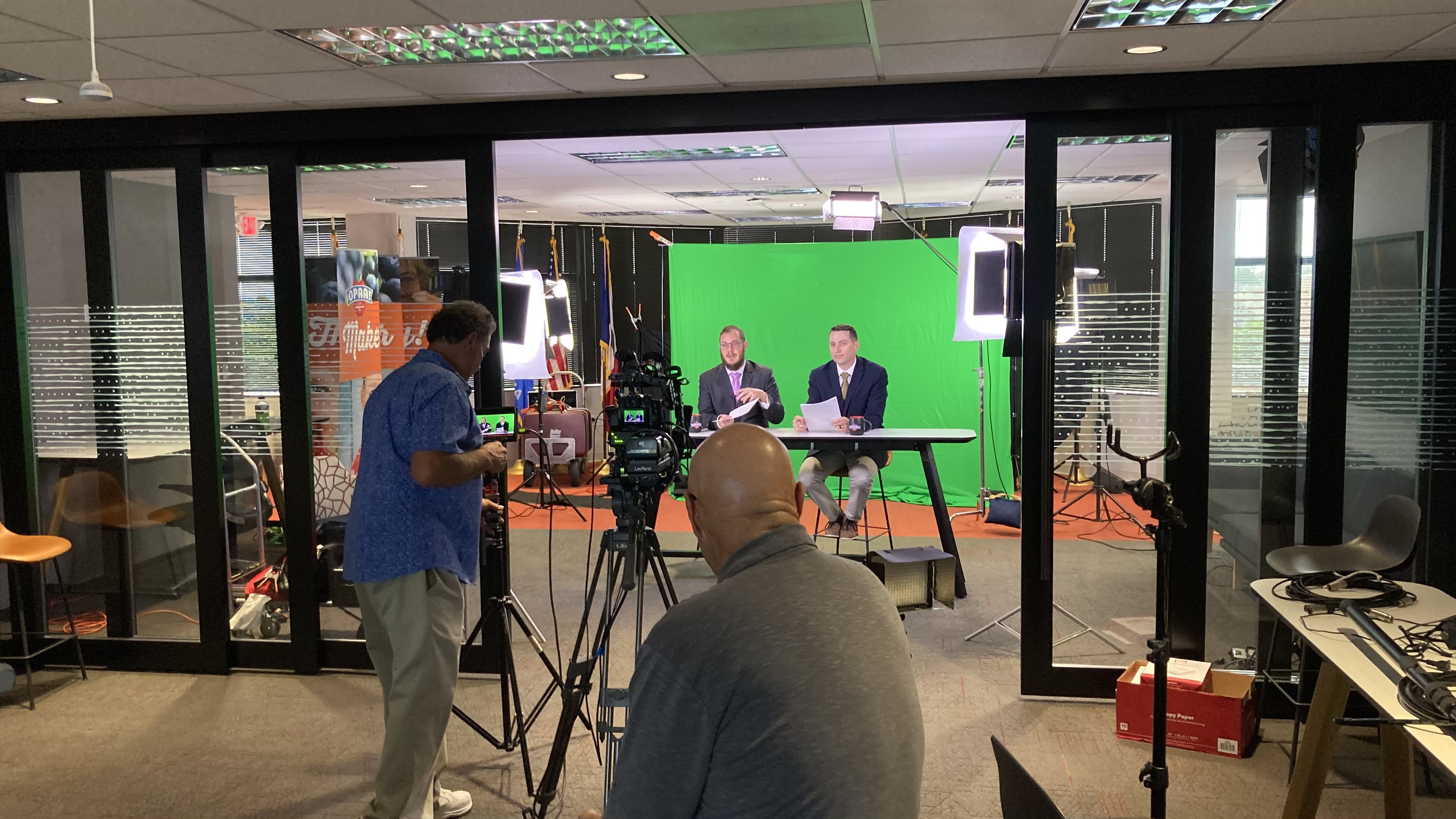
  • Private Studio Lighting & Interview Setups

Since 1982, we’ve partnered with businesses, marketing firms, and creative agencies in St. Louis, providing expert video production solutions that drive engagement and enhance brand visibility. Whether you need a full-scale production or a simple studio shoot, our state-of-the-art equipment and experienced crew ensure high-quality results tailored to your marketing objectives.

Ready to elevate your video content? Contact St. Louis Video Production Crew today to discuss your next project!
videocrewsstlouis@gmail.com

314-913-5626

Turning Your Existing Content into Video Marketing Tools

In today’s fast-paced digital world, the demand for high-quality video content has never been higher. But creating new content from scratch every time can be both time-consuming and expensive. That’s where repurposing your existing content comes in. By transforming the valuable assets you already have, such as photos, blogs, or even testimonials, into engaging videos, you can make your marketing efforts more efficient while enhancing your brand’s presence across multiple platforms.

By converting your blog posts, case studies, and even client testimonials into video content, you improve your chances of appearing in search results.

Let’s dive into why repurposing content is essential for maximizing the impact of your marketing materials and how St Louis Video Production Crews can help you turn those assets into powerful video marketing tools.

Why Repurpose Your Existing Content?

Repurposing content means taking something you’ve already created and using it in a new, creative way. This approach not only saves time and money but also boosts your marketing return on investment (ROI). Here’s why:

  1. Extend the Life of Your Content
    Great content shouldn’t be confined to one format or channel. Repurposing helps give your existing materials a second life. A blog post can become a script for a video, which can then be turned into a series of social media clips. This helps you reach different audience segments across various platforms without constantly reinventing the wheel.
  2. Improved Engagement and Reach
    Video is one of the most engaging forms of content on the internet today. In fact, studies show that videos are shared 1,200% more than text and images combined. By turning your written content into a video, you tap into this higher engagement potential and increase the likelihood of your audience sharing your content.
  3. Better Search Engine Visibility
    Videos are increasingly favored by search engines, particularly Google, which owns YouTube. By converting your blog posts, case studies, and even client testimonials into video content, you improve your chances of appearing in search results. More visibility means more exposure for your brand.
  4. Reinforce Your Brand Message
    Repurposing your existing content into video helps reinforce your brand message across multiple formats. Whether it’s a series of blog posts, a white paper, or a collection of images, video allows you to deliver that message in a more compelling and digestible way.

How St Louis Video Production Crews Can Help

St Louis Video Production Crews is a full-service professional commercial photography and video production company, and we specialize in helping businesses and organizations repurpose their existing content to create high-impact video marketing tools.

We understand the value of a well-planned production and the power of transforming your existing content into something even more impactful. Here’s how we can help:

  1. Full-Service Studio and Location Video and Photography
    Whether you’re looking to create a polished corporate video, a series of educational clips, or a promotional video for social media, our team has the skills and expertise to bring your content to life. Our studio setup is versatile, with the ability to incorporate props to enhance your production and add a unique touch to every scene.
  2. Editing and Post-Production Expertise
    Our talented editing team will take your raw footage and existing assets and turn them into a cohesive video that tells your brand’s story. We’re experienced in all types of media and file formats, ensuring your video is perfectly optimized for web, broadcast, or any other platform.
  3. Licensed Drone Pilots for Aerial Content
    Need aerial shots? We’ve got you covered. Our licensed drone pilots can capture stunning aerial footage, even indoors, to give your video that professional edge. Drone shots are especially effective for showcasing larger properties, events, or adding dynamic perspectives to your marketing videos.
  4. Customizable Productions for Any Need
    No two projects are the same. Whether you’re creating content for an internal corporate video, a testimonial series, or a marketing campaign, we offer customized solutions to fit your specific needs. We can handle everything from lighting and visual setups to camera operation, sound, and more.
  5. Repurpose Your Photography and Video Branding
    One of our key strengths is repurposing existing content. Whether it’s re-editing your product photography into short clips for social media or turning a series of blog posts into educational videos, we’ll help you make the most of what you already have. This not only saves you time and resources but ensures your marketing materials are always working hard to promote your brand.
  6. Experience That Counts
    Since 1982, St Louis Video Production Crews has been providing top-tier photography and video production services to businesses, marketing firms, and agencies across the St. Louis area. Our extensive experience in both corporate video production and photography, combined with our creative crew and state-of-the-art equipment, ensures that your video project will be a success, no matter how big or small.

The Bottom Line

Repurposing your existing content into videos is a smart and efficient way to maximize your marketing efforts. Whether you’re looking to create short promotional clips, in-depth interviews, or event videos, St Louis Video Production Crews offers the expertise, equipment, and creative vision to bring your content to life. From editing and post-production to studio setup and drone filming, we have everything you need for a successful production.

Let us help you make the most of your content and elevate your marketing strategy with compelling video content. Reach out to us today to start turning your existing assets into powerful video marketing tools.

The Best Ways to Edit Your Training Videos

Creating high-quality training videos is a powerful way to engage and educate employees, customers, and clients. However, the editing phase is where your video truly comes to life. With the right editing techniques, your training videos can go from good to great—ensuring that your audience not only understands the material but stays engaged throughout the video. In this post, we’ll explore the best ways to edit your training videos, from improving visuals and sound to structuring the content for maximum impact.

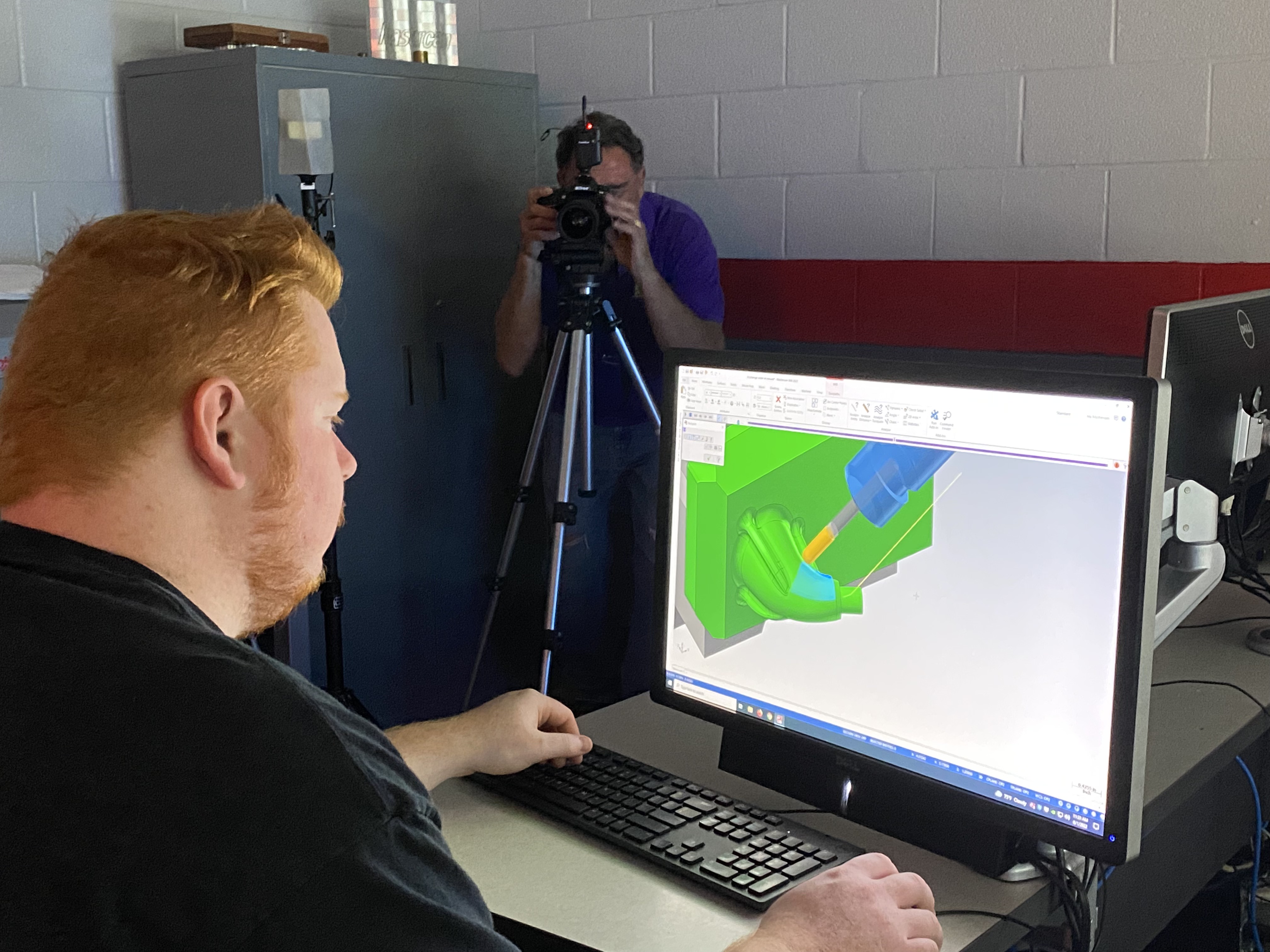
B-roll adds depth and interest to your video. You can use B-roll to show practical applications of what you’re teaching, provide context, or break up monotonous talking-head shots.

1. Start with a Clear Structure

Before you begin editing, it’s essential to have a clear vision for the structure of your training video. This will guide your editing choices and help you maintain a cohesive flow throughout the video. A well-structured training video should typically include:

  • Introduction: Briefly introduce the topic and objectives of the video. This is where you can grab the audience’s attention and set expectations.
  • Main Content: Break down the content into manageable sections. Each section should focus on one key point or concept.
  • Conclusion: Summarize the key takeaways and, if necessary, provide a call to action.

Having a roadmap for your video helps ensure you don’t stray off-topic, and it makes the editing process more efficient and focused.

2. Trim the Fat: Keep It Concise

Training videos need to be informative, but that doesn’t mean they need to be lengthy. In fact, the longer the video, the harder it is to keep your audience’s attention. When editing your training video, trim unnecessary sections, filler content, and long-winded explanations. Focus on delivering your message clearly and concisely. Keep these editing tips in mind:

  • Cut out redundancy: If a point has been made clearly, don’t repeat it.
  • Eliminate filler words: Words like “um,” “uh,” and “you know” can make your video feel unpolished. Cut them out wherever possible.
  • Shorten long pauses: If there are extended pauses in the footage, edit them down to keep the pace moving.

By cutting out unnecessary content, you ensure that your audience stays engaged and the key messages remain clear.

3. Add Visuals to Reinforce Key Points

Editing your training video isn’t just about cutting and trimming—it’s also about enhancing the content with visuals that reinforce your message. Adding visuals can improve engagement and help your viewers retain information better. Here’s how to use visuals effectively:

  • Incorporate graphics and text overlays: Use on-screen text to highlight important points or summarize key concepts. This is especially helpful for complex information or technical terms.
  • Use B-roll footage: B-roll adds depth and interest to your video. You can use B-roll to show practical applications of what you’re teaching, provide context, or break up monotonous talking-head shots.
  • Incorporate animations: Simple animations or diagrams can help explain abstract concepts or processes more clearly. For example, a step-by-step process can be illustrated through animated graphics or text, making it easier for viewers to follow.

Adding visuals not only keeps the video dynamic but also helps to clarify and emphasize the key takeaways.

4. Enhance Audio for Clarity

Good audio is just as important as good visuals in any video, but it’s especially crucial in training videos. Poor audio quality can make it difficult for your audience to understand the material, leading to frustration and disengagement. Here are some audio editing tips:

  • Remove background noise: Use audio editing tools to remove any background noise, such as hums, clicks, or echoes, that may distract from the content.
  • Adjust audio levels: Ensure the audio levels are consistent throughout the video. If certain sections are too quiet or too loud, adjust the volume to make sure the entire video is clear and easy to hear.
  • Add background music (carefully): If appropriate, you can add background music to set the tone of the video. Just be sure the music is subtle and doesn’t overpower the voiceover or narration.

Enhancing your video’s audio ensures that your message is communicated clearly and professionally, without distractions.

5. Use Transitions and Effects Sparingly

Transitions and effects can add polish and sophistication to your training videos, but it’s easy to go overboard. Too many flashy transitions or effects can overwhelm your audience and detract from the content. Use these editing tools strategically to enhance the viewer experience:

  • Simple transitions: Fade-ins and fade-outs are classic transitions that are both professional and unobtrusive.
  • Cutaways: Use cutaways to transition between scenes or sections without using flashy effects. A smooth cut can maintain the video’s flow and keep the audience engaged.
  • Text and title animations: Use subtle animations for titles or key points to add visual interest, but avoid overcomplicating the design. Keep it clean and simple.

The goal is to enhance the video’s flow and professionalism, not to distract from the core message.

6. Incorporate Subtitles and Captions

Subtitles and captions are essential for accessibility, and they can also improve engagement. Many viewers watch videos without sound, especially in a corporate setting, so providing captions ensures your video is accessible to everyone. In addition to helping with accessibility, captions can also:

  • Improve understanding: For non-native speakers or people with hearing impairments, captions provide a way to follow the content more easily.
  • Reinforce key points: Displaying key points on the screen can help viewers remember the material.

Subtitles and captions are a simple yet effective way to ensure your video is inclusive and enhances the learning experience.

7. End with a Clear Call to Action

Your training video should wrap up with a clear call to action (CTA) that directs viewers on what to do next. Whether you want them to take a quiz, apply what they’ve learned, or access additional resources, make sure the CTA is easy to follow and tied to the objectives of the video. Here are a few ideas for effective CTAs:

  • Encourage further learning: “Now that you’ve completed this module, move on to the next video for more advanced techniques.”
  • Ask for feedback: “Please take a moment to complete our short survey and let us know how we can improve our training.”
  • Direct to action: “Apply these steps to your daily workflow and track your progress.”

A strong CTA ensures that your viewers know how to use the information they’ve learned and motivates them to continue engaging with the content.


Why St Louis Video Production Crews Is Your Ideal Partner for Corporate Video Editing

At St Louis Video Production Crews, we understand the importance of editing in creating training videos that are both engaging and educational. As a full-service professional commercial photography and video production company, we have the right equipment and experienced creative crew to bring your vision to life. Whether you need studio or location video and photography, editing, post-production, or licensed drone pilots, we provide everything you need to create a top-tier training video.

Our team can customize your productions for various media needs, ensuring your branding is repurposed effectively to increase engagement and reach. With extensive experience in all file types, media styles, and accompanying software, we are able to create professional training videos that resonate with your audience.

Since 1982, St Louis Video Production Crews has worked with businesses, marketing firms, and agencies in the St. Louis area to produce high-quality corporate video content. Let us help you take your training videos to the next level with our comprehensive video production services, from initial concept through to post-production and final delivery.

videocrewsstlouis@gmail.com

314-913-5626

How to Plan B-Roll for Powerful Video Interviews: A Complete Guide for Business Video Production

When it comes to creating impactful corporate videos, few elements are as crucial as B-roll. This supplementary footage is key to adding depth, engagement, and a polished look to any video interview. B-roll helps to reinforce your message, offer visual variety, and keep your audience interested. However, planning and capturing B-roll effectively requires thought, strategy, and a creative approach. As an experienced videographer and photographer with St. Louis Video Production Crews, I’ve seen firsthand how vital B-roll is in transforming good interviews into great ones. Below, I’ll walk you through the process of planning and capturing B-roll for powerful video interviews.

For a professional look, also consider camera movements like panning, tilting, or zooming. These movements add an extra layer of engagement and dynamism to your video.

What is B-Roll and Why Does It Matter?

B-roll refers to supplemental footage that intercuts with your primary footage (A-roll), such as video interviews. It’s used to illustrate, support, or enhance what’s being discussed. Whether it’s close-ups of hands working on a project, wide shots of an office space, or reactions from people interacting in a meeting, B-roll adds a dynamic quality to your video.

Without B-roll, your interview footage would appear flat, monotonous, and lackluster. Adding B-roll enables you to:

  • Visually emphasize key points: For example, if your interviewee is talking about company growth, you can show footage of bustling office spaces or product development.
  • Create a more engaging viewing experience: By alternating between the speaker and relevant B-roll, the video will hold the audience’s attention more effectively.
  • Build a cohesive narrative: B-roll can show your company’s work environment, team dynamics, or client interactions, giving your audience a richer understanding of the story you’re telling.

Step-by-Step Guide to Planning B-Roll for Video Interviews

  1. Identify Key Points in the Interview

Start by carefully reviewing the interview questions and the answers given by your subject. Pinpoint important moments, such as stories, statistics, or insights that need visual support. These are the moments where B-roll footage will have the most impact. For example, if the interviewee discusses the company’s innovative technology, B-roll showing the product in use or shots of team members brainstorming would be ideal.

  1. Determine the Visuals That Support Your Message

Consider how you can visually represent the key points in the interview. Does the subject mention a new product launch? Capture footage of the product in use. If they mention team collaboration, you could film employees in meetings or working together on projects. You’ll also want to think about incorporating your company’s branding elements, including logos, signage, or product visuals, as these can reinforce your brand’s presence in the video.

  1. Choose the Right Locations for B-Roll

The setting of your B-roll is just as important as the footage itself. The location should align with the message of the interview, adding authenticity and value to the narrative. For example:

  • Office spaces: Capture your team working, collaborating, or interacting with clients.
  • Factory or workshop settings: If you’re talking about manufacturing or product development, filming your production process is essential.
  • On-site at events or conferences: If your business is engaged in public-facing events, showing these settings will add excitement and energy to your video.
  1. Coordinate Camera Angles and Movement

B-roll footage should provide a variety of shots. This could mean varying the camera angle, such as wide shots, close-ups, over-the-shoulder shots, and tracking shots. For a professional look, also consider camera movements like panning, tilting, or zooming. These movements add an extra layer of engagement and dynamism to your video.

  1. Plan Your Lighting and Composition

Lighting plays a crucial role in making your B-roll footage look professional. Good lighting highlights important details, enhances the mood, and creates a consistent look across shots. Depending on your location, you may need to bring your own lighting setup to ensure that all B-roll footage is well-lit and matches the lighting of the interview.

In our private studio, we provide the perfect lighting setup for small productions and interview scenes, which means you won’t need to worry about inconsistent lighting affecting your visuals.

  1. Capture Supporting Visuals: From Props to People

Don’t forget that B-roll can also include supporting visuals like props, signage, or even staged interactions. For instance, if your company provides services, show visuals of your team interacting with clients or using the product. These types of shots help add realism and can help tell your story in a more comprehensive way.

  1. Utilize Your Crew for Seamless Production

For a high-quality result, your B-roll footage should be captured seamlessly within the context of the interview. This is where an experienced crew comes in. As part of St. Louis Video Production Crews, we have the right team members—from camera operators to sound engineers—who know how to plan and capture B-roll effectively, ensuring that the footage fits with your interview and story arc.

The St. Louis Video Production Crews Difference: Your Partner for Powerful Video Interviews

When you partner with St. Louis Video Production Crews, you’re not just hiring a videographer; you’re gaining a team of seasoned professionals with years of experience in crafting exceptional corporate videos. We specialize in full-service studio and location video and photography, editing, and post-production services.

Our creative crew is equipped with top-of-the-line equipment to meet diverse production needs, whether you’re shooting interviews in a controlled studio environment or capturing dynamic location footage. We offer:

  • Customized production services: Whether you need a custom interview set up or specialized drone shots, we can adapt our services to meet your specific needs.
  • Expertly executed B-roll: We’ll ensure that your B-roll footage enhances your message, keeping your video engaging and on-brand.
  • Extensive knowledge of file types and media software: We’re well-versed in all styles of media and the software required to work with them, so you don’t need to worry about technical issues.
  • Licensed drone pilots: For unique shots, we have licensed drone pilots capable of flying specialized drones indoors, adding an extra level of creativity to your production.

St. Louis Video Production Crews has been serving businesses, marketing firms, and agencies in the St. Louis area since 1982, making us a trusted partner in corporate video production. Let us help you capture the essence of your brand and convey your message in a powerful, professional video that resonates with your audience.

Ready to elevate your corporate video with expertly planned B-roll? Get in touch with St. Louis Video Production Crews today!
videocrewsstlouis@gmail.com

314-913-5626

Avoid Common Location Scouting Mistakes

Location scouting is a critical step in the production process that can make or break your project. Whether you’re creating a corporate video, a marketing campaign, or any other visual content, choosing the right location is essential. Yet, many production teams encounter pitfalls that can lead to delays, budget overruns, and disappointing results. In this post, we’ll explore common mistakes in location scouting and provide guidance on how to avoid them, ensuring a smoother production process.

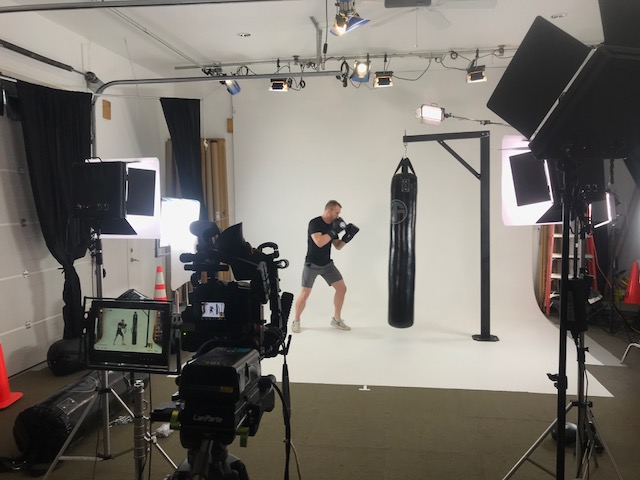
Always have a backup plan in place, which includes alternative locations and shooting schedules.

1. Not Defining Your Vision

Before you begin scouting locations, it’s crucial to have a clear vision of what you want to achieve. Failing to define your project’s goals can lead to wasted time and effort. Take the time to develop a detailed brief that outlines the project’s objectives, themes, and stylistic elements. This will serve as your roadmap during the scouting process and help you identify locations that align with your vision.

2. Skipping the Recce

One of the most significant mistakes is relying solely on online images and descriptions. While technology allows us to view locations remotely, nothing compares to visiting a site in person. A site visit provides insights into lighting conditions, space dimensions, and the overall atmosphere. It also allows you to assess practical considerations, such as accessibility and parking.

3. Ignoring Legal Considerations

Every location comes with its own set of legal requirements, including permits and insurance. Failing to address these legalities can result in delays and additional costs. Before securing a location, research any permits or licenses required for filming. Collaborating with local authorities or property owners can help you navigate these legalities more smoothly.

4. Overlooking Logistics

Logistics can be a production’s silent enemy. When scouting locations, consider the logistics of moving your crew, equipment, and talent to and from the site. Evaluate factors such as:

  • Access: Is the location easily accessible for your crew and equipment?
  • Amenities: Are there nearby facilities for your team, such as restrooms or catering?
  • Parking: Is there sufficient parking for your crew and production vehicles?
  • Safety: Are there any safety concerns that could impact your shoot?

By addressing these logistical considerations upfront, you can minimize disruptions during production.

5. Failing to Communicate with Your Team

Effective communication with your production team is paramount. Once you’ve scouted a location, gather feedback from your crew to ensure everyone is aligned with the site’s suitability. This is especially important for technical teams who may have specific requirements for filming and sound quality. Regularly sharing updates and insights can help create a collaborative environment that enhances the overall production process.

6. Not Having a Backup Plan

Sometimes, despite careful planning, things don’t go as expected. Weather changes, unforeseen circumstances, or last-minute cancellations can disrupt your production schedule. Always have a backup plan in place, which includes alternative locations and shooting schedules. This flexibility can save time and resources, ensuring your production stays on track.

7. Ignoring Local Expertise

Partnering with local professionals can provide invaluable insights into the area you’re scouting. Local experts often have knowledge about hidden gems, logistical challenges, and local regulations that you may not be aware of. Engaging with experienced location scouts can lead to discoveries that elevate your production’s quality.

Conclusion

Avoiding these common location scouting mistakes can significantly improve the quality and efficiency of your video production. At St. Louis Video Production Crews, we understand the importance of meticulous planning and execution in location scouting. As a full-service professional commercial photography and video production company since 1982, we have the experience, right equipment, and creative crew service expertise necessary for successful image acquisition.

We offer comprehensive services, including studio and location video and photography, editing, post-production, and licensed drone pilots. Our team can customize your productions to meet diverse media requirements, ensuring your content stands out. We specialize in repurposing photography and video branding to help you gain more traction in your marketing efforts.

Our private studio, equipped with professional lighting and visual setups, is ideal for small productions and interview scenes. It provides ample space for props to enhance your set, and we can assist with every aspect of your production—from custom interview studio setups to providing sound and camera operators. With the capability to fly specialized drones indoors, we have everything you need to make your next video production perfect.

For any corporate photography or video needs in the St. Louis area, trust St. Louis Video Production Crews to deliver exceptional results tailored to your vision.

videocrewsstlouis@gmail.com

314-913-5626

What Questions Should You Ask in Marketing Video Interviews?

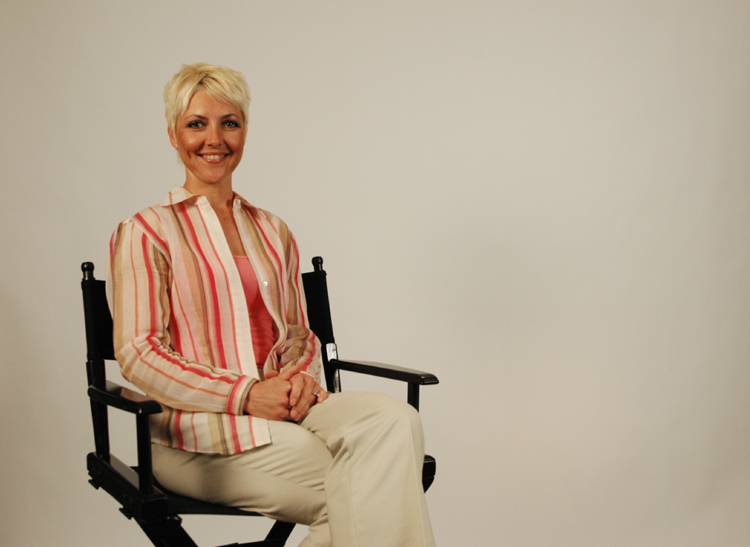
When it comes to producing a compelling marketing video, interviews with key personnel, customers, or subject matter experts can be a powerful tool. These interviews allow businesses to showcase their expertise, highlight success stories, and provide authentic, relatable content that resonates with their target audience. However, to ensure these interviews are effective, it’s essential to ask the right questions—questions that not only capture useful information but also align with your overall marketing goals. Below are key considerations and essential questions to ask during marketing video interviews.

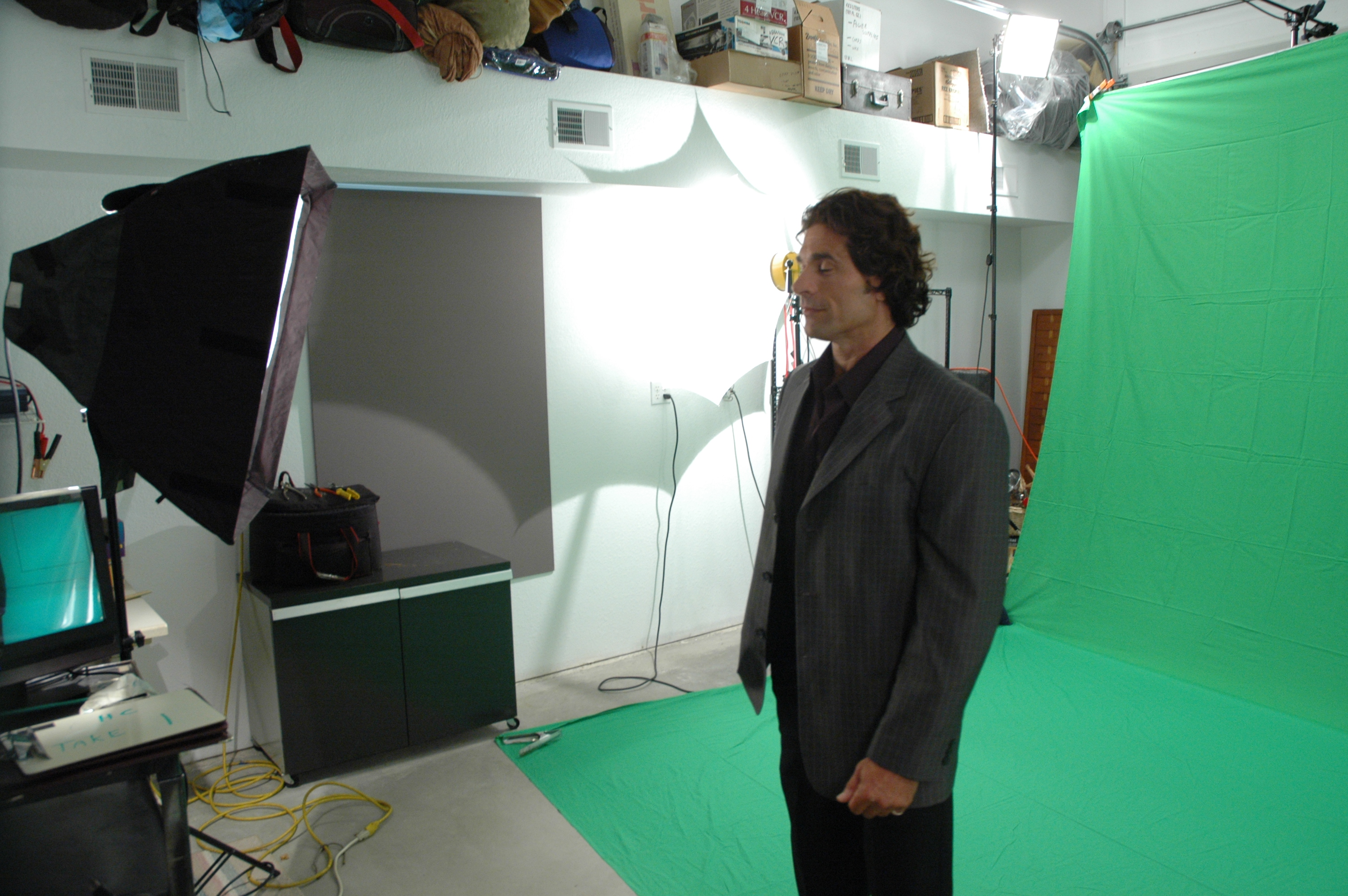
Focus on Benefits and Results. Your video should highlight the tangible benefits that your company’s offerings provide.

1. Align Questions with Your Marketing Goals

Before diving into the questions, you need to be clear about your marketing objectives. Are you promoting a new product or service? Trying to enhance brand awareness? Or perhaps telling a customer success story? Your questions should be crafted to guide the conversation toward your key messaging points.

Example Questions:

  • Can you describe how this product/service has improved your business operations?
  • What problem were you facing before discovering our solution?
  • How does our company differentiate itself from competitors in your opinion?

These types of questions help draw out responses that align with your brand’s narrative while focusing on how your product or service provides value.

2. Capture Emotional and Relatable Responses

Authenticity is key in marketing videos. When interviewing customers or employees, you want to elicit genuine emotions that viewers can connect with. Craft open-ended questions that encourage the interviewee to share their personal experiences and insights.

Example Questions:

  • How did you feel when you first encountered our product/service?
  • Can you share a memorable experience while working with our team?
  • What has surprised you the most about using this solution?

By asking questions that tap into emotions, you allow your interviewee to tell a compelling story that can build trust and empathy with the audience.

3. Focus on Benefits and Results

Your video should highlight the tangible benefits that your company’s offerings provide. Whether it’s increased efficiency, cost savings, or improved customer satisfaction, focusing on measurable outcomes will give potential clients a clearer picture of the value you deliver.

Example Questions:

  • What specific improvements have you seen since using our solution?
  • How has this partnership impacted your bottom line or customer satisfaction?
  • Can you provide any statistics or examples of the improvements you’ve experienced?

Incorporating data-backed responses can be highly persuasive, particularly for decision-makers evaluating your product or service.

4. Humanize Your Brand Through Employee Interviews

Interviewing key team members offers a great opportunity to humanize your brand. Clients and prospects want to know the people behind the product or service. Employee interviews can demonstrate the passion, expertise, and dedication your team brings to every project.

Example Questions:

  • What excites you the most about working for our company?
  • What do you believe sets us apart in the industry?
  • Can you share a project or moment you’re particularly proud of?

By sharing personal stories and professional insights, employees help humanize the brand and create a more relatable company image.

5. Ask Customers for Authentic Testimonials

Nothing is more powerful than a satisfied customer’s endorsement. When conducting interviews with clients, aim for authentic testimonials that speak to their experience working with your company. These testimonials will not only reinforce your credibility but also serve as strong social proof for future customers.

Example Questions:

  • What made you choose our company over competitors?
  • How has your overall experience been with our team?
  • Would you recommend us to others, and if so, why?

Real-life testimonials can help you build trust with prospective customers and give them confidence in your ability to deliver.

6. Get Insight into Future Goals and Vision

Lastly, asking questions about future goals or the long-term vision of the interviewee’s business can be a great way to showcase how your product or service will continue to play a role in their success. This forward-thinking approach will highlight your company’s commitment to evolving and growing alongside your clients.

Example Questions:

  • What are your company’s future goals, and how do you see us helping you achieve them?
  • How do you envision our partnership evolving in the coming years?
  • What upcoming challenges do you think we can help you solve?

This type of questioning positions your company as an essential and future-proof partner in their ongoing success.

Conclusion: Why Choose St Louis Video Production Crews?

As you plan your next marketing video production, you need a partner with the experience and equipment to capture the best possible footage. At St Louis Video Production Crews, we’ve been providing full-service commercial photography and video production since 1982. Our creative team is equipped to handle everything from studio and location video shoots to editing, post-production, and even licensed drone operations. Whether you need a custom interview studio setup or a specialized drone to capture unique indoor shots, we’ve got you covered.

We specialize in customizing productions for diverse media requirements, repurposing your photography and video content to maximize your brand’s reach. With expertise in all file types and media styles, and a private studio that can be tailored for small productions or interview scenes, St Louis Video Production Crews has the tools and talent to make your video production a success.

From equipment to creative vision, we have what it takes to create standout video content. Let us help you tell your story and make your next marketing video production perfect.

Contact us today to learn more about how we can support your video production needs!

videocrewsstlouis@gmail.com

314-913-5626

What Are the Different Types of Video Production Crews?

In the world of corporate photography and video production, understanding the different types of video production crews can make a significant difference in the outcome of your project. As decision-makers in your organizations, you need to be aware of the options available to you and how to best leverage them to achieve your goals. Whether you’re producing a commercial, a corporate training video, or a brand story, the right crew can elevate your production from good to exceptional.

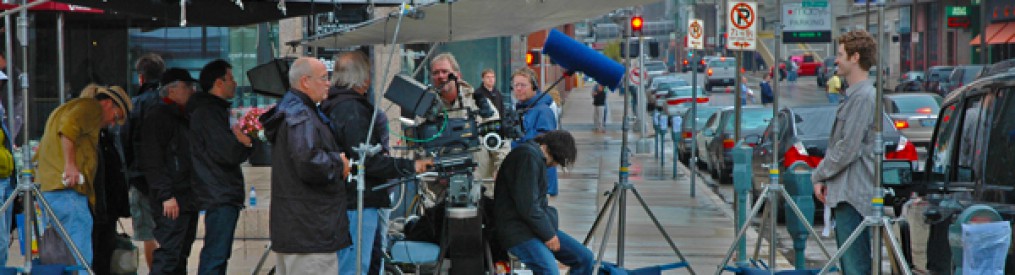
Add a drone pilot to help crew your next video shoot.

1. Full-Service Video Production Crews

Full-service video production crews handle every aspect of a production from start to finish. These crews are ideal for businesses that require a comprehensive approach to video production, including pre-production planning, on-set production, and post-production editing. They consist of directors, producers, camera operators, sound technicians, lighting specialists, and editors. This type of crew is particularly beneficial for larger productions where the scope and scale of the project require a team with diverse expertise and extensive resources.

2. Specialized Video Crews

Specialized video crews focus on specific aspects of production. These crews might be brought in for particular tasks such as drone videography, underwater filming, or specialized camera work like Steadicam or crane shots. Businesses looking to add a unique element to their video—such as aerial shots of their facilities—would benefit from hiring a specialized crew. These teams bring niche skills and equipment that can provide the precise creative or technical advantage needed for certain scenes.

3. Corporate Video Crews

Corporate video crews are experienced in producing videos specifically tailored to business needs. They excel in creating content like promotional videos, internal training videos, corporate interviews, and testimonials. These crews understand the nuances of corporate messaging and branding, ensuring that the final product aligns with the company’s vision and objectives. Working with a corporate video crew can streamline the process, as they are adept at handling the logistics and protocols associated with corporate environments.

4. Commercial Video Crews

Commercial video crews specialize in producing high-quality advertisements. These teams are experienced in working with tight deadlines and high expectations, often collaborating closely with marketing teams and agencies. They bring a creative edge to productions, ensuring that the video stands out in a crowded marketplace. With expertise in visual storytelling, these crews craft compelling narratives that resonate with target audiences, ultimately driving brand engagement and sales.

5. Documentary Video Crews

Documentary video crews are adept at capturing real-life events and stories. These crews are particularly skilled at working in unpredictable environments and adapting to changing circumstances. They are ideal for businesses looking to produce content that feels authentic and engaging. Whether it’s a behind-the-scenes look at your company, a customer success story, or a social responsibility initiative, a documentary crew can bring your story to life with a sense of realism and impact.

6. Event Video Crews

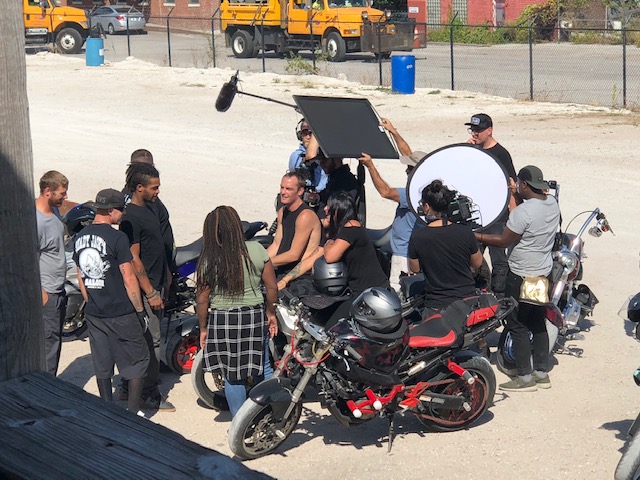
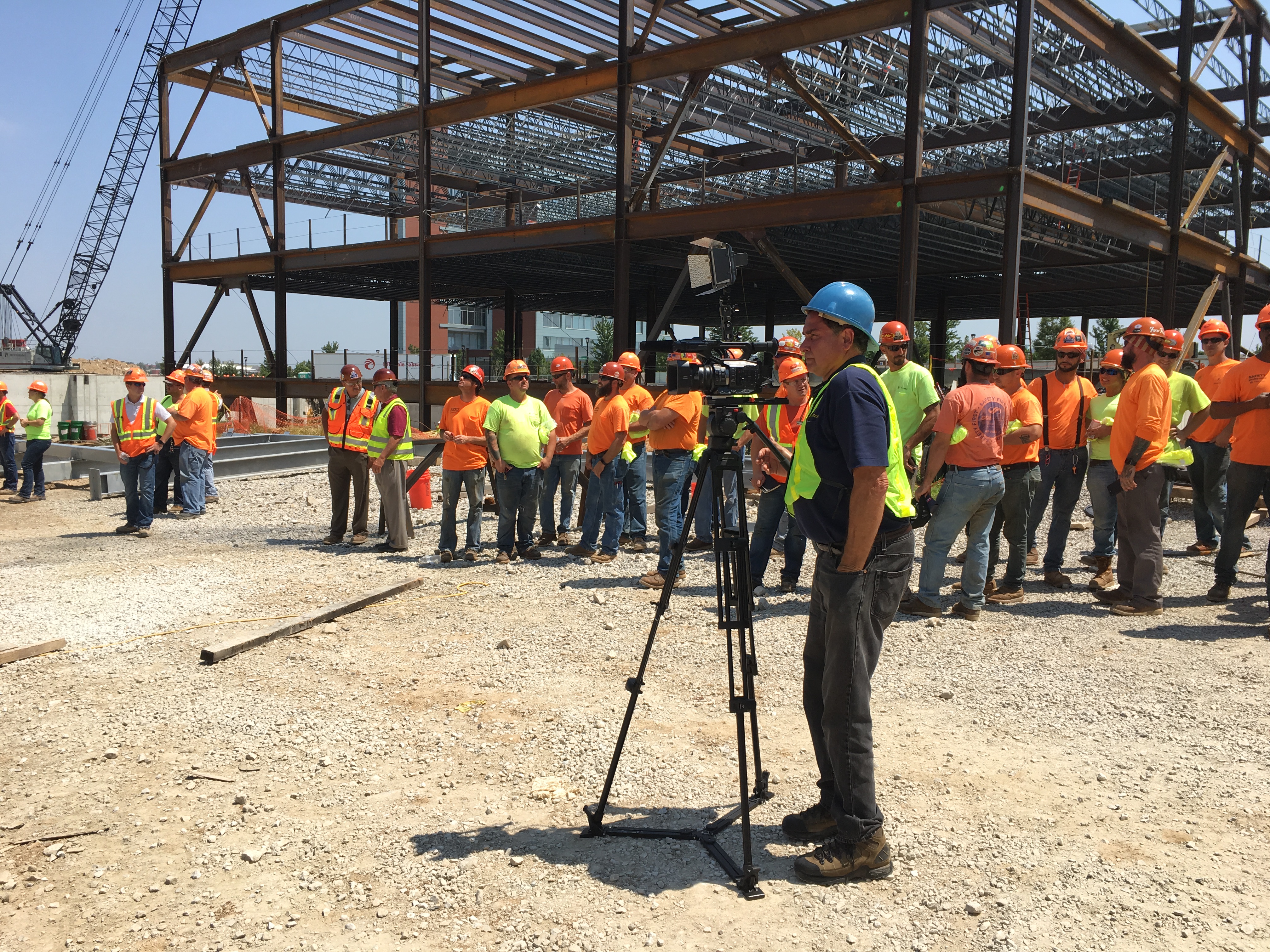
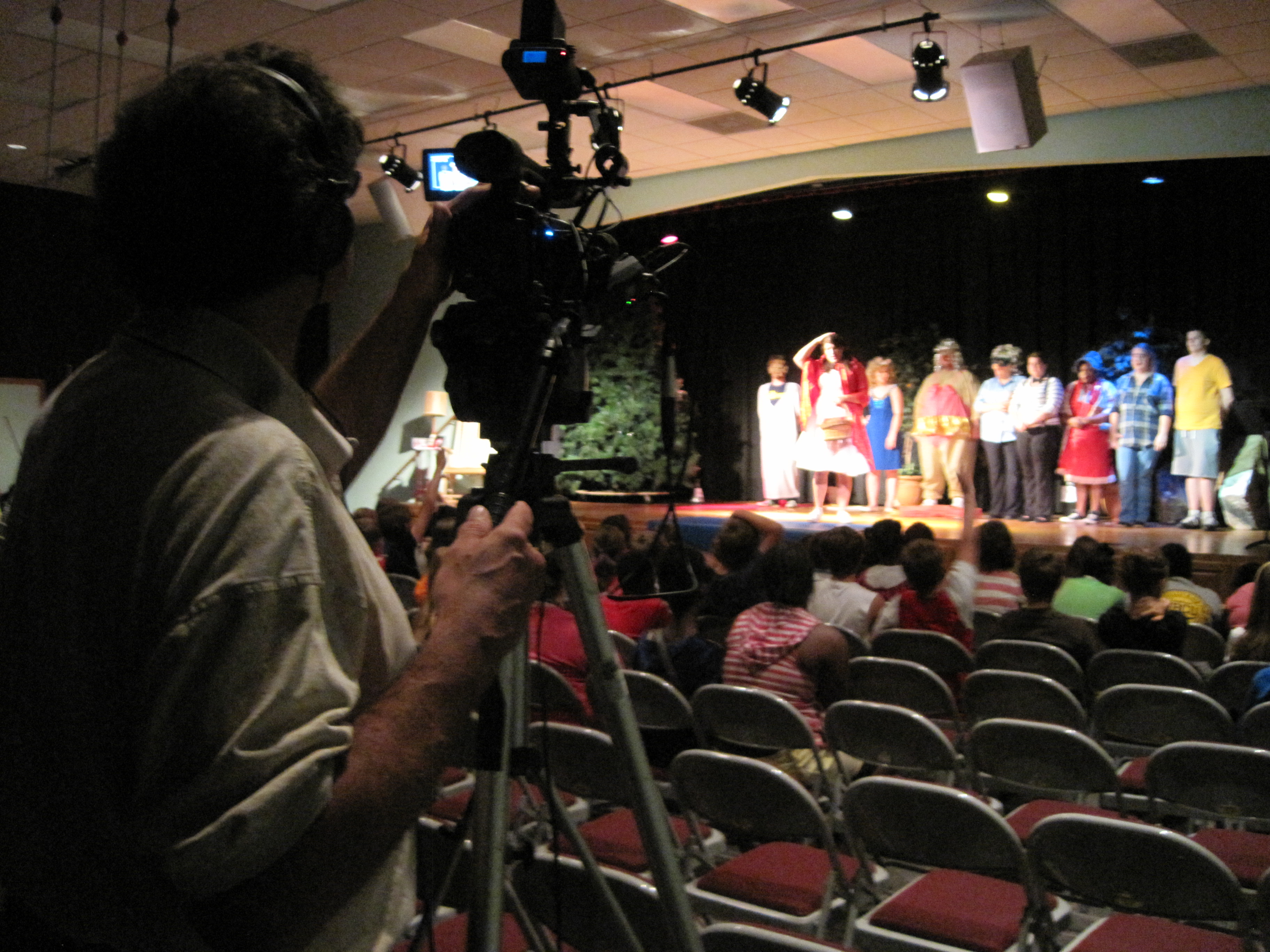
Event video crews specialize in capturing live events, including conferences, seminars, product launches, and trade shows. These crews are equipped to handle the fast-paced, dynamic nature of live events, ensuring that all critical moments are captured seamlessly. They often include multiple camera operators to cover different angles, as well as sound and lighting technicians to ensure high production quality even in challenging environments. Event video crews are essential for businesses that want to document and later repurpose event footage for marketing or internal use.

7. Post-Production Crews

While not on-site during filming, post-production crews play a critical role in the video production process. These teams handle editing, sound design, color correction, and visual effects, bringing the raw footage to its final polished form. Businesses looking to elevate their video content will find the expertise of a skilled post-production crew invaluable. They can turn ordinary footage into extraordinary content, ensuring that your message is communicated effectively and professionally.

Why Choose St Louis Video Production Crews?

At St Louis Video Production Crews, we are a full-service professional commercial photography and video production company with the right equipment and creative crew service experience for successful image acquisition. We offer full-service studio and location video and photography, as well as editing, post-production, and licensed drone pilots. Whether you need a comprehensive video production from start to finish or specialized services, we can customize your production for diverse types of media requirements.

Repurposing your photography and video branding to gain more traction is one of our specialties. We are well-versed in all file types and styles of media, along with the accompanying software needed to deliver exceptional results. Our private studio lighting and visual setup is perfect for small productions and interview scenes, and it’s large enough to incorporate props to round out your set.

From a private custom interview studio setup to providing sound and camera operators and specialized drones that can fly indoors, we have everything to make your next video production perfect. Since 1982, St Louis Video Production Crews has worked with many businesses, marketing firms, and agencies in the St. Louis area for their corporate photography and video needs. We bring decades of experience and a commitment to excellence to every project we undertake, ensuring that your vision becomes a reality.

videocrewsstlouis@gmail.com

314-913-5626

What Is A Production Crew?

In the world of photography and video production, the term “production crew” encompasses a diverse group of professionals who work together to bring a vision to life. Whether it’s a commercial, a corporate video, or a full-scale film, the success of any production hinges on the expertise and collaboration of these individuals. Understanding the structure and roles within a production crew is essential for decision-makers in businesses and organizations looking to invest in high-quality visual content.

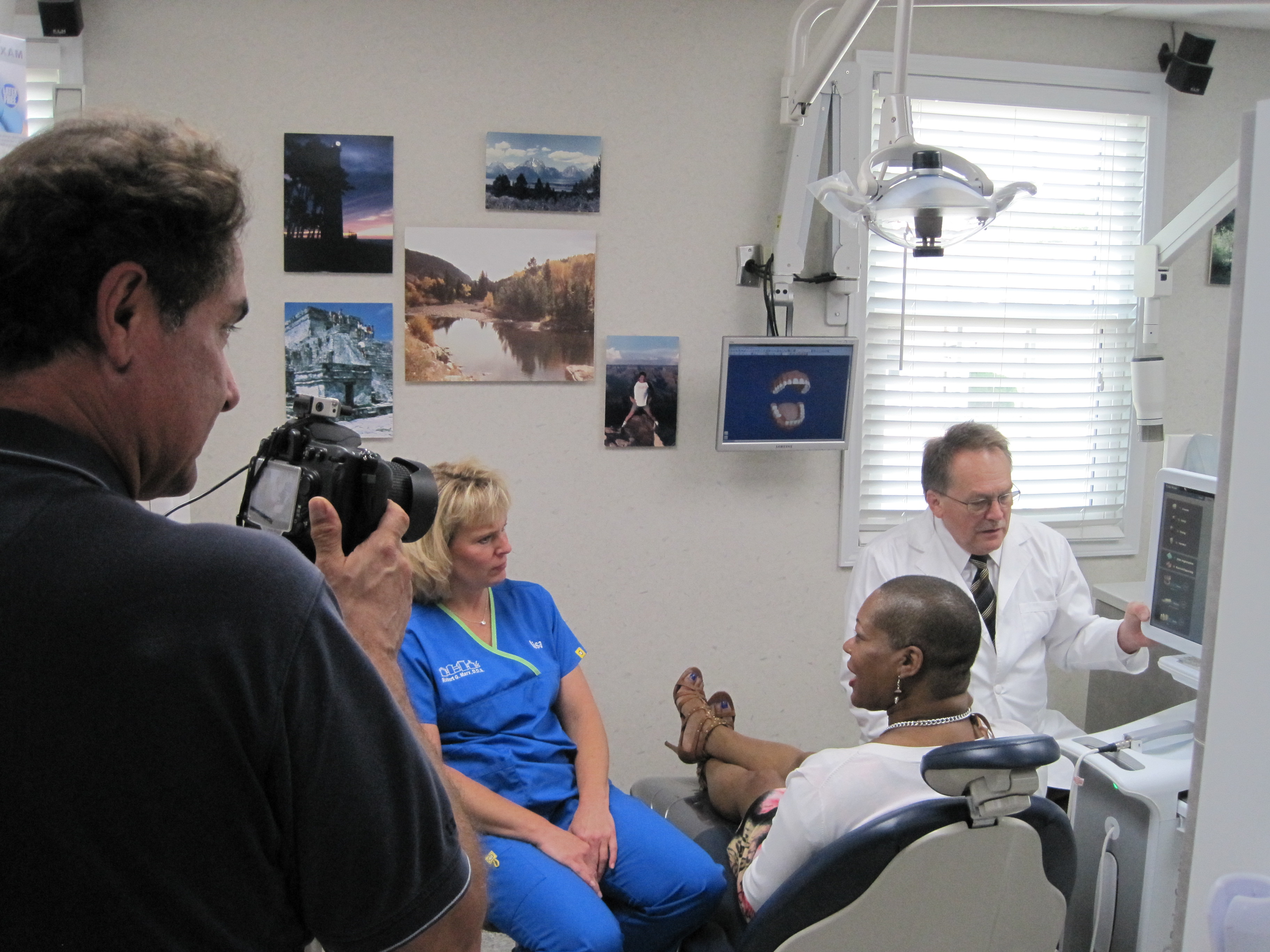
A small production crew is typically utilized for straightforward shoots such as interviews, small business promotions, or simple product demonstrations.

Small Production Crews

A small production crew is typically utilized for straightforward shoots such as interviews, small business promotions, or simple product demonstrations. These crews are efficient, flexible, and can operate with minimal equipment, making them ideal for quick turnarounds and budget-conscious projects.

Key Roles:

  1. Producer/Director: Often the same person in small crews, responsible for overseeing the project, making creative decisions, and ensuring the production stays on schedule and within budget.
  2. Camera Operator: Handles the camera setup, framing, and capturing footage as directed by the producer/director.
  3. Sound Technician: Manages audio equipment, ensuring clear and high-quality sound recording.
  4. Lighting Technician: Sets up and adjusts lighting to enhance the visual quality of the shoot.

Medium Production Crews

Medium production crews are suited for more complex projects such as corporate videos, promotional content, and short films. These crews have more specialized roles and equipment, allowing for a higher level of production value.

Key Roles:

  1. Producer: Oversees the entire production, manages the budget, and coordinates between different departments.
  2. Director: Focuses on the creative aspects, guiding the crew and talent to achieve the desired vision.
  3. Assistant Director (AD): Helps the director with scheduling, logistics, and managing the set.
  4. Director of Photography (DP): Responsible for the visual look of the film, working closely with the director on shot composition and lighting.
  5. Camera Operator: Operates the camera under the DP’s guidance.
  6. Sound Mixer: Ensures high-quality sound recording, often managing multiple microphones and sound sources.
  7. Gaffer: Head of the lighting department, responsible for implementing the lighting plan.
  8. Grip: Assists with setting up and maintaining lighting and rigging equipment.

Large Production Crews

Large production crews are necessary for feature films, major commercials, and extensive corporate productions. These crews are highly specialized and include a wide range of roles to handle the complexities of large-scale projects.

Key Roles:

  1. Executive Producer: Provides the financial backing and overall vision for the project.
  2. Producer: Manages day-to-day operations, including budget and scheduling.
  3. Director: Oversees the creative direction and execution of the film.
  4. Assistant Directors (1st AD, 2nd AD): Coordinate logistics, manage the shooting schedule, and ensure the director’s instructions are carried out.
  5. Director of Photography (DP): Develops the visual style and oversees the camera and lighting departments.
  6. Camera Operator: Operates the camera, following the DP’s instructions.
  7. Camera Assistants (1st AC, 2nd AC): Manage camera equipment, focus pulling, and slating.
  8. Sound Department (Mixer, Boom Operator): Captures and manages audio on set.
  9. Gaffer and Best Boy Electric: Lead the lighting team and manage electrical equipment.
  10. Key Grip and Best Boy Grip: Handle rigging, lighting setups, and camera movement.
  11. Art Department (Production Designer, Set Decorator, Prop Master): Create and maintain the visual aesthetic of the set.
  12. Hair and Makeup Artists: Ensure the talent’s appearance aligns with the director’s vision.
  13. Wardrobe/Costume Designers: Design and manage costumes for the talent.
  14. Production Assistants (PAs): Provide support across various departments, handling tasks such as setting up equipment, managing paperwork, and ensuring the smooth operation of the set.

The Expertise of St Louis Video Production Crews

At St Louis Video Production Crews, we pride ourselves on being a full-service professional commercial photography and video production company with the right equipment and creative crew service experience for successful image acquisition. We offer full-service studio and location video and photography, as well as editing, post-production, and licensed drone pilots.

Our team can customize productions for diverse types of media requirements, ensuring that your photography and video branding gain maximum traction. We are well-versed in all file types and styles of media and accompanying software. Our private studio lighting and visual setup are perfect for small productions and interview scenes, while our studio is large enough to incorporate props to round out your set.

From a private custom interview studio setup to providing sound and camera operators to equipment, we have everything needed to make your next video production perfect. Our specialized drones can even fly indoors, adding a unique perspective to your shoots. Since 1982, St Louis Video Production Crews has worked with numerous businesses, marketing firms, and agencies in the St. Louis area for their corporate photography and video needs.

By choosing St Louis Video Production Crews, you are partnering with a team of experienced professionals dedicated to delivering high-quality visual content that meets your specific needs. Let us help you elevate your brand and communicate your message effectively through the power of photography and video.

4o