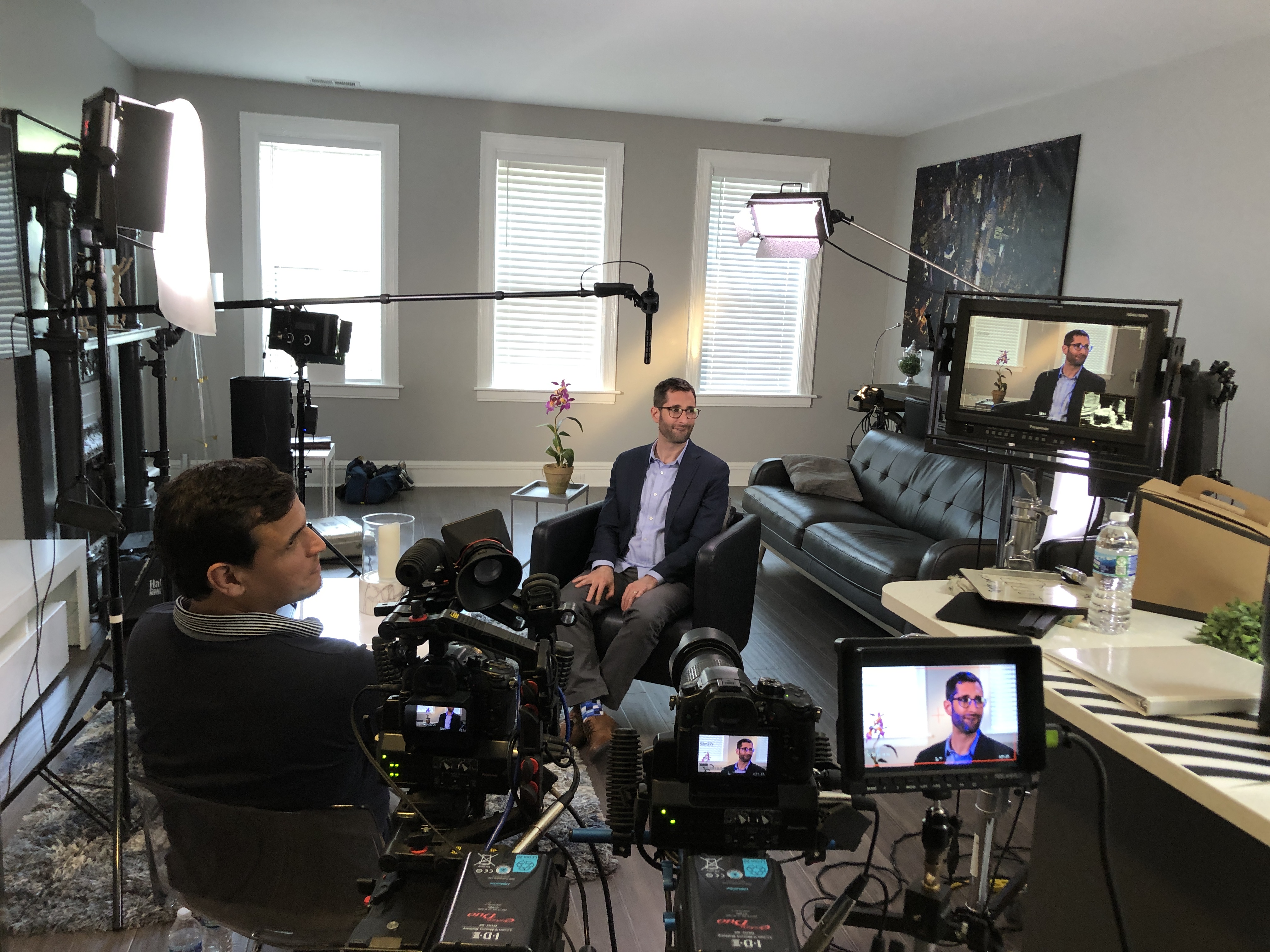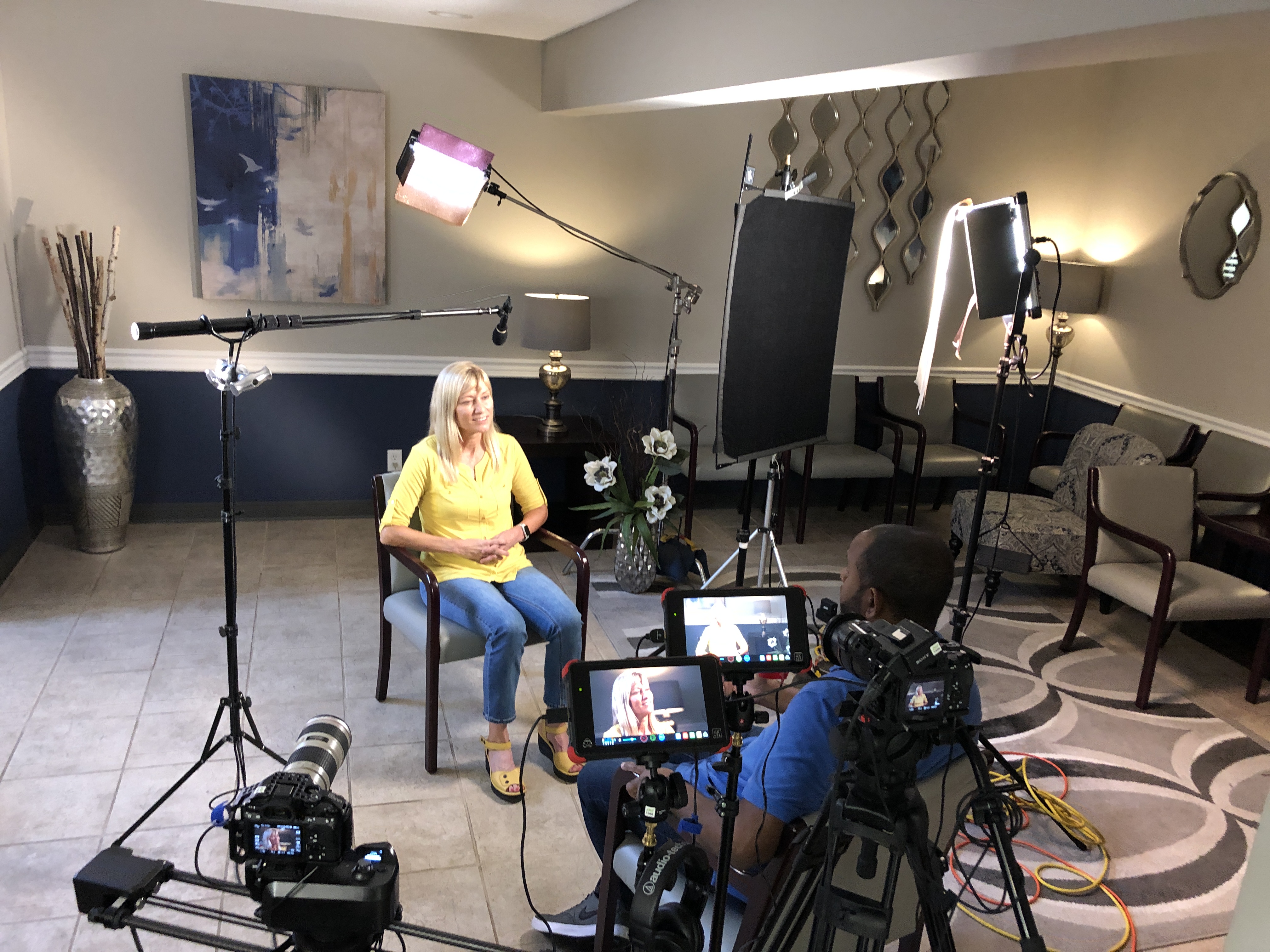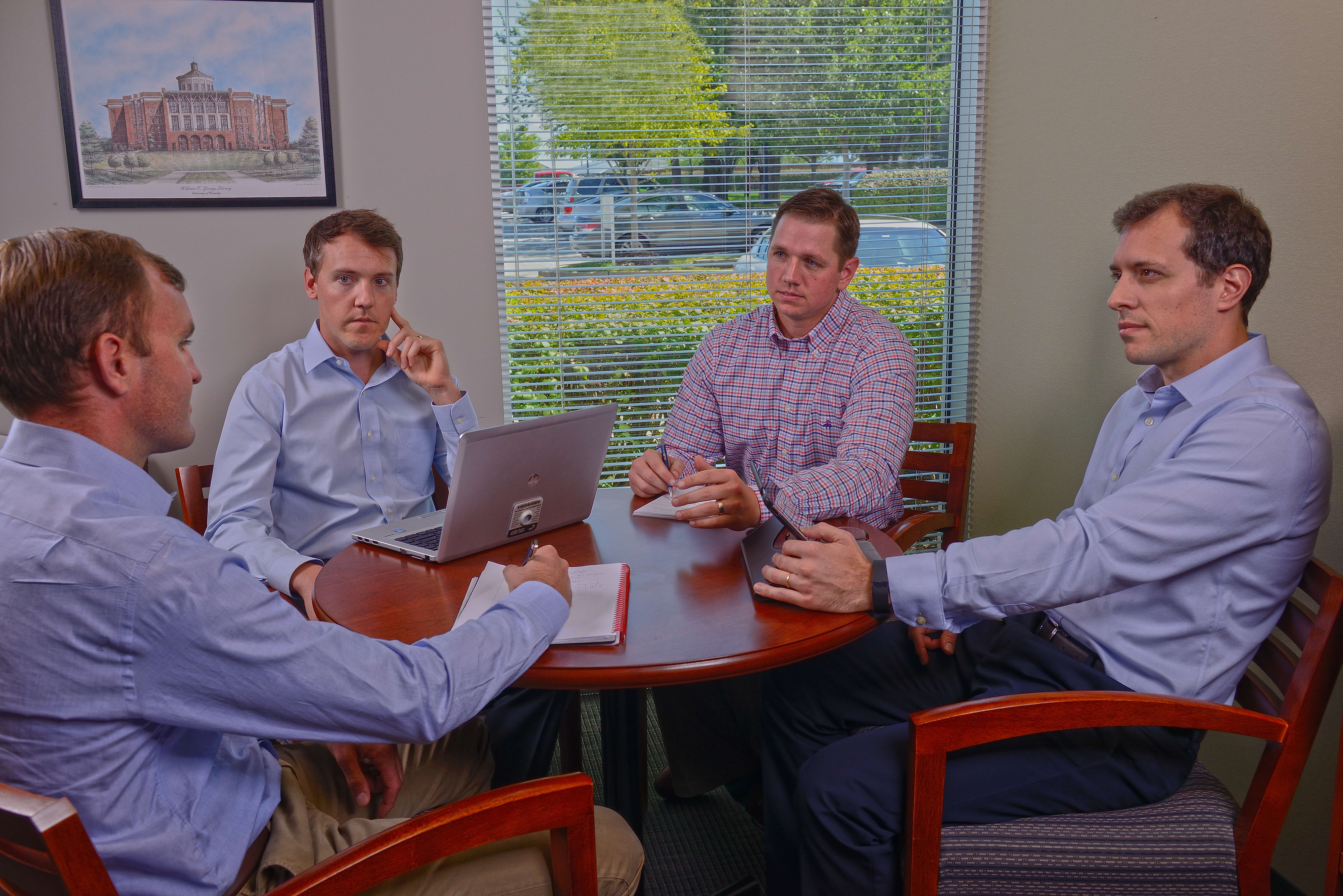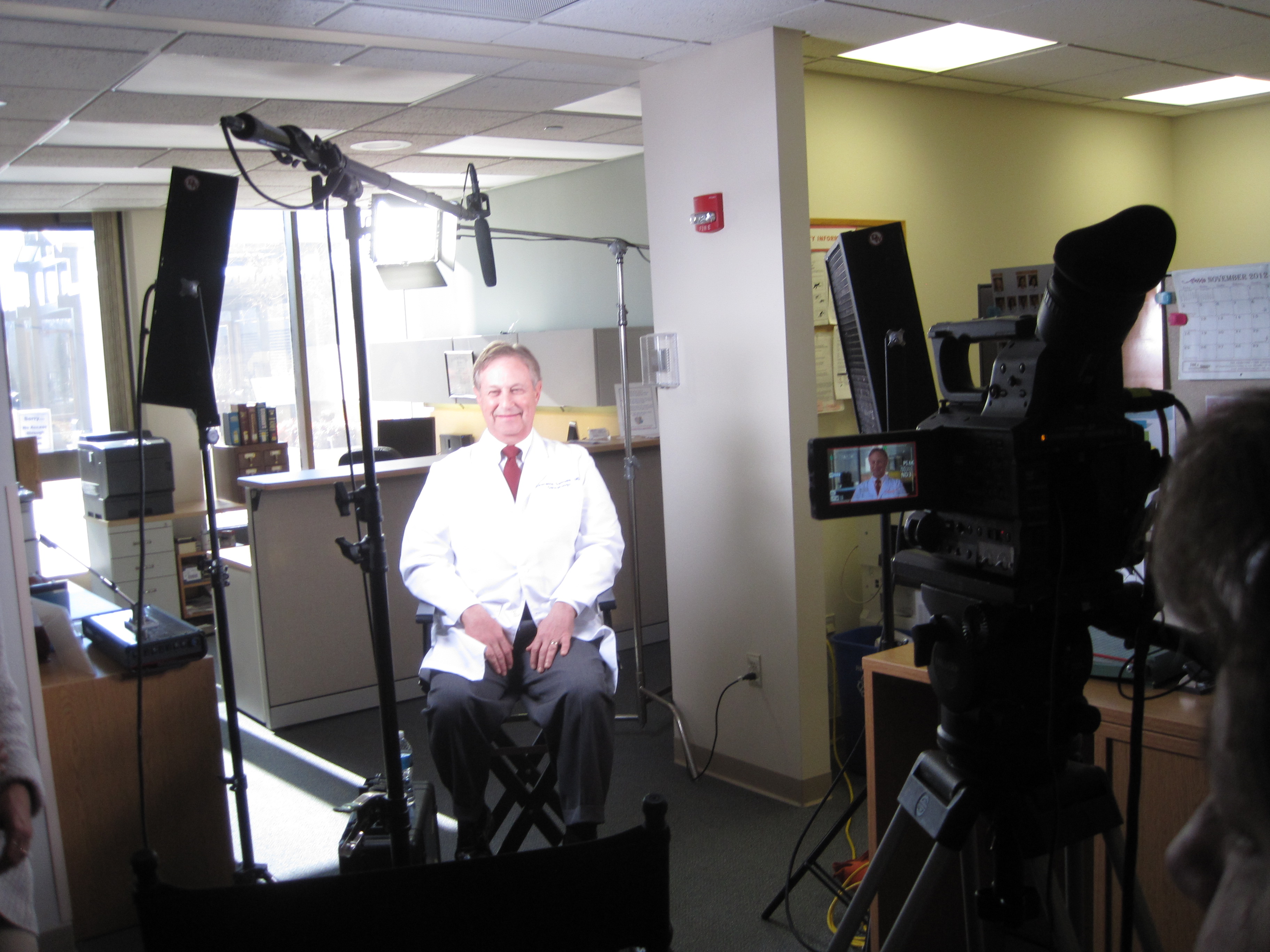
Get Great Customer Interview Videos: 40 Questions That Turn Praise into Proof

Customer interviews are one of the highest-leverage assets in your marketing mix. Done well, they accelerate deal cycles, arm sales with social proof, and de-risk decisions for skeptical buyers. Done poorly, they produce polite compliments that can’t be edited into anything persuasive. The difference isn’t luck—it’s structure: the way you prepare, the questions you ask, and how you sequence them.

Below is a field-tested playbook you can hand to your producer or internal team to capture candid, brand-safe interviews that convert.


The Proven Story Arc

Every interview should naturally walk through six beats:

  1. Who I am (credibility)
  2. What problem we had (stakes)
  3. Why we chose this vendor (differentiation)
  4. What the experience was like (trust in execution)
  5. What results we got (evidence)
  6. What I’d tell a peer (advocacy)

Your questions are simply prompts that help a real customer tell that story in their own words.


The 40-Question Bank

Use these as modular prompts. Ask one idea per question. After a strong answer, leave a beat of silence—people often add the best detail after the pause.

A) Establish Credibility (5)

  1. Please state your name, title, and what success looks like in your role.
  2. What does your organization do and whom do you serve?
  3. Which metrics are you directly responsible for (revenue, cost, quality, safety, time-to-value)?
  4. Where were you in your growth or change cycle when you engaged us?
  5. What made this initiative a priority right now?

B) Make the “Before” Real (7)

  1. What was happening before we worked together—what wasn’t working?
  2. What had you tried already, and why didn’t it stick?
  3. Who felt the pain the most (customers, staff, leadership), and how specifically?
  4. What risks were you carrying (brand, compliance, operational, financial)?
  5. What was the cost of doing nothing for another quarter?
  6. How urgent did this feel on a scale of 1–10—and why?
  7. If you could summarize the old state in one sentence, what would it be?

C) Why You Chose Us (6)

  1. What criteria were on your shortlist when you evaluated partners?
  2. Which alternatives did you compare, and what tipped the decision?
  3. What concerns or objections did you have, and how were they addressed?
  4. What did our proposal or discovery process reveal that others missed?
  5. How did our approach reduce risk for you or your team?
  6. In one line: the deciding factor was ___.

D) Experience & Execution (8)

  1. What was kickoff like from your side—clear next steps, owners, timelines?
  2. Describe our communication style (cadence, transparency, escalation).
  3. Tell me about a curveball and how the team handled it.
  4. Where did we save you time, budget, or internal coordination?
  5. How did the on-site production feel for your people (minimal disruption, safety, approvals)?
  6. What quality controls did you notice (sound, lighting, continuity, compliance)?
  7. What, if anything, surprised you—in a good way?
  8. If you were advising a peer, how should they prepare to get the most value?

E) Outcomes & Evidence (8)

  1. What changed first—what early win told you this was working?
  2. Can you quantify results (conversion, leads, cycle time, training completion, incident rate, NPS, brand lift)?
  3. Which impact mattered most to leadership—and why?
  4. What did your customers or end users notice?
  5. How does this compare to previous vendors or internal attempts?
  6. What outcome alone would have justified the investment?
  7. If this solution disappeared tomorrow, what would break?
  8. What’s the headline you’d put on this case study?

F) Advocacy & Future (6)

  1. What would you tell a CFO who’s skeptical about ROI?
  2. What would you tell a compliance or legal lead about risk management?
  3. Would you recommend us to a peer—why?
  4. What should a new client know on day one?
  5. Where do you want to take this next (expansion, more teams, more use cases)?
  6. Finish this: “Working with St Louis Video Production Crews is like ___.”

Sequencing That Protects Energy and Truth

  • Start easy. Open with roles and goals before discussing pain and risk.
  • Raise the stakes intentionally. Move from the “before” to decision drivers, then execution, then outcomes.
  • Harvest soundbites last. After trust builds, ask for concise, repeatable lines for captions and thumbnails.

On-Camera Coaching (Without Scripted Answers)

  • Answer with context. “Before we partnered with St Louis Video Production Crews, we…”
  • Plain language. No acronyms without translation; subtitles need to stand alone.
  • Present tense for energy. “This reduces errors by…”
  • Eyes and posture. Shoulders down, chin level, breathe; a neutral stance reads as confident.
  • Wardrobe guidance. Avoid tight patterns or loud branding you can’t clear; bring a backup.

Production Notes That Elevate Perceived Quality

  • Audio is non-negotiable. Dual-system sound (lav + boom), check levels every setup, capture room tone.
  • Lighting that flatters. Key/fill/rim for separation; add negative fill to sculpt; let practicals glow in the background for depth.
  • Backgrounds with meaning. Choose environments that say something about the work; remove distracting logos you can’t clear.
  • Motion for context. Use dolly moves or—when appropriate—fly specialized drones indoors to create dynamic establishing shots safely.
  • B-roll in layers. Wide (environment), medium (process), tight (hands, screens, details), reaction (faces).
  • Continuity notes. Keep a quick log for pull-quotes and cutaway matches.

AI-Accelerated Post (Speed Without Spin)

Use AI to remove friction—not authenticity:

  • Transcription & paper edits to build a tight narrative fast.
  • Smart cleanup (silences, filler words, gentle noise reduction) to preserve voice.
  • Brand-matched captions & color for accessibility and consistency.
  • Cutdown automation to output 15/30/60/120-second versions and square/vertical crops.
  • Provenance & permissions. Maintain releases, usage rights, and change logs; disclose any generative elements when used (e.g., background extensions).

Distribution: Make the Asset Do Real Work

  • Website: Place on product/pricing pages and case-study hubs; include text transcript for SEO.
  • Sales enablement: Deliver a version with burned-in captions and a time-coded summary of key claims.
  • Lifecycle marketing: Slot 30–45 second cuts into nurture streams and renewal campaigns.
  • Paid & social: Hook in the first 2–3 seconds; strong thumbnail with a quote; end card with single CTA.
  • Events & PR: 10–15 second punch quotes for booths, analyst briefings, award entries.
  • Measure: Track plays, completion, assisted conversions, meeting-set rate, and influenced pipeline; refresh annually or at KPI plateau.

Compliance, Legal, and Brand Safety

  • Collect appearance releases for every person on camera; confirm location permissions.
  • Clear or remove third-party marks, dashboards, and confidential content.
  • Use licensed music/fonts; maintain cue sheets.
  • For regulated industries, align scripts and final cuts with compliance review; keep audit trails.

Field Templates

Interviewee Brief (send 48–72 hours prior)

  • Purpose of interview and audience
  • What success looks like (1–2 outcomes)
  • Wardrobe & grooming tips
  • Location, timing, parking/security
  • What to expect on set (lav mic, approximate time, who’s present)
  • Releases attached for e-signature

Producer’s Run-of-Show (45–60 minutes)

  • 10 min: greet, releases, mic, room tone
  • 20 min: sections A–C (credibility → decision drivers)
  • 15 min: sections D–E (execution → outcomes)
  • 5 min: sections F + soundbites
  • 10–20 min: layered b-roll capture on site

Deliverables Menu

  • 1× master (2–4 min), 1× captioned version
  • 3–5× cutdowns (15/30/60/120 sec), vertical + square crops
  • Thumbnail kit (3 options with quote overlays)
  • Transcript (cleaned) + key claims with timestamps
  • Still frames for web and sales decks

Quick Checklist (printable)

  • Story arc drafted and approved
  • Interviewee briefed; wardrobe/location set
  • Question set tailored to role and industry
  • Releases signed; compliance path confirmed
  • Dual-system audio; lighting plan; continuity log
  • B-roll shot list completed
  • AI-assisted captions, color, QC pass
  • Cutdowns and aspect ratios delivered
  • Distribution plan with KPIs in place

About St Louis Video Production Crews

St Louis Video Production Crews is a full-service professional commercial photography and video production company with the right equipment and creative crew service experience for successful image acquisition. We offer full-service studio and location video and photography, as well as editing, post-production and licensed drone pilots. St Louis Video Production Crews can customize your productions for diverse types of media requirements. Repurposing your photography and video branding to gain more traction is another specialty. We are well-versed in all file types and styles of media and accompanying software. We use the latest in Artificial Intelligence for all our media services. Our private studio lighting and visual setup is perfect for small productions and interview scenes, and our studio is large enough to incorporate props to round out your set. We support every aspect of your production—from setting up a private, custom interview studio to supplying professional sound and camera operators, as well as providing the right equipment—ensuring your next video production is seamless and successful. We can fly our specialized drones indoors. As a full-service video and photography production corporation, since 1982, St Louis Video Production Crews has worked with many businesses, marketing firms and creative agencies in the St. Louis area for their marketing photography and video. If you’re ready to turn customer conversations into measurable proof, we’re ready to roll.
videocrewsstlouis@gmail.com

314-913-5626

Integrating Efficiencies of Photography and Video in Your Production

In today’s fast-paced business environment, decision-makers are constantly seeking ways to optimize their marketing strategies. One of the most effective ways to achieve this is by integrating photography and video production. The seamless combination of these two media forms can enhance brand storytelling, engage audiences more effectively, and ultimately drive better results for your business. In this article, we will explore the benefits of integrating photography and video production and provide practical tips on how to do it efficiently.

Create a detailed shot list that includes both photo and video requirements, and plan your schedule to maximize efficiency.

The Power of Integrated Media

Enhanced Storytelling

Photography and video each have their unique strengths. Photography captures moments in a single frame, allowing for detailed examination and appreciation. Video, on the other hand, adds motion and sound, creating a dynamic and immersive experience. When combined, these two media forms can tell a more compelling and nuanced story. For instance, a promotional campaign might use high-quality photos to draw initial attention, followed by a video to provide deeper context and engagement.

Consistent Branding

Consistency is key in branding. By integrating photography and video production, businesses can ensure a uniform look and feel across all their marketing materials. This consistency helps to reinforce brand identity and makes a more memorable impression on the audience. For example, using the same color schemes, fonts, and stylistic elements in both photos and videos can create a cohesive brand image that is instantly recognizable.

Cost and Time Efficiency

Producing photography and video content simultaneously can save both time and money. Instead of organizing separate shoots, businesses can plan for combined sessions where photographers and videographers work together. This not only reduces the logistical complexity but also ensures that the content produced aligns perfectly in terms of style and message.

Practical Tips for Integration

Planning and Pre-production

Effective integration starts with thorough planning. Begin by defining your objectives and key messages. Determine how photography and video will work together to convey these messages. Create a detailed shot list that includes both photo and video requirements, and plan your schedule to maximize efficiency.

Collaborative Teamwork

Ensure that your photography and video teams are on the same page. Regular communication and collaboration between the teams are essential. Hold joint pre-production meetings to discuss the creative vision, technical requirements, and logistical details. Encourage team members to share their expertise and insights to achieve the best possible results.
Leveraging Technology

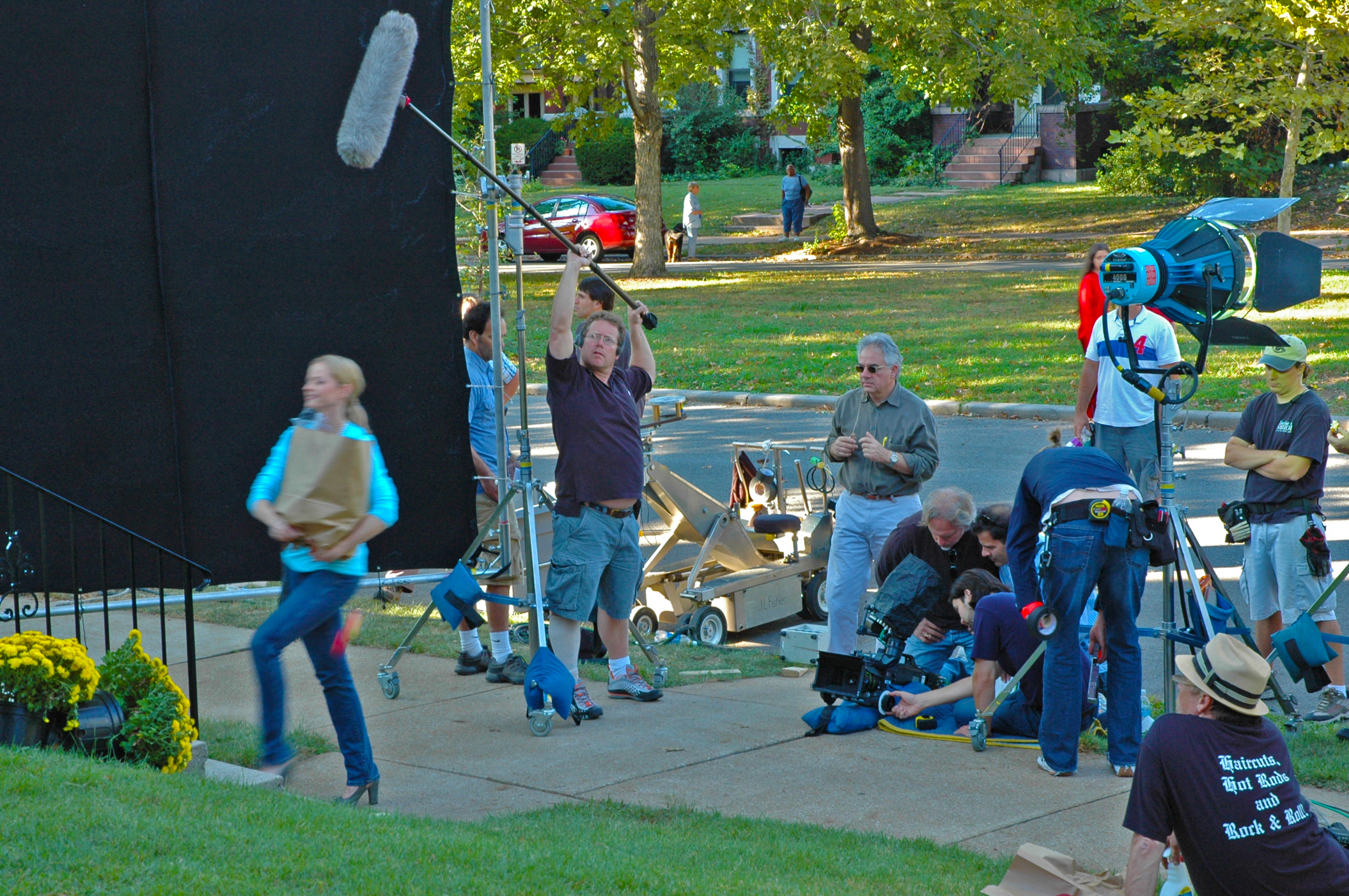
Utilize the latest technology to streamline your production process. High-quality cameras that can shoot both photos and videos are a valuable asset. Drones, gimbals, and other specialized equipment can enhance both photography and video shoots, providing unique perspectives and smooth, professional footage. Additionally, consider using software tools that facilitate collaboration and project management.

Post-production Synergy

In post-production, maintaining a cohesive look and feel is crucial. Use the same color grading, editing styles, and effects for both photos and videos. Consistent post-production treatment ensures that the final outputs are visually harmonious. Additionally, repurposing content across different media can maximize your investment. For example, still frames from videos can be used as promotional images, and behind-the-scenes photos can enhance the storytelling of your video projects.

Partner with the Experts: St Louis Video Production Crews

At St Louis Video Production Crews, we specialize in integrating the efficiencies of photography and video production to deliver outstanding results for our clients. As a full-service professional commercial photography and video production company, we offer a comprehensive range of services, including studio and location shoots, editing, post-production, and licensed drone operations.

Our experienced creative crew is adept at customizing productions to meet diverse media requirements. We excel in repurposing your photography and video branding to maximize traction, ensuring your content is versatile and impactful across various platforms. Our team is proficient in all file types, styles of media, and accompanying software, providing a seamless and efficient production experience.

Our private studio is ideal for small productions and interview scenes, with ample space for props to enhance your set. From private custom interview studio setups to providing sound and camera operators, we have everything you need to make your next video production perfect. Our specialized drones are capable of indoor flights, adding a unique dimension to your projects.

St Louis Video Production Crews has collaborated with numerous businesses, marketing firms, and agencies in the St. Louis area, delivering exceptional corporate photography and video services. Trust us to bring your vision to life with the perfect blend of creativity, technical expertise, and efficiency.


By integrating photography and video in your production processes, you can enhance your storytelling, maintain consistent branding, and achieve cost and time efficiencies. Partner with St Louis Video Production Crews to leverage our expertise and experience in creating powerful visual content that drives results for your business.

videocrewsstlouis@gmail.com

314-913-5626

The Ideal Length: Finding the Perfect Duration for Your Business Video

In today’s fast-paced digital world, video has become an essential tool for businesses to effectively communicate their brand message and engage with their target audience. Whether it’s a promotional video, a product demonstration, or a company profile, the length of your business video plays a crucial role in capturing and retaining viewer attention. Finding the ideal duration for your video is a balancing act that requires careful consideration of your content, audience, and marketing goals. In this article, we will explore the factors to consider when determining the perfect duration for your business video.

Determining the ideal length for your business video is not a one-size-fits-all approach. It requires continuous testing, analyzing performance metrics, and adapting based on the data.

The Attention Span Challenge

One of the biggest challenges businesses face when creating videos is capturing and maintaining viewer attention. With so much content vying for attention online, viewers have developed shorter attention spans. According to a study conducted by Microsoft, the average human attention span has decreased from 12 seconds in 2000 to just 8 seconds in 2023. This means that businesses have a limited amount of time to engage their audience and convey their message effectively.

Understanding Your Target Audience

Before diving into video production, it’s crucial to understand your target audience. Different demographics and target markets have varying preferences and attention spans. Consider the age, interests, and behaviors of your audience. Are they millennials who are used to consuming short, bite-sized content? Or are they professionals who prefer more in-depth and informative videos?

For younger audiences or social media platforms, shorter videos tend to perform better. Platforms like Instagram and TikTok have popularized short-form videos with durations ranging from 15 seconds to one minute. These platforms thrive on quick, attention-grabbing content that can be easily consumed and shared.

On the other hand, if your target audience consists of professionals or B2B clients, they may prefer longer videos that provide detailed information and establish your expertise. For educational or instructional videos, longer durations may be necessary to cover all the necessary content and ensure viewers have a comprehensive understanding of the topic.

Tailoring Content to Video Length

Once you have a clear understanding of your target audience, it’s essential to align your video content with the chosen duration. The goal is to create a compelling narrative that captures attention, conveys your message effectively, and leaves a lasting impression.

For shorter videos, focus on concise and impactful storytelling. Grab viewers’ attention within the first few seconds, use engaging visuals, and keep the pacing fast. Consider using dynamic editing techniques, such as quick cuts or time-lapse, to maintain viewer interest. Ensure that the main message is clear and easy to understand within the limited time frame.

Longer videos provide an opportunity to dive deeper into your brand story or product features. However, it’s crucial to maintain a balance between providing valuable information and keeping the viewer engaged. Break down the content into logical sections or chapters to make it easier to digest. Use a mix of visuals, interviews, and graphics to enhance the storytelling experience and maintain viewer interest.

The Importance of Video Context

The context in which your video will be consumed is another critical factor to consider when determining the duration. Will it be featured on your website’s homepage, shared on social media, or used in a presentation? Understanding the platform and viewing environment will help you tailor the length accordingly.

Shorter videos work well on social media platforms, where users often have limited time and scroll quickly through their feeds. On platforms like Facebook or LinkedIn, videos with durations between 30 seconds to two minutes tend to perform best. These videos can provide a quick introduction or teaser, encouraging viewers to click for more information.

On your website, you have more control over the viewer’s attention. Longer videos, ranging from two to five minutes, can be effective for showcasing your brand, product, or service in more detail. A well crafted homepage video can engage visitors and provide a comprehensive overview of your business, allowing them to connect with your brand on a deeper level.

In a presentation or conference setting, the duration of your video may be determined by the time allotted for your speech or session. It’s important to respect the time constraints and deliver a video that effectively supports your presentation without exceeding the allocated time. Be mindful of the overall agenda and ensure that your video adds value to the audience’s experience.

Testing and Analyzing Performance

Determining the ideal length for your business video is not a one-size-fits-all approach. It requires continuous testing, analyzing performance metrics, and adapting based on the data. Monitor viewer engagement, click-through rates, and conversion rates to gain insights into how your audience responds to different video lengths.

A/B testing can be a valuable tool in understanding what resonates best with your audience. Create multiple versions of your video with different durations and analyze the performance of each version. This data-driven approach will provide you with concrete evidence of what works best for your target audience.

Additionally, pay attention to viewer retention metrics provided by platforms like YouTube or Vimeo. These metrics can give you an idea of when viewers start dropping off, indicating potential areas for improvement or where the video may be losing their interest.

The Role of Professional Video Production

Creating high-quality, engaging videos that align with your branding and marketing goals requires the expertise of a professional video production company. St. Louis Video Production Crews is a full-service commercial video production company based in St. Louis, dedicated to helping businesses effectively communicate their brand message through video.

With our extensive experience in the industry, we understand the nuances of video production and can tailor the length of your business video to optimize audience engagement. We work closely with our clients to understand their target audience, marketing objectives, and video distribution platforms. Our team of videographers, producers, and editors will collaborate with you to create compelling videos that capture attention and deliver your message effectively.

At St. Louis Video Production Crews, we offer a range of services to meet your video production needs. From scriptwriting and storyboarding to filming, editing, and post-production, we handle every aspect of the production process. Whether you require a short promotional video or a longer educational piece, we have the skills and expertise to bring your vision to life.

As experienced video producers, St. Louis Video Production Crews delivers quickly and wants to surpass your projected return on investment with the utmost quality in mind. Our goal is to create videos that not only engage your audience but also drive results for your business. With our professional touch and attention to detail, you can trust us to deliver videos that enhance your branding and business marketing communications.

In conclusion, finding the ideal length for your business video is a crucial step in maximizing its impact and engaging your target audience. By understanding your audience, tailoring your content, considering video context, and analyzing performance metrics, you can determine the perfect duration for your video. And when it comes to professional video production, St. Louis Video Production Crews is your trusted partner. Contact us today to discuss your video production requirements and let us help you elevate your brand through the power of video.

As experienced video producers, St. Louis Video Production Crews delivers quickly and wants to surpass your projected return on investment with the utmost quality in mind. Contact us today to discuss your video production needs and let us help you create impactful videos for your branding and business marketing communications.

videocrewsstlouis@gmail.com

314-913-5626

How to Write a Script for Your Video Production

You’ve got an idea for a video production, but how do you turn that into a script? Whether you’re intending to produce an informative video or something more lighthearted and comedic, the process for writing a script is the same. A script is essentially a detailed plan of what will happen in your video and when – it’s not as scary as it sounds! Once you understand the basics, creating a script for your video is easy.

Determine the length of your script

The very first thing you need to do when creating a script is decide how long you want your video to be. If you’re creating a video for your business, you may have certain goals or outcomes you want from the video in mind, in which case you’ll need to create a video of a certain length. If you’re creating a video for fun, you may want to create a video that’s of a certain length to fit with a popular video challenge like the ASMR challenge. It’s important to know the length of your script before you begin writing so you don’t get halfway through and realize you’re trying to fit too much into too little time!

Write a Script Outline

Script brainstorming session

Once you know how long your script should be, you can begin to draft an outline of your script. There are lots of different ways to write a script outline, but the basics of all of them are the same. – Start with your introduction – What will you say to introduce your video? Your introduction should include any necessary backstory and set the scene for the video. – What is the main point of your video? What do you want your audience to walk away with? Put this at the center of your script outline. – What are your goals for the video? What do you want your audience to do or understand after watching your video? – What are the sub-points you want to include in your video? These should relate back to the main point of your video. – Is there anything else you want to cover in the video? You may have a few extra points you want to emphasize or you may want to add some humor.

Decide on Your Video’s Purpose

Once you’ve written an outline of your script, you can start to think about the purpose of your video. What do you want your viewers to take away from your video? Some videos are meant to inform, while others are meant to entertain. If you’re creating an informative video, you may want to create a how-to video, create a list, or create a product review. If you’re creating an entertaining video, you have lots of options, including creating comedy, creating a parlor trick, making a music video, or creating an ASMR video. The choice is yours and it’s important to choose a purpose before you write your script as it will affect what you write and how you write it.

Add any narration or voice-over

Voice over narration for a video script

Once you’ve got your script written and you know where you want to film, you can start to think about any narration or voice-over you want in your script. If your video is intended to be informative, you may want to include some narration in your script to help break up the content. If your video is intended to be entertaining, you may want to include a voice-over. The voice-over is essentially the same as narration but is usually done in a more comedic or lighthearted way. If you’re creating a comedy skit, you may want to include some voice-over in your script.

314-913-5626
Mike Haller, St Louis Video Crew Chief
videocrewsstlouis@gmail.com

Experienced production crews creating professional videos that produce results.

Our mission is to be the trusted storytellers that shine a light on stories that need to be told, doing so with the brightest and most creative talent, for the world’s top brands and companies.

We offer HD video production on location or in our studio, post-production and finishing including editing and motion graphics. From short promotional videos and commercial spots to documentaries and long formal broadcast programming, we provide a customized approach to every project that best suits your specific needs, budget and requirements.

314-913-5626
Mike Haller, St Louis Video Crew Chief
videocrewsstlouis@gmail.com

ENG / EFP Camera Crews in St. Louis

Our full-service video production company can handle all aspects of your business or organization’s video production needs. We work with Fortune 500 companies, small businesses and non-profit organizations to create high-quality corporate videos and branded content.

We specialize in script writing, camera operations, location scouting, voice over composition, talent searching, filming, and post-production.

St. Louis video production crews

Our video crew combines our passion for storytelling and love of production to create compelling content to engage and motivate your audience.

314-913-5626
Mike Haller, St Louis Video Crew Chief
videocrewsstlouis@gmail.com

How to use a teleprompter | St Louis Video Production Crews

We’re very experienced with all the latest teleprompters and software available.  We’ll help your talent ge up and reading quickly for your next video production in St. Louis.

CONNECTING YOUR BUSINESS WITH OUR GREAT PRODUCTION CREW.

With film and video content more popular than ever, we help accomplish whatever you might need to make content to delight your target audiences. No matter what goals you want to achieve, we’ll make sure you have what you need to make your ideas become a reality.

314-913-5626
Mike Haller, St Louis Video Crew Chief
videocrewsstlouis@gmail.com

Video Crews St Louis Missouri | Full Service Production and Post

The Perfect Video Crew For Your Production

Whether you need to create a corporate training video, pick up B-roll footage of a new facility opening, capture client testimonials, shoot a medical procedure, or cover a live event, we will match you with the perfect local video crew for your project.

dsc_0068

314-892-1233
Robert Haller, St Louis Video Producer
St Louis Video Production Companies
videocrewsstlouis@gmail.com