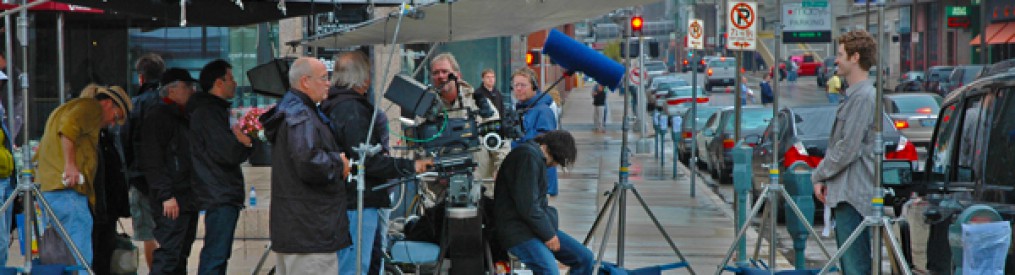
What Are the Different Types of Video Production Crews?

In the world of corporate photography and video production, understanding the different types of video production crews can make a significant difference in the outcome of your project. As decision-makers in your organizations, you need to be aware of the options available to you and how to best leverage them to achieve your goals. Whether you’re producing a commercial, a corporate training video, or a brand story, the right crew can elevate your production from good to exceptional.

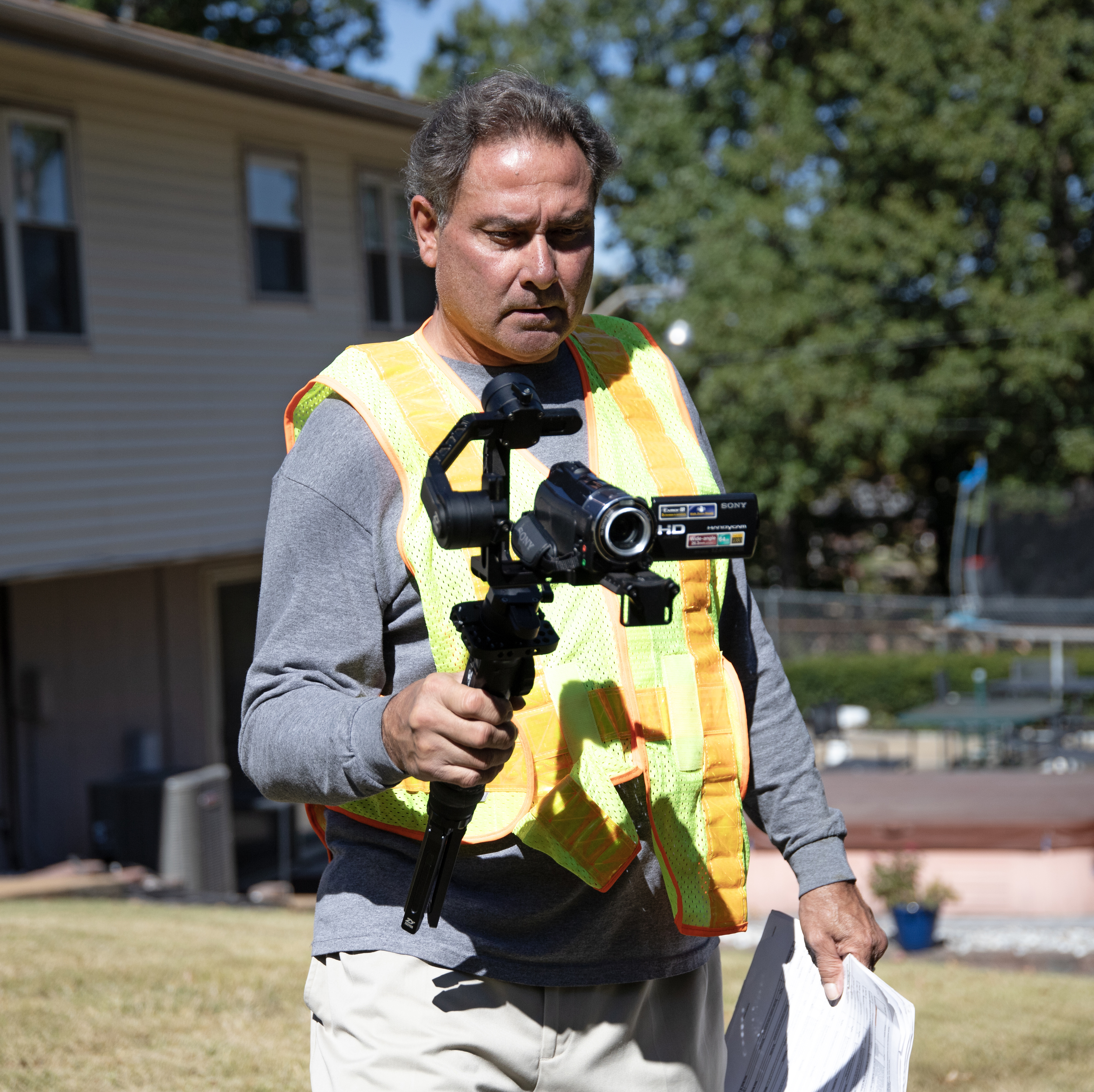
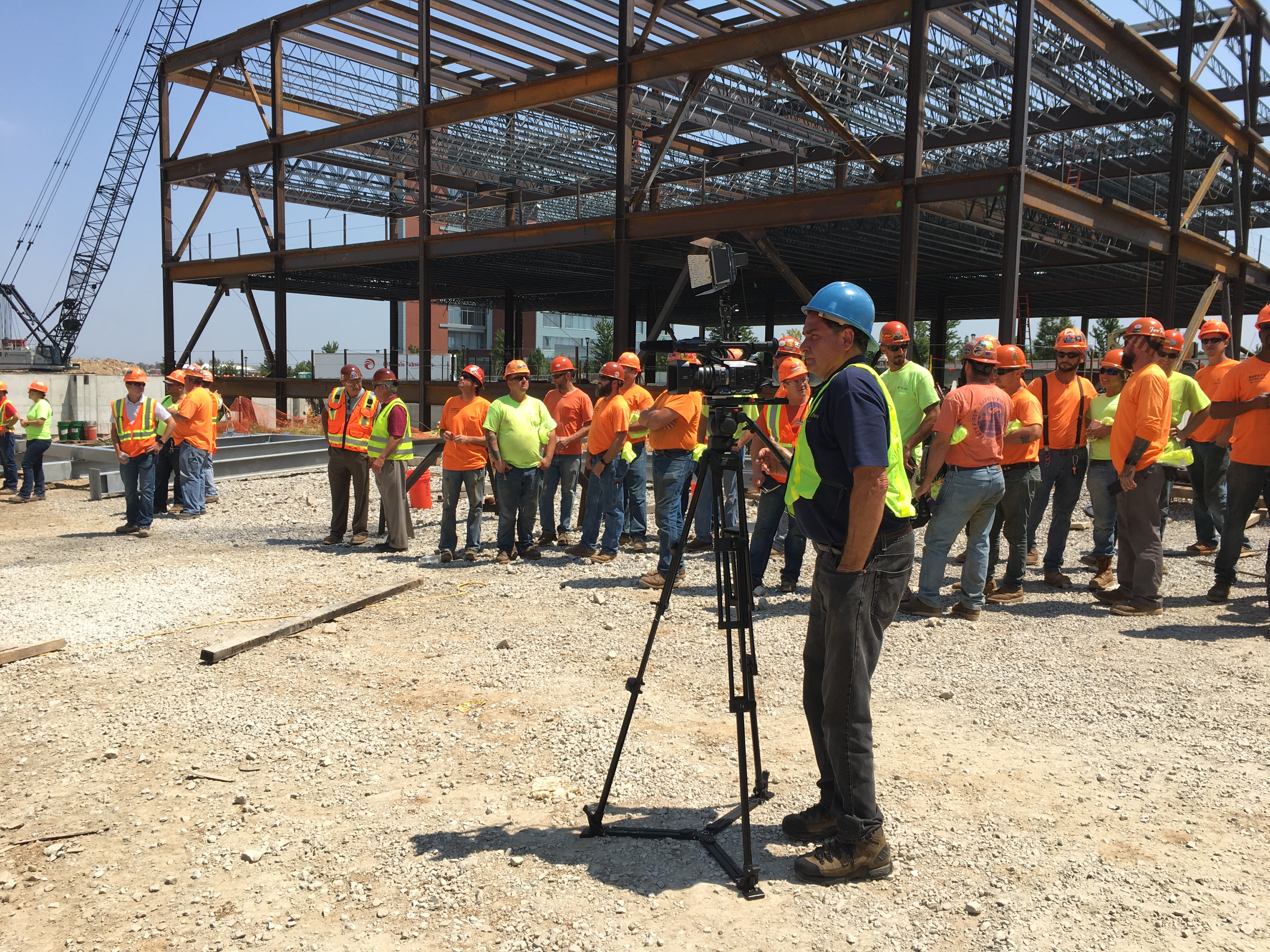
Add a drone pilot to help crew your next video shoot.

1. Full-Service Video Production Crews

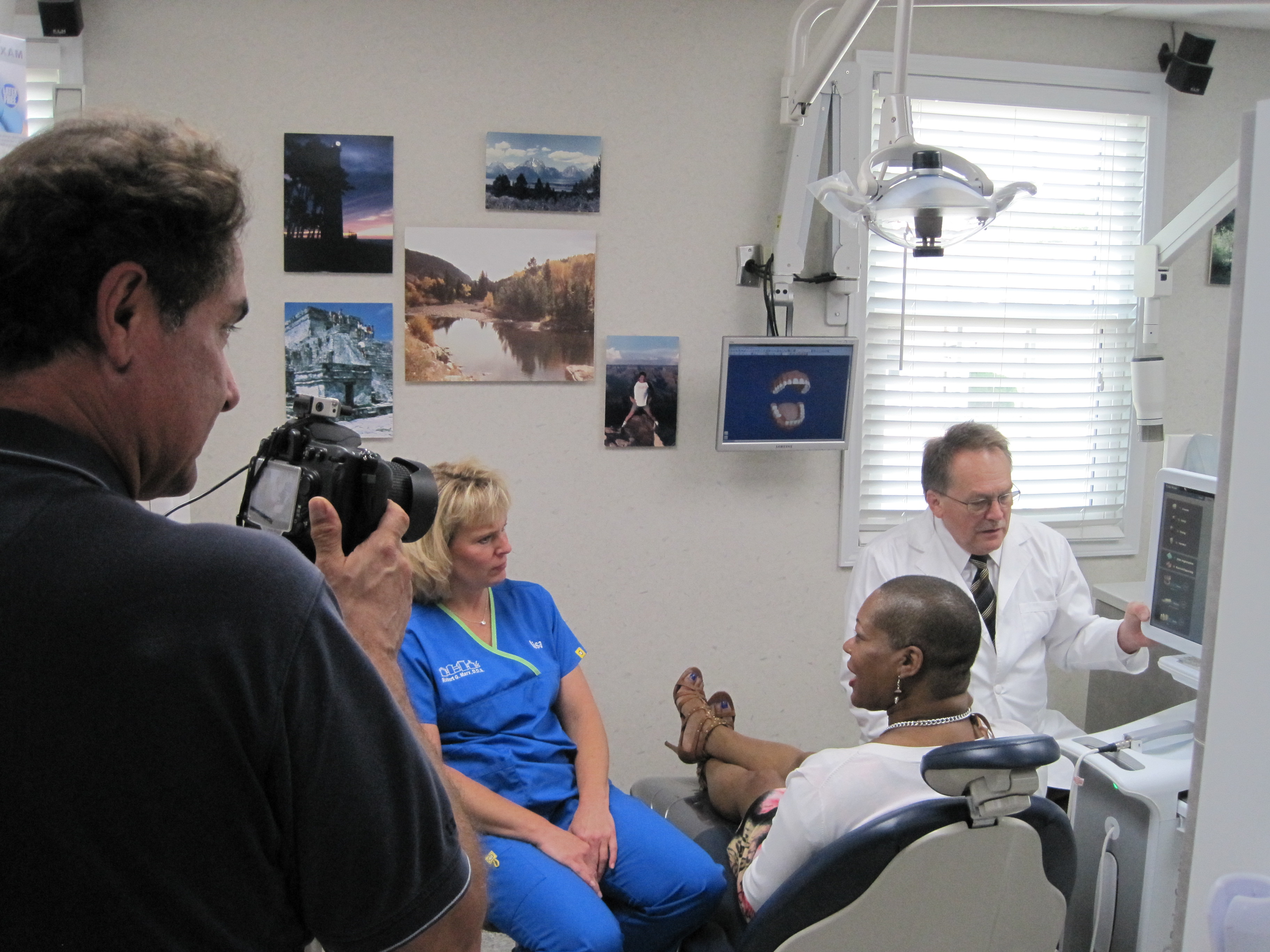
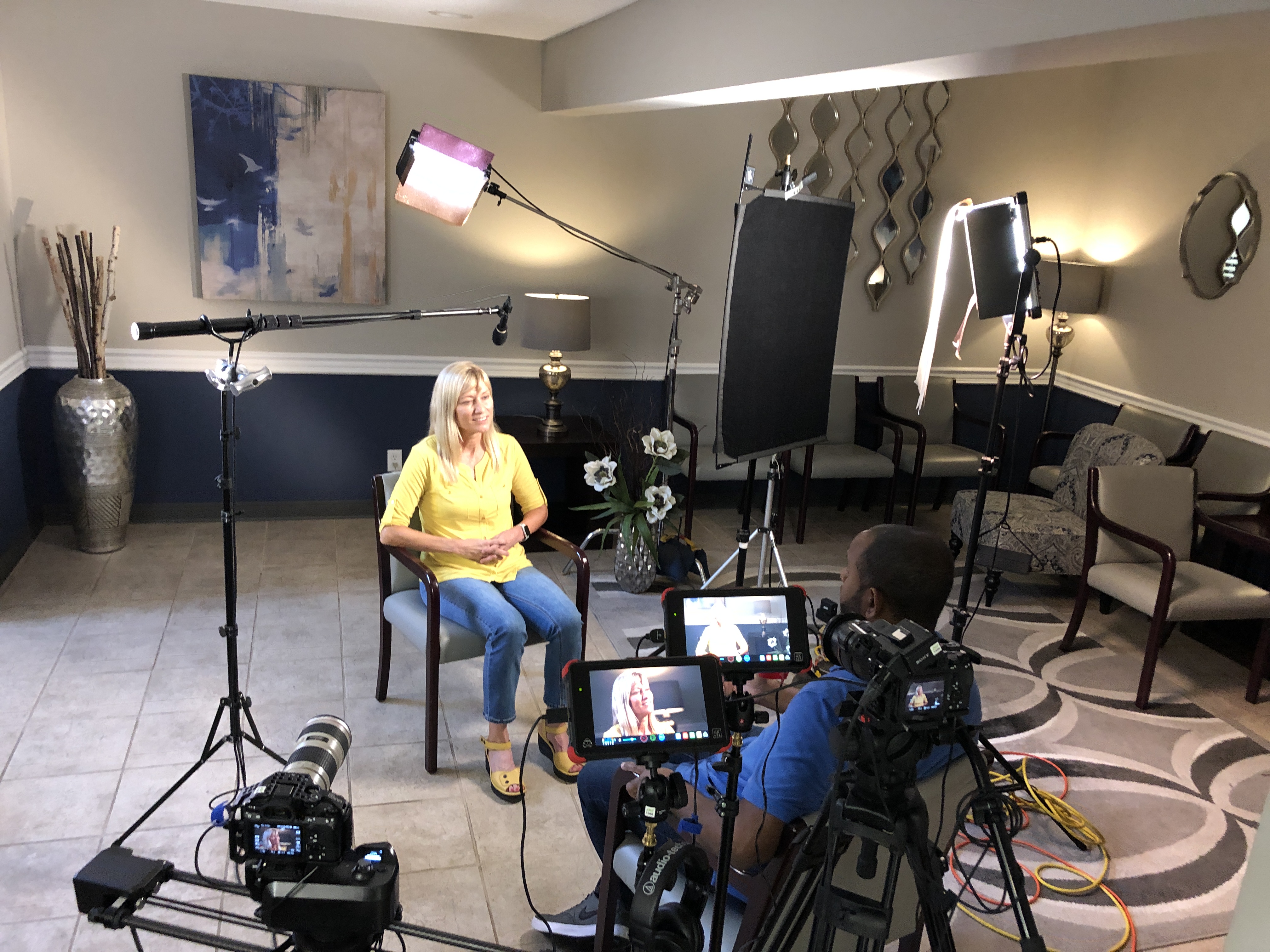
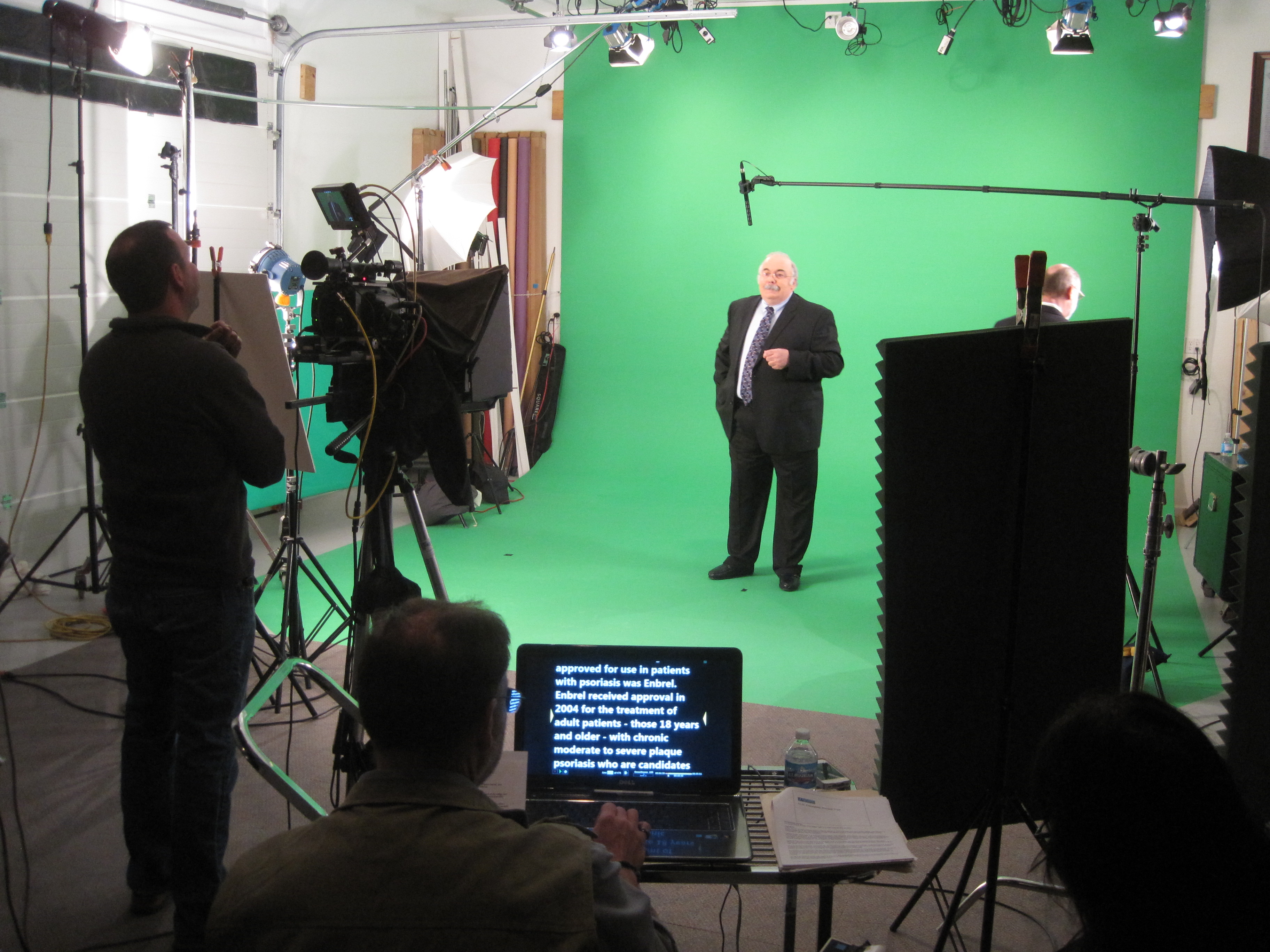
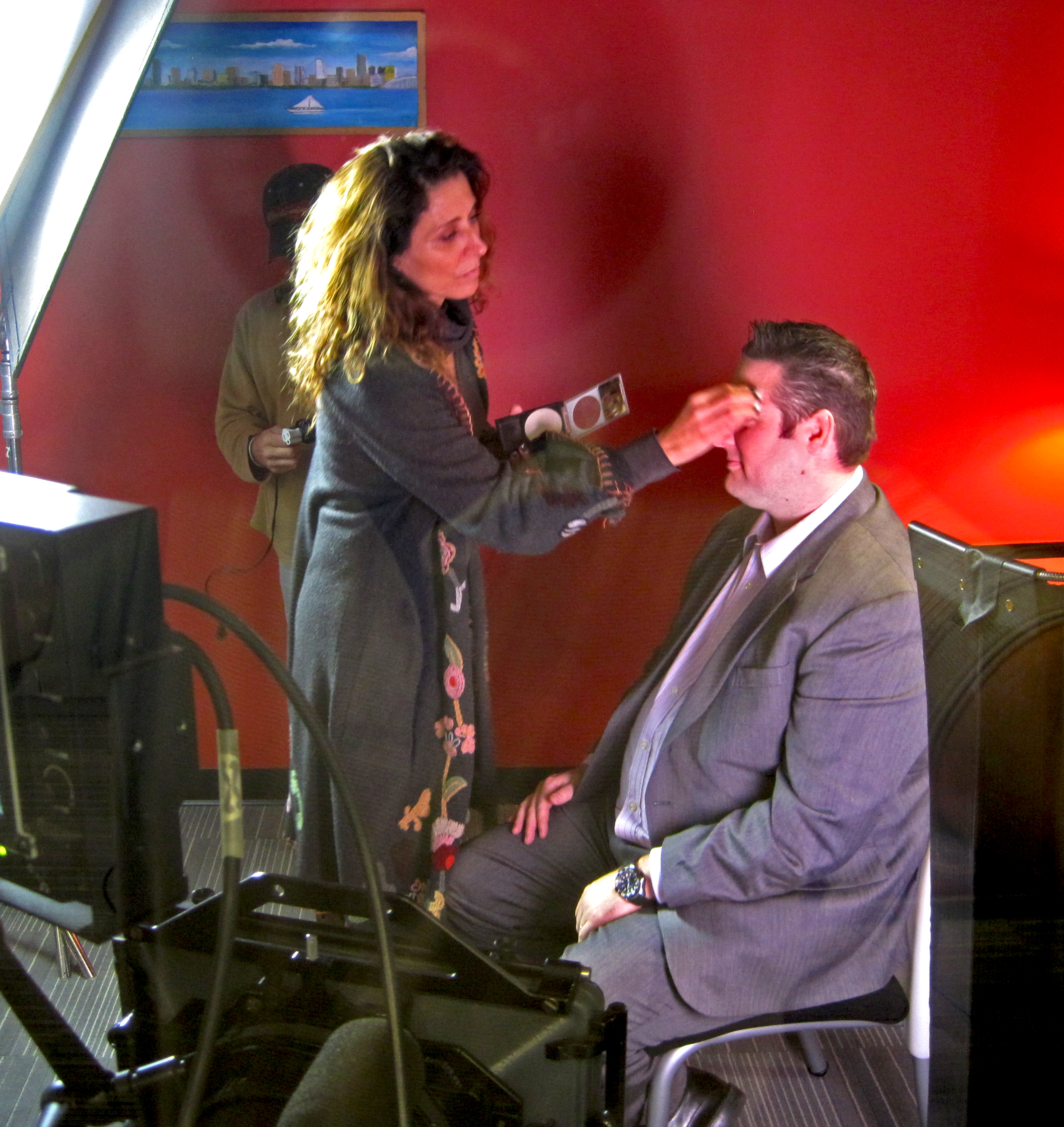
Full-service video production crews handle every aspect of a production from start to finish. These crews are ideal for businesses that require a comprehensive approach to video production, including pre-production planning, on-set production, and post-production editing. They consist of directors, producers, camera operators, sound technicians, lighting specialists, and editors. This type of crew is particularly beneficial for larger productions where the scope and scale of the project require a team with diverse expertise and extensive resources.

2. Specialized Video Crews

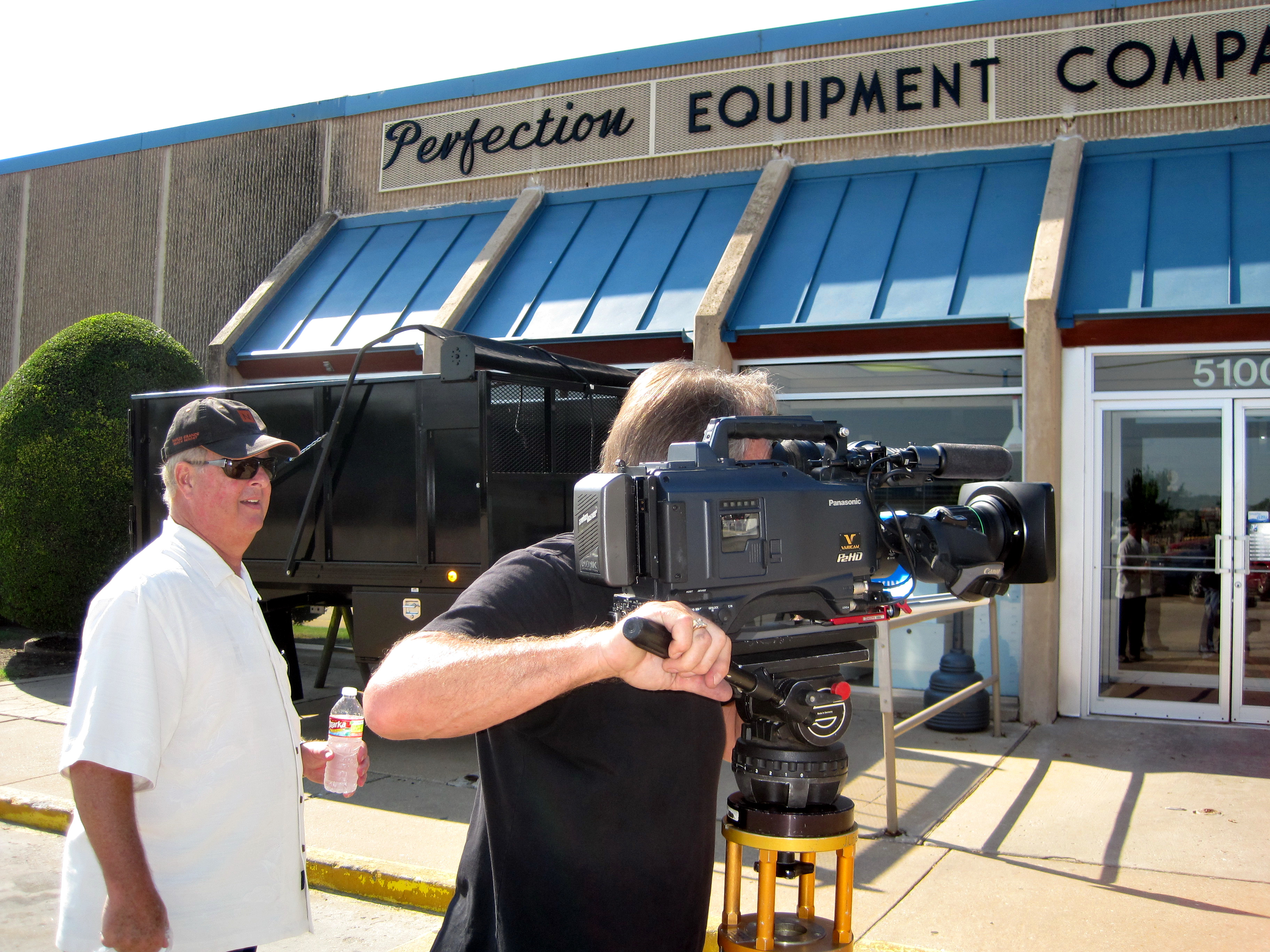
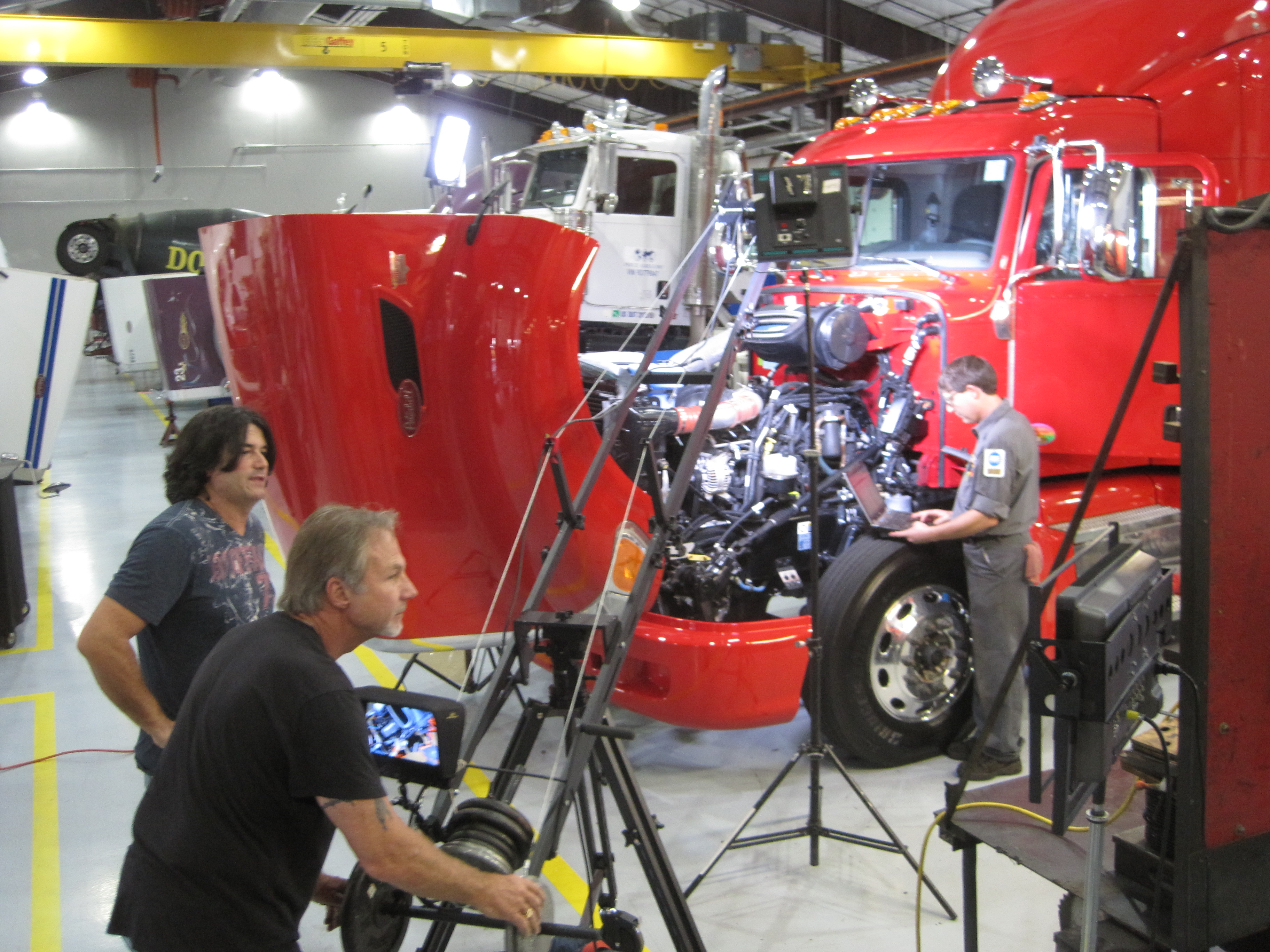
Specialized video crews focus on specific aspects of production. These crews might be brought in for particular tasks such as drone videography, underwater filming, or specialized camera work like Steadicam or crane shots. Businesses looking to add a unique element to their video—such as aerial shots of their facilities—would benefit from hiring a specialized crew. These teams bring niche skills and equipment that can provide the precise creative or technical advantage needed for certain scenes.

3. Corporate Video Crews

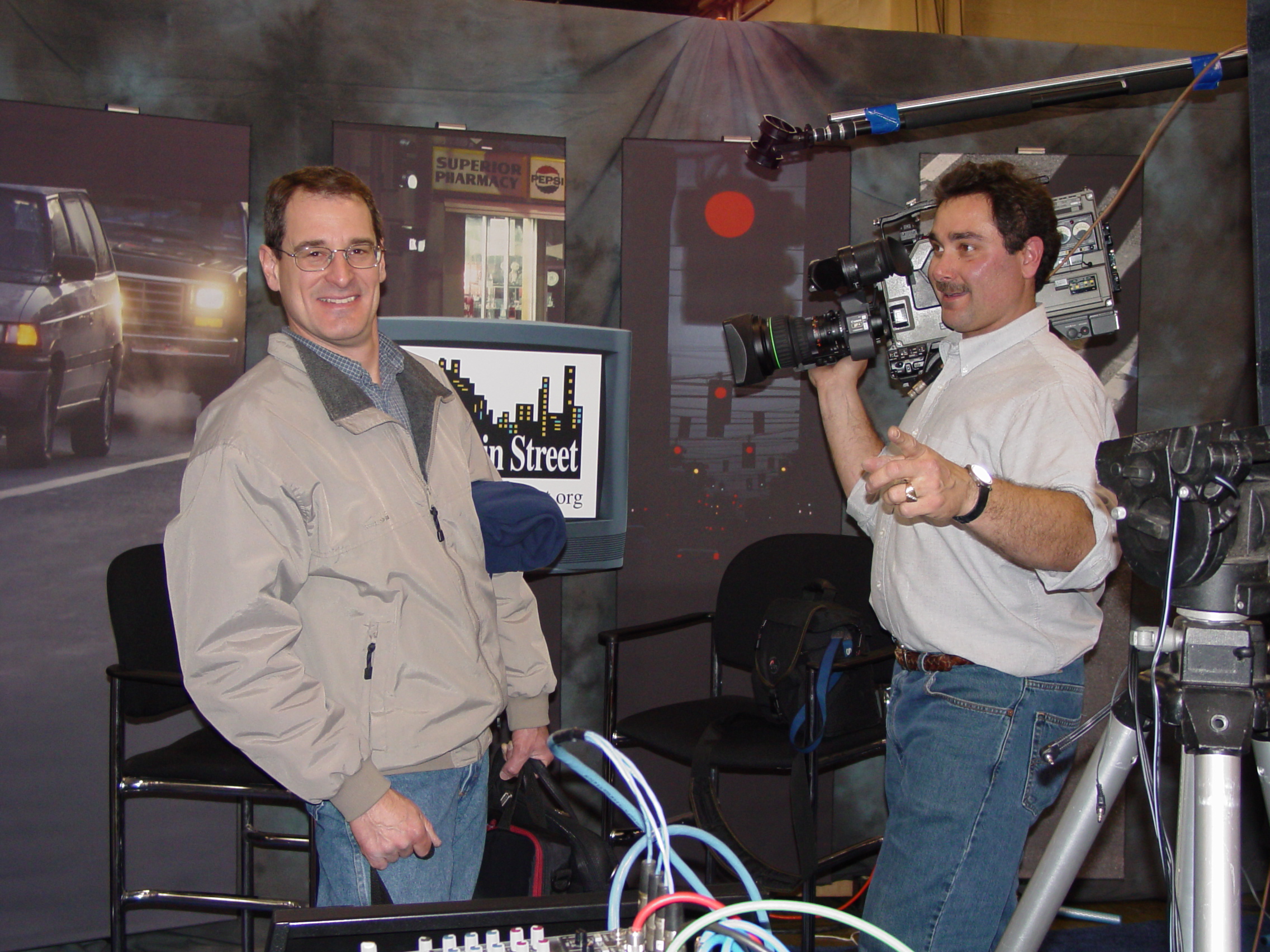
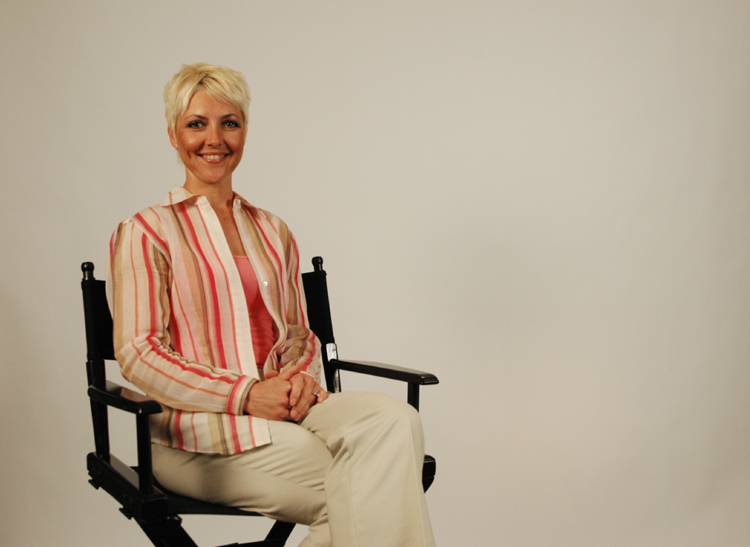
Corporate video crews are experienced in producing videos specifically tailored to business needs. They excel in creating content like promotional videos, internal training videos, corporate interviews, and testimonials. These crews understand the nuances of corporate messaging and branding, ensuring that the final product aligns with the company’s vision and objectives. Working with a corporate video crew can streamline the process, as they are adept at handling the logistics and protocols associated with corporate environments.
4. Commercial Video Crews

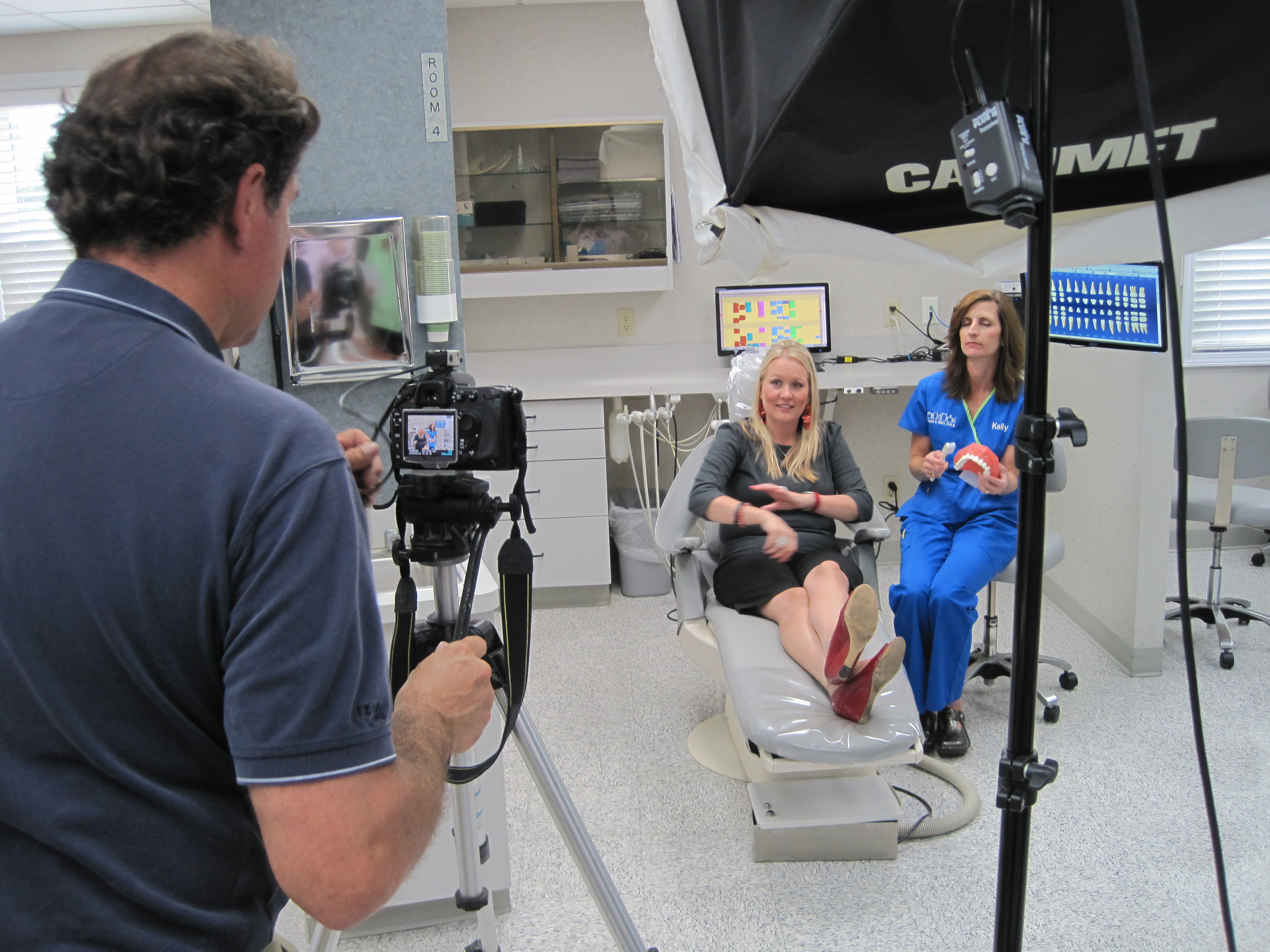
Commercial video crews specialize in producing high-quality advertisements. These teams are experienced in working with tight deadlines and high expectations, often collaborating closely with marketing teams and agencies. They bring a creative edge to productions, ensuring that the video stands out in a crowded marketplace. With expertise in visual storytelling, these crews craft compelling narratives that resonate with target audiences, ultimately driving brand engagement and sales.

5. Documentary Video Crews

Documentary video crews are adept at capturing real-life events and stories. These crews are particularly skilled at working in unpredictable environments and adapting to changing circumstances. They are ideal for businesses looking to produce content that feels authentic and engaging. Whether it’s a behind-the-scenes look at your company, a customer success story, or a social responsibility initiative, a documentary crew can bring your story to life with a sense of realism and impact.

6. Event Video Crews

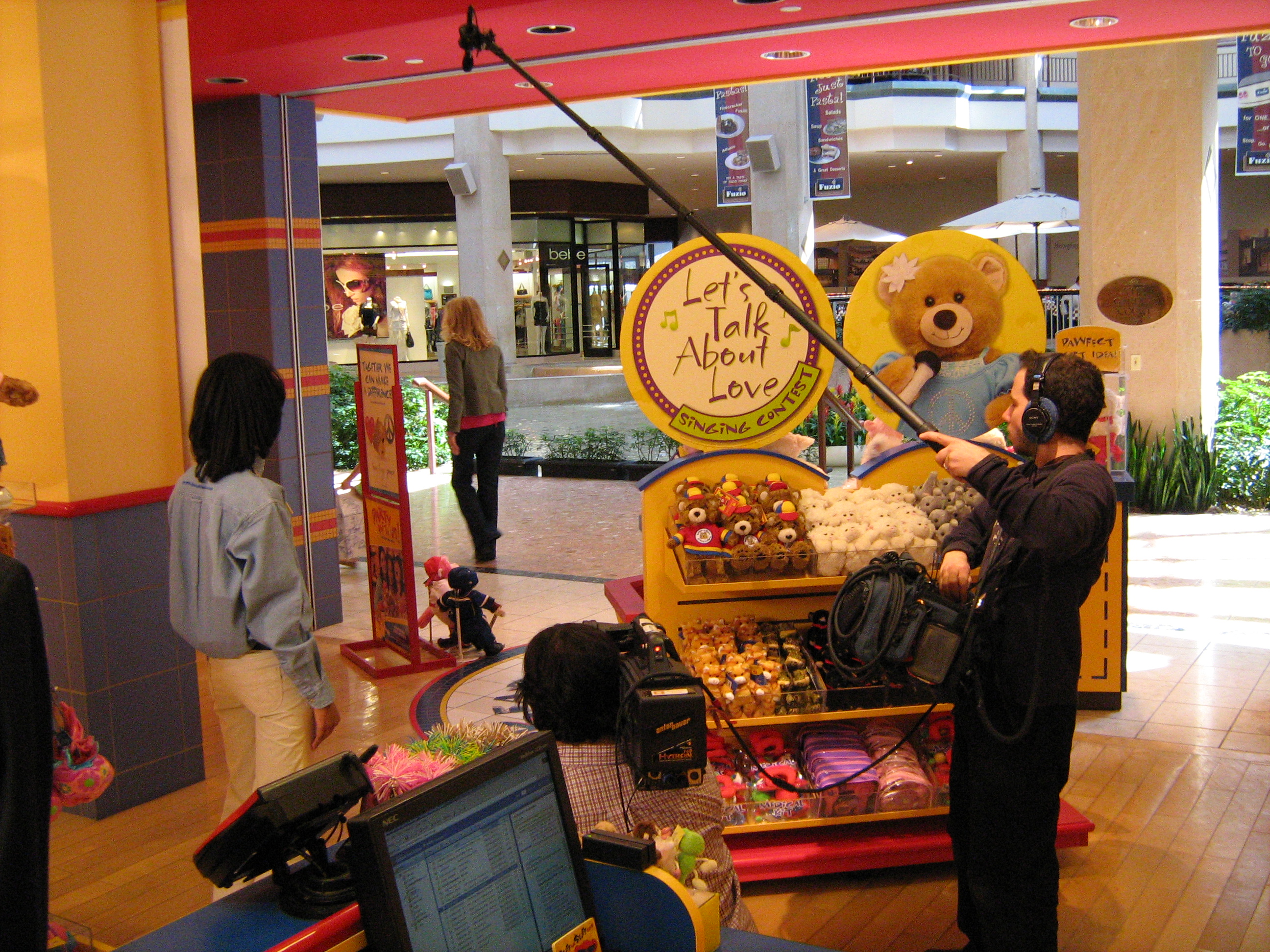
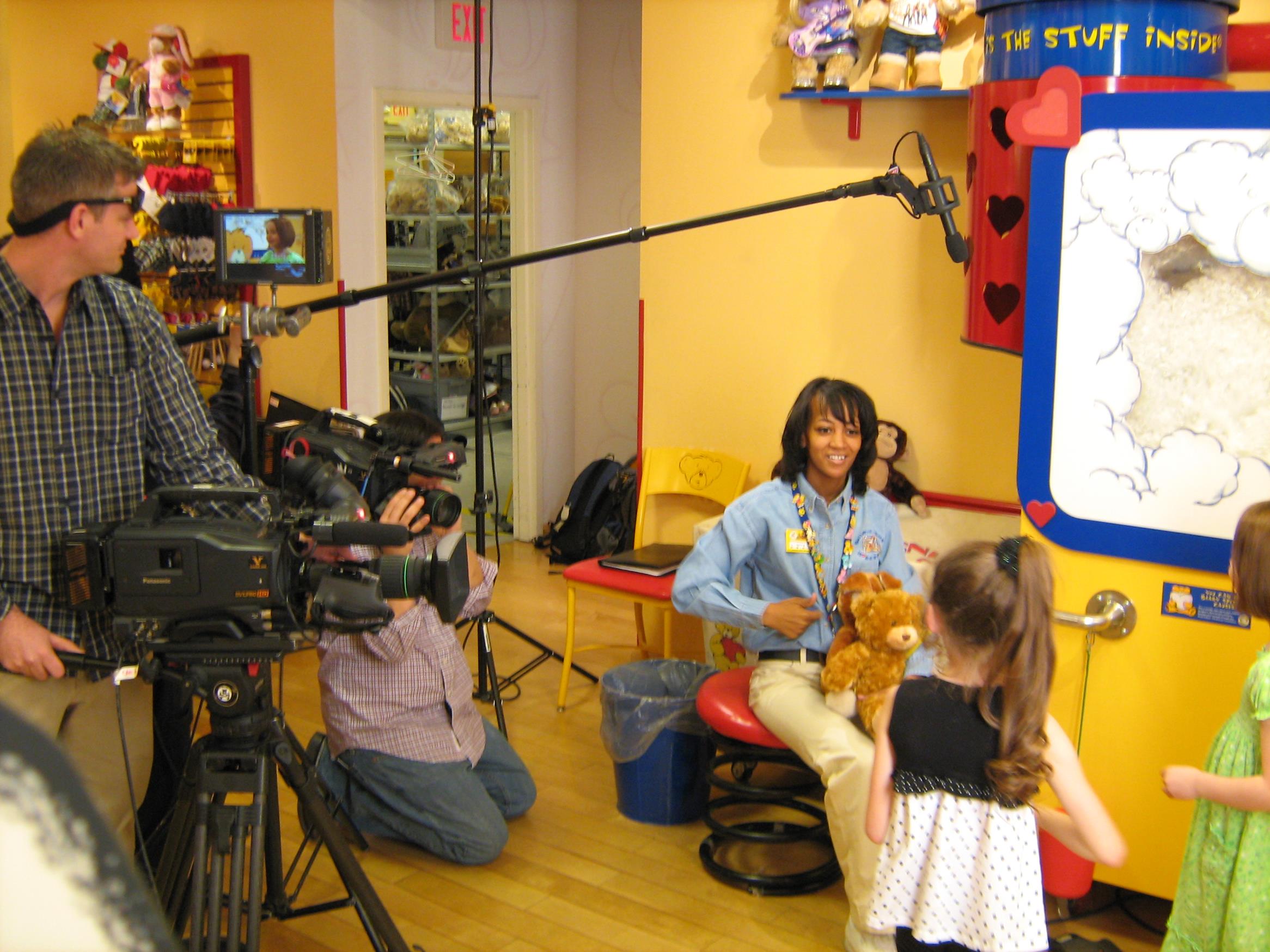
Event video crews specialize in capturing live events, including conferences, seminars, product launches, and trade shows. These crews are equipped to handle the fast-paced, dynamic nature of live events, ensuring that all critical moments are captured seamlessly. They often include multiple camera operators to cover different angles, as well as sound and lighting technicians to ensure high production quality even in challenging environments. Event video crews are essential for businesses that want to document and later repurpose event footage for marketing or internal use.

7. Post-Production Crews

While not on-site during filming, post-production crews play a critical role in the video production process. These teams handle editing, sound design, color correction, and visual effects, bringing the raw footage to its final polished form. Businesses looking to elevate their video content will find the expertise of a skilled post-production crew invaluable. They can turn ordinary footage into extraordinary content, ensuring that your message is communicated effectively and professionally.

Why Choose St Louis Video Production Crews?

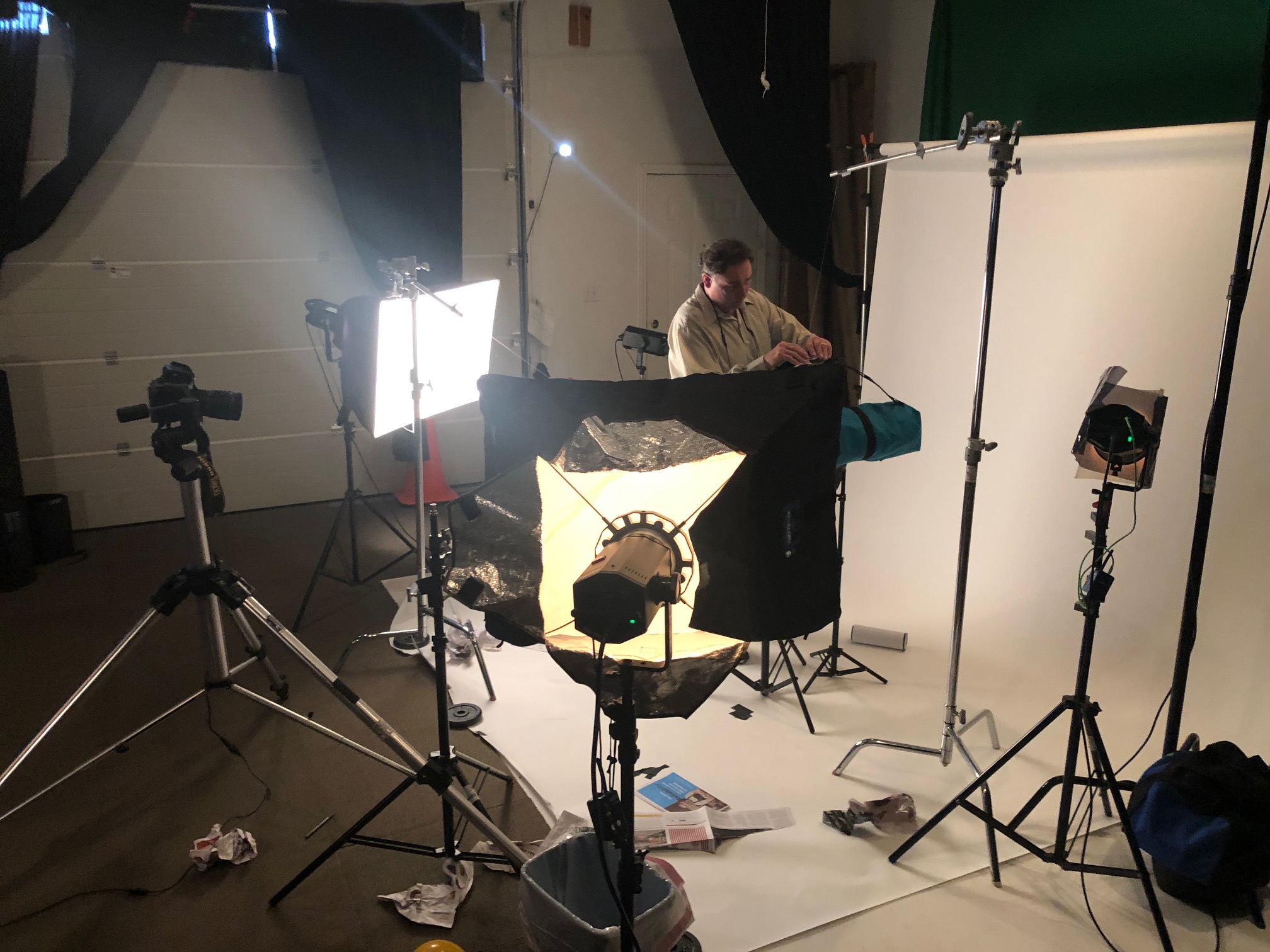
At St Louis Video Production Crews, we are a full-service professional commercial photography and video production company with the right equipment and creative crew service experience for successful image acquisition. We offer full-service studio and location video and photography, as well as editing, post-production, and licensed drone pilots. Whether you need a comprehensive video production from start to finish or specialized services, we can customize your production for diverse types of media requirements.

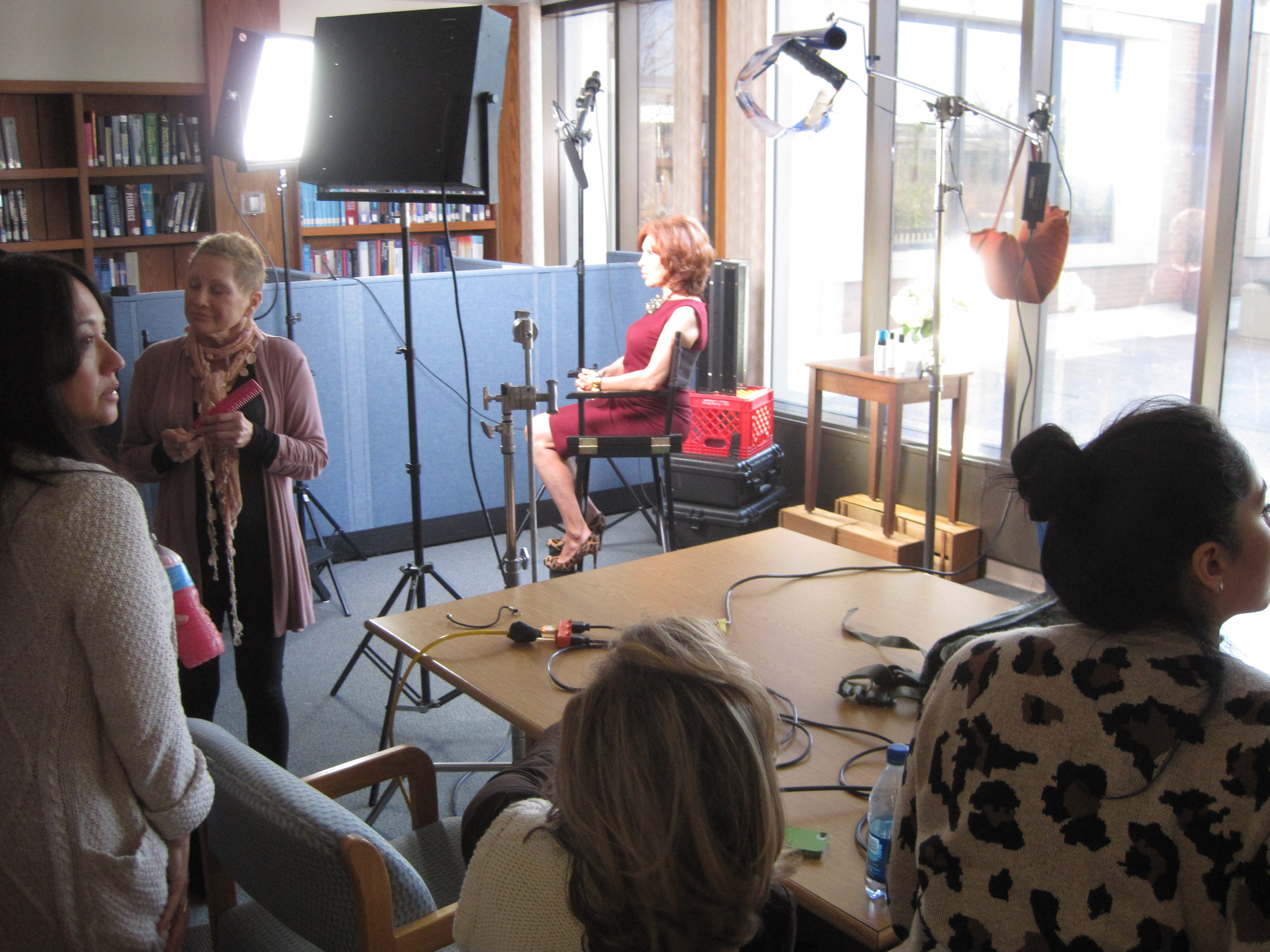
Repurposing your photography and video branding to gain more traction is one of our specialties. We are well-versed in all file types and styles of media, along with the accompanying software needed to deliver exceptional results. Our private studio lighting and visual setup is perfect for small productions and interview scenes, and it’s large enough to incorporate props to round out your set.

From a private custom interview studio setup to providing sound and camera operators and specialized drones that can fly indoors, we have everything to make your next video production perfect. Since 1982, St Louis Video Production Crews has worked with many businesses, marketing firms, and agencies in the St. Louis area for their corporate photography and video needs. We bring decades of experience and a commitment to excellence to every project we undertake, ensuring that your vision becomes a reality.
videocrewsstlouis@gmail.com

314-913-5626

What Is A Production Crew?

In the world of photography and video production, the term “production crew” encompasses a diverse group of professionals who work together to bring a vision to life. Whether it’s a commercial, a corporate video, or a full-scale film, the success of any production hinges on the expertise and collaboration of these individuals. Understanding the structure and roles within a production crew is essential for decision-makers in businesses and organizations looking to invest in high-quality visual content.

A small production crew is typically utilized for straightforward shoots such as interviews, small business promotions, or simple product demonstrations.

Small Production Crews

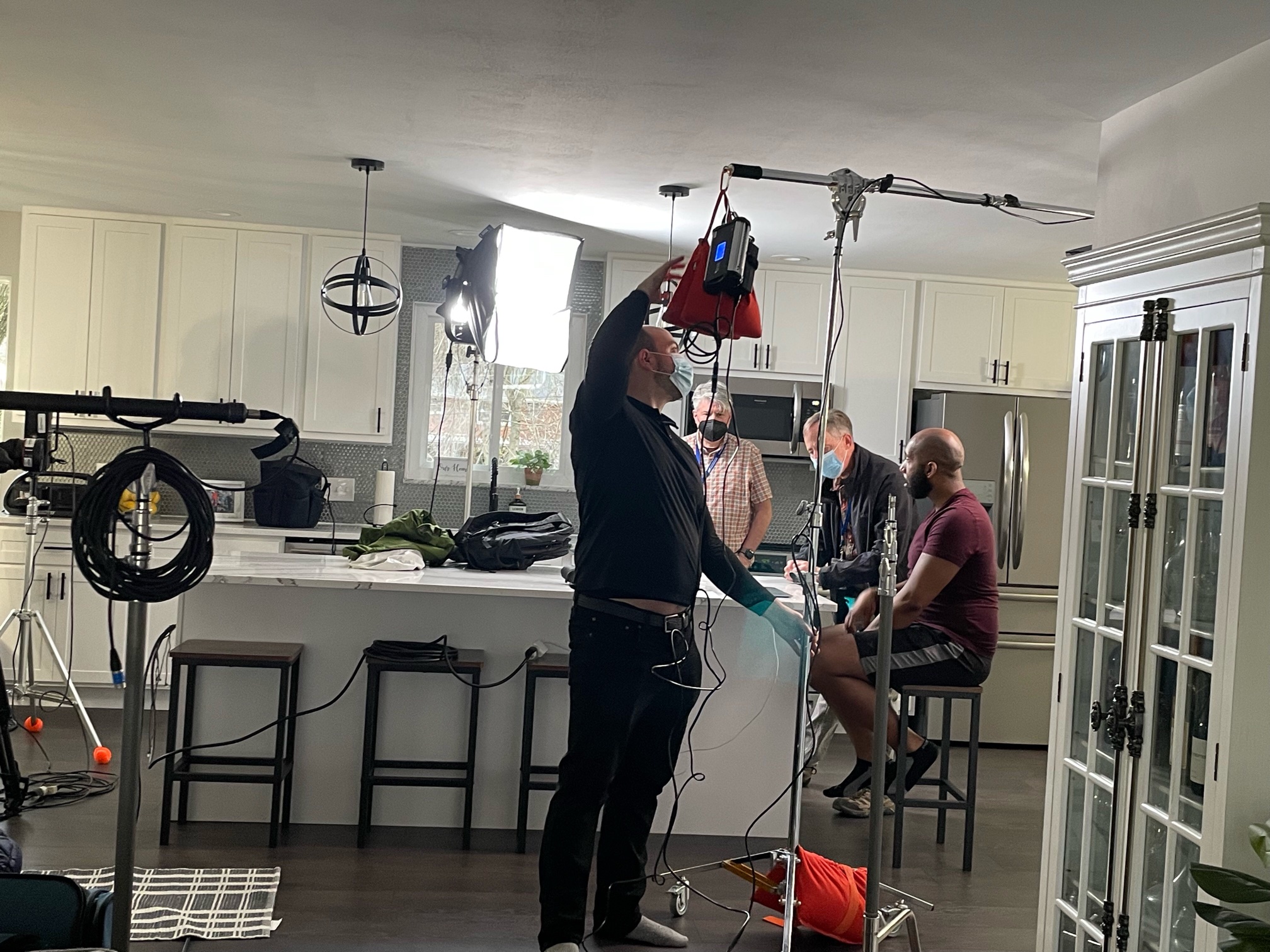
A small production crew is typically utilized for straightforward shoots such as interviews, small business promotions, or simple product demonstrations. These crews are efficient, flexible, and can operate with minimal equipment, making them ideal for quick turnarounds and budget-conscious projects.

Key Roles:

  1. Producer/Director: Often the same person in small crews, responsible for overseeing the project, making creative decisions, and ensuring the production stays on schedule and within budget.
  2. Camera Operator: Handles the camera setup, framing, and capturing footage as directed by the producer/director.
  3. Sound Technician: Manages audio equipment, ensuring clear and high-quality sound recording.
  4. Lighting Technician: Sets up and adjusts lighting to enhance the visual quality of the shoot.

Medium Production Crews

Medium production crews are suited for more complex projects such as corporate videos, promotional content, and short films. These crews have more specialized roles and equipment, allowing for a higher level of production value.

Key Roles:

  1. Producer: Oversees the entire production, manages the budget, and coordinates between different departments.
  2. Director: Focuses on the creative aspects, guiding the crew and talent to achieve the desired vision.
  3. Assistant Director (AD): Helps the director with scheduling, logistics, and managing the set.
  4. Director of Photography (DP): Responsible for the visual look of the film, working closely with the director on shot composition and lighting.
  5. Camera Operator: Operates the camera under the DP’s guidance.
  6. Sound Mixer: Ensures high-quality sound recording, often managing multiple microphones and sound sources.
  7. Gaffer: Head of the lighting department, responsible for implementing the lighting plan.
  8. Grip: Assists with setting up and maintaining lighting and rigging equipment.

Large Production Crews

Large production crews are necessary for feature films, major commercials, and extensive corporate productions. These crews are highly specialized and include a wide range of roles to handle the complexities of large-scale projects.

Key Roles:

  1. Executive Producer: Provides the financial backing and overall vision for the project.
  2. Producer: Manages day-to-day operations, including budget and scheduling.
  3. Director: Oversees the creative direction and execution of the film.
  4. Assistant Directors (1st AD, 2nd AD): Coordinate logistics, manage the shooting schedule, and ensure the director’s instructions are carried out.
  5. Director of Photography (DP): Develops the visual style and oversees the camera and lighting departments.
  6. Camera Operator: Operates the camera, following the DP’s instructions.
  7. Camera Assistants (1st AC, 2nd AC): Manage camera equipment, focus pulling, and slating.
  8. Sound Department (Mixer, Boom Operator): Captures and manages audio on set.
  9. Gaffer and Best Boy Electric: Lead the lighting team and manage electrical equipment.
  10. Key Grip and Best Boy Grip: Handle rigging, lighting setups, and camera movement.
  11. Art Department (Production Designer, Set Decorator, Prop Master): Create and maintain the visual aesthetic of the set.
  12. Hair and Makeup Artists: Ensure the talent’s appearance aligns with the director’s vision.
  13. Wardrobe/Costume Designers: Design and manage costumes for the talent.
  14. Production Assistants (PAs): Provide support across various departments, handling tasks such as setting up equipment, managing paperwork, and ensuring the smooth operation of the set.

The Expertise of St Louis Video Production Crews

At St Louis Video Production Crews, we pride ourselves on being a full-service professional commercial photography and video production company with the right equipment and creative crew service experience for successful image acquisition. We offer full-service studio and location video and photography, as well as editing, post-production, and licensed drone pilots.

Our team can customize productions for diverse types of media requirements, ensuring that your photography and video branding gain maximum traction. We are well-versed in all file types and styles of media and accompanying software. Our private studio lighting and visual setup are perfect for small productions and interview scenes, while our studio is large enough to incorporate props to round out your set.

From a private custom interview studio setup to providing sound and camera operators to equipment, we have everything needed to make your next video production perfect. Our specialized drones can even fly indoors, adding a unique perspective to your shoots. Since 1982, St Louis Video Production Crews has worked with numerous businesses, marketing firms, and agencies in the St. Louis area for their corporate photography and video needs.

By choosing St Louis Video Production Crews, you are partnering with a team of experienced professionals dedicated to delivering high-quality visual content that meets your specific needs. Let us help you elevate your brand and communicate your message effectively through the power of photography and video.

4o

Strategies for the Marketing Team on Shooting Day for Business Videos

In today’s digital landscape, video content has become a cornerstone of successful marketing strategies. As a member of the marketing team, understanding the intricacies of shooting day for business videos is crucial for ensuring the production process runs smoothly and the final product effectively communicates your message to your audience. In this comprehensive guide, we’ll delve into essential strategies to optimize shooting days for business videos, ensuring maximum efficiency and quality.

Stick to the shooting schedule to maximize efficiency and productivity.

Preparing for the Shoot

1. Storyboarding and Scripting

  • Before the shooting day, collaborate with the video production crew to develop a storyboard and script. This provides a clear roadmap for the shoot, ensuring key messages are conveyed effectively.

2. Location Scouting

  • Scout locations in advance to identify suitable settings for the shoot. Consider factors such as lighting, acoustics, and background aesthetics to create visually appealing and professional-looking videos.

3. Equipment Check

  • Ensure all necessary equipment, including cameras, microphones, and lighting gear, is in working order and fully charged. Test equipment prior to the shoot to avoid any technical issues on the day.

On Set

1. Effective Communication

  • Maintain open communication with the production crew and talent throughout the shoot. Clearly convey expectations and provide direction to ensure everyone is aligned and working towards the same goals.

2. Optimizing Lighting and Sound

  • Pay close attention to lighting and sound quality during filming. Proper lighting enhances visual appeal, while high-quality audio is essential for clear communication. Make adjustments as necessary to achieve optimal results.

3. Managing Time Wisely

  • Stick to the shooting schedule to maximize efficiency and productivity. Allocate sufficient time for each scene or segment, but be flexible enough to adapt to unforeseen circumstances or creative opportunities that may arise.

Post-Production

1. Reviewing Footage

  • Review footage carefully to identify the best takes and shots for editing. Consider factors such as performance quality, framing, and continuity to select the most compelling footage for the final cut.

2. Editing and Enhancements

  • Work closely with the editing team to refine the footage and add any necessary enhancements, such as graphics or special effects. Ensure the final product aligns with the brand’s aesthetic and messaging.

3. Feedback and Revisions

  • Solicit feedback from stakeholders and team members to fine-tune the video as needed. Address any concerns or suggestions promptly to ensure the final product meets expectations and objectives.

Conclusion

Effective collaboration between the marketing team and video production crew is essential for successful business video shoots. By following these strategies, you can optimize shooting days, resulting in high-quality videos that resonate with your target audience and achieve your marketing goals.

As a full-service video and photography production company, St Louis Video Production Crews has extensive experience collaborating with businesses, marketing firms, and agencies in the St. Louis area for their corporate photography and video needs. Our team is equipped with the right expertise and creative vision to ensure successful conference documentation and diverse media requirements. Contact us today to learn how we can elevate your brand through tailored video and photography solutions.

Author: Mike Haller, Experienced Photographer and Video Director at St Louis Video Production Crews


St Louis Video Production Crews is a full-service professional commercial photography and video production company with the right equipment and creative crew service experience for successful conference documentation. We offer full-service studio and location video and photography, as well as editing and post-production. St Louis Video Production Crews can customize your productions for diverse types of media requirements. Repurposing your photography and video branding to gain more traction is another specialty. We are well-versed in all file types and styles of media and accompanying software. As a full-service video and photography production company, St Louis Video Production Crews has worked with many businesses, marketing firms, and agencies in the St. Louis area for their corporate photography and video.

videocrewsstlouis@gmail.com

314-913-5626

Exploring Creative Corporate Video Ideas

Are you in search of the perfect corporate video concept to elevate your business? Just like the countless grains of sand on a beach, the possibilities are endless. Selecting the right style of video production is crucial to achieving your goals, whether it’s to inspire action, educate, or sell your products or services. When embarking on such a project, it’s essential to collaborate with a trusted video production company. After signing the contract, making deposits, and outlining your vision, the fun part begins—choosing the perfect approach. Communication is key during this phase, whether through phone consultations, face-to-face meetings, or sharing samples of your preferences. Corporate videos offer a plethora of options, styles, and budget considerations, so let’s explore some creative corporate video ideas for your business.

After a new employee completes their probationary period, conduct an interview with them to highlight the key aspects of their job.

1. Corporate Culture/Recruiting Videos:

  • “This Place is Awesome” Video: Interview your employees about why they love their jobs. Ask them to delve into specifics about their roles, the office culture, and the reasons they enjoy their work.
  • “Day in the Life” Video: Follow a captivating team member as they go about their typical workday, from home to the office, capturing interactions, meetings, and even casual moments like water cooler chats.
  • “Award-Winning Employee” Video: When an employee receives industry recognition or departmental accolades, create an informal interview-style video featuring company leadership and the award recipient. This provides a compelling glimpse into your corporate culture and can attract potential recruits.
  • “Corporate Culture” Video: After a new employee completes their probationary period, conduct an interview with them to highlight the key aspects of their job. Encourage them to provide honest insights into the rewards and challenges of their role, which can be used for future recruitment.

2. Conference Videos:

  • “Quick Explainer” Video: At conferences or conventions, people attend to gain insights, learn about new products, and connect with others. Gather attendees’ responses to why they are there and compile them into a short, engaging video.
  • “Wrap” Video: Create a recap video for those who couldn’t attend the event, featuring the highlights, key moments, seminars, and interviews with attendees. This type of video can effectively capture the essence of the event.

3. Corporate Profile:

  • “Company Profile” Video: Produce a documentary-style video about your business, featuring interviews with leadership, employees, and perhaps a client. Showcase your office environment or products to build trust with potential clients.

4. Product/Marketing Videos:

  • “Training” Video: Training videos can be applied to a wide range of topics and industries, from cars to medical procedures. Ensure your chosen video production company understands your business thoroughly to create effective training materials.
  • “Product Demo” Video: Nothing drives sales like a well-executed product video or infomercial. A captivating product demo can quickly generate interest and boost sales.
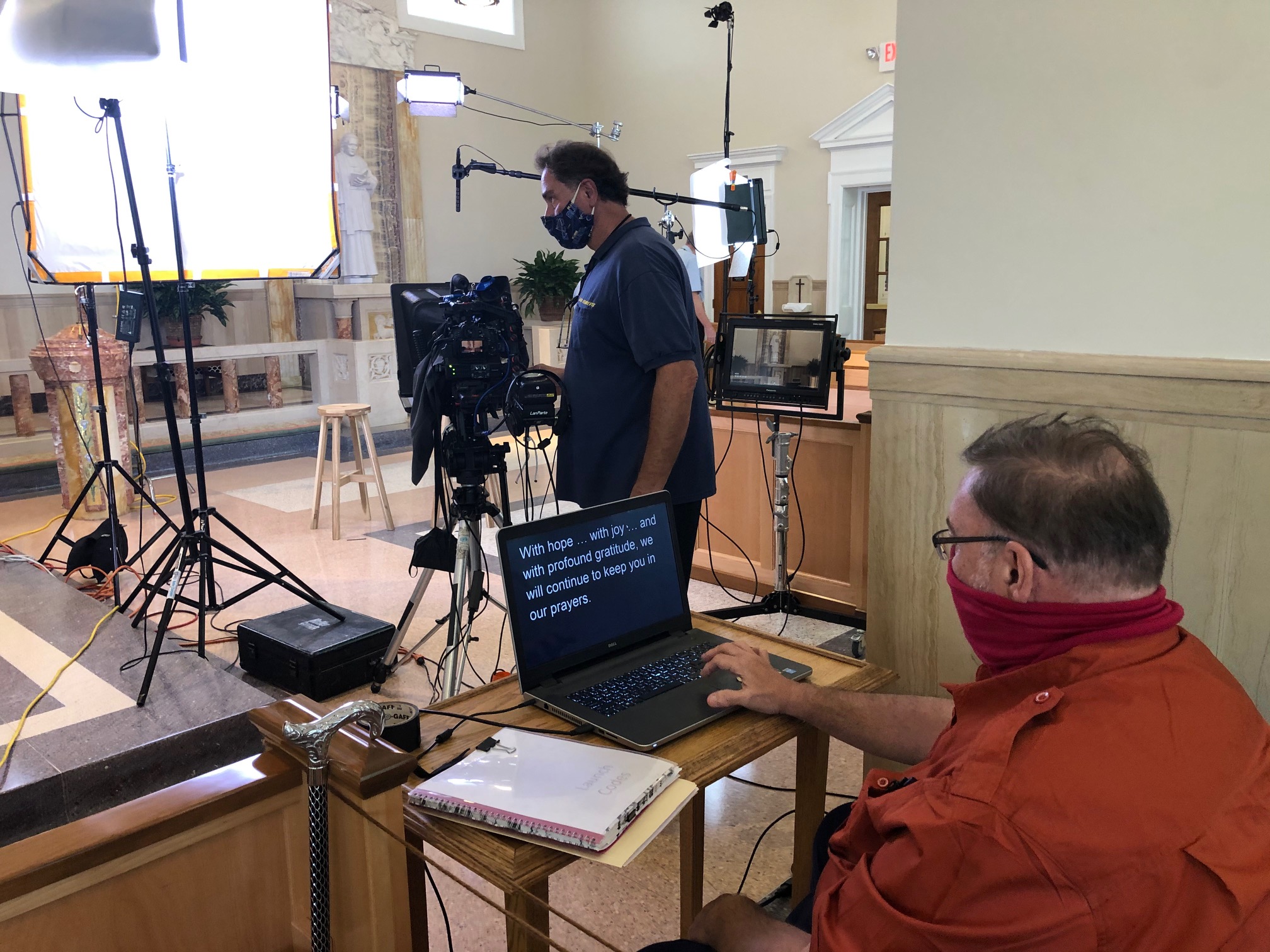
  • “FAQ” Video: Address frequently asked questions on camera, with a company representative using a teleprompter for a direct connection with viewers. Enhance the video with supplementary media and graphics for depth.

5. Executive Videos:

  • “Triumph and Tragedy” Video: Have a member of your leadership team share a personal story of their greatest achievement and most significant mistake. Focus on how these experiences shaped their professional growth and contributed to the company’s success.

6. Customer Relations Videos:

  • “Best Client” Video: Create a narrative about one of your most valued clients. Not only does this stroke their ego, but it also demonstrates your appreciation for their commitment to your business.

These are just a few corporate video ideas to consider. Partnering with a trusted video production company like St. Louis Video Production Crews can help you bring your vision to life. If you have a project in mind, we’d be delighted to showcase how we can contribute to your business’s success. Contact us today to get started!

videocrewsstlouis@gmail.com

314-913-5626

Guide to Video Production Crew Services

In the world of modern marketing and communication, video content reigns supreme. Whether you’re a business owner, a marketer, or a content creator, the power of video cannot be ignored. It’s a dynamic and engaging medium that can convey your message, tell your story, and connect with your audience in ways that other forms of content simply can’t match. However, creating high-quality video content requires more than just a camera and some creative ideas. That’s where a video production crew comes into play. In this comprehensive guide, we’ll explore everything you need to know about video production crew services and why they are essential for creating memorable videos that get results.

Editing and post-production play a significant role in the final quality of your video.

What is a Video Production Crew?

A video production crew is a team of skilled professionals who work together to bring your video project to life. This team typically includes a range of specialists, each with their own expertise and responsibilities. Here are some of the key roles you’ll find in a typical video production crew:

  • Director: The director is the creative leader of the project. They oversee the entire production process, from concept development to post-production. The director’s job is to ensure that the project stays on track and that the creative vision is realized.
  • Producer: Producers are responsible for the logistics of the production. They handle everything from budgeting and scheduling to hiring crew members and securing locations. Producers are the ones who make sure the project stays within budget and on schedule.
  • Cinematographer (Director of Photography): The cinematographer is in charge of capturing the visual elements of the project. They work closely with the director to achieve the desired look and feel of the video. This includes choosing the right camera, lenses, and lighting equipment.
  • Camera Operators: Camera operators are responsible for operating the cameras during the shoot. They work closely with the cinematographer to frame shots and capture the action as it unfolds.
  • Sound Engineer: Good audio is crucial for any video production. The sound engineer is responsible for recording high-quality audio on set. This includes capturing dialogue, ambient sound, and any necessary music or sound effects.
  • Editor: After the shoot is complete, the editor takes all the footage and assembles it into a coherent and engaging video. They work closely with the director to achieve the desired pacing and storytelling.
  • Production Assistants: Production assistants (PAs) handle various tasks on set to support the rest of the crew. This can include everything from setting up equipment to fetching coffee.

Why Do You Need a Video Production Crew?

Now that you know what a video production crew is, you might be wondering why you need one. Can’t you just grab a camera and start shooting? While it’s true that anyone can create a video these days, producing high-quality, professional content requires a team of experts. Here are some reasons why hiring a video production crew is essential:

  1. Expertise: Each member of a video production crew is a specialist in their field. They have years of experience and knowledge that they bring to the project. This expertise ensures that your video will be of the highest quality.
  2. Efficiency: A well-coordinated crew can work quickly and efficiently, saving you time and money. They know how to set up equipment, light a scene, and capture the perfect shot in a fraction of the time it would take an amateur.
  3. Professional Equipment: Video production crews have access to top-of-the-line equipment, including cameras, lighting, and sound gear. This equipment can make a significant difference in the quality of your video.
  4. Creative Collaboration: Working with a crew means you have a team of creative minds at your disposal. They can help brainstorm ideas, solve problems, and bring a fresh perspective to your project.
  5. Attention to Detail: Professionals pay attention to the little things that can make or break a video. Whether it’s ensuring proper focus, framing, or audio quality, a crew knows how to achieve perfection.
  6. Post-Production Excellence: Editing is a crucial part of video production, and professionals excel in this area. They can polish your footage, add special effects, and create a final product that stands out.

Types of Video Production Crew Services

Video production crews offer a wide range of services to cater to different needs and budgets. Here are some of the common types of video production crew services you might encounter:

1. Corporate Video Production

Corporate video production involves creating videos for businesses and organizations. These videos can serve various purposes, such as promotional videos, training videos, and internal communications. A skilled video production crew can help you convey your brand message effectively and professionally.

2. Commercial Production

Commercial production involves creating advertisements for television, online platforms, or cinema. These videos are designed to grab the audience’s attention and drive them to take action, whether it’s buying a product or visiting a website. A video production crew specializing in commercials understands the art of storytelling and persuasion.

3. Documentary Production

Documentaries are non-fiction films that explore real-life events, people, or issues. Producing a documentary requires in-depth research, storytelling skills, and the ability to capture candid moments. A video production crew experienced in documentary filmmaking can bring your story to life.

4. Event Videography

Event videography involves capturing live events, such as weddings, conferences, and concerts. These videos serve as keepsakes for participants and can also be used for promotional purposes. A video production crew with experience in event videography knows how to work in fast-paced environments and capture important moments.

5. Music Video Production

Music videos are an essential part of promoting music artists and their songs. They often involve creative storytelling and visual effects. A video production crew specializing in music videos can turn your artistic vision into reality.

6. Social Media Content

In today’s digital age, social media platforms are powerful tools for reaching your audience. Short-form videos, such as those for TikTok, Instagram, and YouTube, require a different approach. A video production crew experienced in social media content creation can help you create engaging and shareable videos.

7. Educational and Training Videos

Educational and training videos are used by businesses and educational institutions to teach specific skills or concepts. These videos need to be informative and engaging. A video production crew experienced in educational content can help you create effective training materials.

8. Web Series and Webisodes

Web series and webisodes are episodic video content created for online platforms. They can range from scripted dramas to unscripted reality shows. A video production crew experienced in web series production can help you develop and produce your online series.

9. Virtual and Augmented Reality (VR/AR)

Virtual and augmented reality videos provide immersive experiences for viewers. These videos require specialized equipment and expertise. A video production crew with VR/AR experience can create interactive and engaging content.

10. Animation and Motion Graphics

Animation and motion graphics are powerful tools for explaining complex concepts or adding visual appeal to your videos. A video production crew with animation expertise can create custom animations and graphics to enhance your content.

How to Choose the Right Video Production Crew

Choosing the right video production crew for your project is crucial to its success. Here are some steps to help you make an informed decision:

1. Define Your Project Goals

Before you start searching for a video production crew, clarify your project goals. What do you want to achieve with your video? Who is your target audience? Understanding your objectives will help you find a crew that specializes in your type of project.

2. Review Portfolios

Once you have a list of potential video production crews, review their portfolios. Look for examples of their previous work that align with your project’s goals and style. Pay attention to the quality of their work, storytelling abilities, and production values.

3. Check References

Ask for references from past clients and contact them to learn about their experiences working with the video production crew. Were they satisfied with the results? Did the crew meet deadlines and stay within budget? This feedback can be invaluable in your decision-making process.

4. Discuss Budget and Timeline

Clearly communicate your budget and timeline with the video production crews you’re considering. Make sure they can work within your constraints and provide a detailed estimate of their costs. Be wary of crews that give you vague or unrealistic estimates.

5. Evaluate Equipment and Technology

Ask about the equipment and technology the video production crew uses. Do they have access to the latest camera gear, lighting equipment, and editing software? High-quality equipment can make a significant difference in the final product.

6. Consider Communication and Collaboration

Effective communication and collaboration are essential for a successful video production. Ensure that you have a good rapport with the crew and that they understand your vision. A crew that values collaboration will be more likely to bring your ideas to life.

7. Assess Creativity and Innovation

Look for a video production crew that is not only skilled but also creative and innovative. They should be able to offer fresh ideas and solutions to make your video stand out. Ask about their approach to storytelling and visual aesthetics.

8. Evaluate Post-Production Capabilities

Editing and post-production play a significant role in the final quality of your video. Inquire about the crew’s editing capabilities, including software proficiency and their approach to post-production. A crew with strong post-production skills can elevate your project.

9. Discuss Distribution and Promotion

Consider whether the video production crew can assist with distribution and promotion. Do they have experience optimizing videos for various platforms, including YouTube, social media, and websites? A crew that understands the distribution process can help maximize the reach of your video.

10. Get a Written Agreement

Once you’ve selected a video production crew, it’s essential to have a written agreement in place. This agreement should outline all the project details, including scope, timeline, budget, and deliverables. Having a clear contract helps avoid misunderstandings and ensures that both parties are on the same page.

Working with Your Video Production Crew

Once you’ve chosen the right video production crew, it’s time to collaborate and bring your project to life. Here are some tips for working effectively with your crew:

1. Communicate Clearly

Open and transparent communication is key to a successful video production. Clearly convey your vision, objectives, and expectations to the crew. Encourage them to ask questions and provide feedback throughout the process.

2. Trust the Experts

You’ve hired professionals for a reason, so trust their expertise. While it’s essential to communicate your ideas, be open to their suggestions and creative input. They may have insights that can enhance your project.

3. Stay Organized

Good organization is essential for a smooth production process. Keep track of schedules, shot lists, and all necessary paperwork. Make sure everyone on the crew is aware of their responsibilities and roles.

4. Be Flexible

Video production can be unpredictable, and unexpected challenges may arise. Be flexible and adaptable when necessary. Trust your crew to find solutions and keep the project on track.

5. Respect the Timeline

Stick to the agreed-upon timeline to ensure that your project stays on schedule. Delays can lead to additional costs and complications. Work closely with your crew to meet deadlines.

6. Provide Feedback

Throughout the production process, provide constructive feedback to the crew. This feedback helps them make adjustments and improvements as needed. A collaborative approach can lead to a better end result.

7. Review Rough Cuts

Once the editing process begins, review rough cuts of the video and provide feedback. This is the time to make any necessary revisions and ensure that the final product aligns with your vision.

8. Plan for Distribution

Consider how you’ll distribute and promote your video once it’s complete. Work with the crew to optimize the video for various platforms and create a marketing plan if necessary.

Conclusion

A video production crew is an essential asset when it comes to creating high-quality, engaging, and effective video content. Their expertise, equipment, and creative skills can elevate your project and help you achieve your goals. Whether you’re producing corporate videos, commercials, documentaries, or any other type of video content, choosing the right crew is crucial.

As a full-service video studio creation company, St. Louis Video Production Crews has worked with many businesses in the St. Louis area to create impactful videos. We specialize in recording testimonials either on location or in our studio, providing all the b-roll needed to cover the interview. With extensive equipment and a broad range of crew experience, we are well-versed in all file types and styles of media. Our team can help you customize your personal brand identity for all your diverse media platforms with proper SEO. Trust us to be your partner in bringing your video vision to life. Contact us today to discuss your video production and crewing needs.

Don’t miss the opportunity to harness the power of video for your business or creative endeavors. Choose a video production crew that aligns with your goals, and you’ll be well on your way to creating memorable videos that get results.

videocrewsstlouis@gmail.com

314-913-5626

Crafting Compelling Questions: How to Script for a Sit Down Video Interview

In the realm of video production, one of the most powerful tools for conveying information and telling stories is the sit-down video interview. Whether you’re creating content for corporate communications, marketing, documentaries, or educational purposes, a well-structured interview can captivate your audience and deliver your message effectively. However, the success of a sit-down interview hinges on the questions you ask. Crafting compelling questions is both an art and a science, and in this comprehensive guide, we’ll delve into the strategies and techniques that experienced videographers at St. Louis Video Production Crews use to script engaging and informative interviews.

Leading questions are carefully phrased questions that guide the interviewee toward a specific response. They should be used sparingly and ethically, as they can be perceived as manipulative.

The Power of a Well-Scripted Interview

Before we dive into the nitty-gritty of crafting questions, let’s first understand why a well-scripted interview is essential for successful video production.

  1. Clarity of Message: An interview script ensures that the key messages you want to convey are covered. It helps you stay on track and deliver your intended content.
  2. Engagement: Well-thought-out questions can engage your interviewee, helping them open up and provide insightful responses. Engaged interviewees often provide more genuine and passionate answers.
  3. Storytelling: Interviews are a powerful way to tell a story. Scripting allows you to structure the interview in a way that builds a narrative, drawing the audience into the subject matter.
  4. Professionalism: Having a script demonstrates professionalism. It conveys that you’ve done your homework and are well-prepared, which can instill confidence in your interviewee.

Now, let’s get into the details of crafting compelling questions for your sit-down video interview.

Understanding Your Audience and Goals

The first step in scripting a successful interview is understanding your audience and your goals. Here are some questions to consider:

  • Who is your target audience? Are you speaking to experts in the field, or is your content aimed at a general audience?
  • What are your goals for this interview? Are you trying to educate, entertain, persuade, or inform?
  • What message do you want to convey? Define the key points or takeaways you want your audience to remember.
  • What emotions do you want to evoke? Consider the emotional impact you want your interview to have on your viewers.
  • How long should the interview be? Determine the optimal duration for your content based on your audience’s preferences and attention span.

Once you have a clear understanding of your audience and goals, you can start crafting questions that align with your objectives.

Types of Questions

In a sit-down video interview, various types of questions can be used to elicit different types of responses. Here are some common question types and when to use them:

1. Open-Ended Questions

Open-ended questions are questions that cannot be answered with a simple “yes” or “no.” They encourage interviewees to provide detailed and thoughtful responses. These are great for storytelling and getting in-depth information.

Example: “Can you describe your journey from beginner to expert in this field?”

2. Closed Questions

Closed questions are those that can be answered with a brief response, often a “yes” or “no.” These are useful for obtaining specific facts or verifying information.

Example: “Did you receive formal training in this area?”

3. Probing Questions

Probing questions are follow-up questions that dig deeper into a specific topic or response. They are used to explore the interviewee’s thoughts and feelings in more detail.

Example: “Can you elaborate on the challenges you faced during that project?”

4. Hypothetical Questions

Hypothetical questions ask interviewees to consider a hypothetical situation and how they would respond. These can be used to explore potential scenarios or gauge problem-solving skills.

Example: “What would you do differently if you were faced with a similar situation today?”

5. Reflective Questions

Reflective questions encourage interviewees to reflect on their experiences or opinions. These can lead to introspective and personal responses.

Example: “Looking back, what has been the most significant influence on your career?”

6. Leading Questions

Leading questions are carefully phrased questions that guide the interviewee toward a specific response. They should be used sparingly and ethically, as they can be perceived as manipulative.

Example: “Wouldn’t you agree that your innovative approach was a game-changer in your industry?”

Structuring Your Interview

Now that you have an understanding of the types of questions, it’s time to structure your interview. Here’s a step-by-step guide:

1. Introduction

Start with a warm and welcoming introduction. Briefly explain the purpose of the interview and what the audience can expect. This sets the tone and helps put the interviewee at ease.

2. Icebreaker Questions

Begin with some light and easy-to-answer questions. These can help the interviewee relax and get comfortable in front of the camera. Icebreakers can also be used to build rapport.

3. Main Questions

These are the core questions that cover your key messages and objectives. Use a mix of question types to keep the interview engaging. Ensure that your questions flow logically and build a narrative.

4. Follow-Up Questions

Throughout the interview, be prepared to ask follow-up questions based on the interviewee’s responses. This demonstrates active listening and can lead to more profound insights.

5. Closing Questions

As you wrap up the interview, ask closing questions that summarize key points or allow the interviewee to provide any final thoughts or advice.

6. Thank You and Closure

End the interview by thanking the interviewee for their time and participation. Let them know what the next steps will be, whether it’s editing, promotion, or sharing the final product.

Crafting Effective Questions

Now that you have a structure in place, let’s focus on the art of crafting effective questions:

1. Be Clear and Concise

Questions should be clear and concise, avoiding ambiguity. Use straightforward language that is easy to understand.
2. Use Neutral Language

Avoid leading questions that suggest a particular answer. Maintain objectivity to ensure the interviewee feels comfortable providing their honest opinion.

3. Focus on One Point at a Time

Each question should address a single point or topic. This makes it easier for the interviewee to provide a coherent response.

4. Start with “W” Words

Questions that start with words like “who,” “what,” “when,” “where,” and “why” are often effective in eliciting detailed responses.

5. Be Sensitive

If your interview touches on sensitive or emotional topics, approach them with care and empathy. Ensure the interviewee feels safe sharing their experiences.

6. Avoid Jargon

Keep in mind your audience’s level of expertise and avoid industry-specific jargon that might alienate viewers.

7. Practice Active Listening

During the interview, actively listen to the interviewee’s responses. This can lead to insightful follow-up questions and a more engaging conversation.

Conducting the Interview

A well-crafted script is only part of the equation; conducting the interview itself requires skill and finesse. Here are some tips for a successful interview:

1. Create a Comfortable Environment

Ensure the interviewee is comfortable and relaxed. This includes factors like lighting, temperature, and seating arrangements.

2. Build Rapport

Establish a connection with the interviewee before diving into the core questions. Engage in small talk or share a few personal anecdotes to create a sense of trust.

3. Maintain Eye Contact

Maintaining eye contact, even in a video interview, conveys attentiveness and respect.

4. Listen Actively

Listen carefully to the interviewee’s responses. Don’t rush to the next question; instead, allow for pauses that may lead to deeper insights.

5. Stay Flexible

While you have a script, be prepared to deviate from it if the conversation takes an interesting or unexpected turn. Spontaneous moments can yield compelling content.

6. Manage Time Wisely

Keep an eye on the clock to ensure you cover all planned questions within the allotted time.

7. Show Appreciation

Express gratitude to the interviewee for their time and contributions. A positive experience can lead to future collaborations.

Editing and Post-Production

Once the interview is complete, the work isn’t over. Editing and post-production play a crucial role in shaping the final video. Here are some considerations:

1. Storytelling Flow

Arrange the interview segments to create a coherent and engaging narrative. Use transitions and B-roll footage to enhance storytelling.

2. Remove Distractions

Eliminate background noise, awkward pauses, or technical glitches during the editing process.

3. Captions and Graphics

Consider adding captions, graphics, or visual aids to complement the interview and enhance viewer understanding.

4. Music and Sound

Choose appropriate music and ensure optimal sound quality throughout the video.

5. Review with Objectivity

Review the edited interview with an objective eye to ensure it aligns with your initial goals and key messages.

St. Louis Video Production Crews: Your Video Production Partner

At St. Louis Video Production Crews, we understand the intricacies of crafting compelling questions and conducting engaging sit-down video interviews. Our experienced team of videographers is well-versed in all aspects of location and studio production, ensuring that your content is professionally produced and tailored to your audience.

As a full-service video company based in St. Louis, we have worked with businesses of all sizes, providing a wide range of equipment options to meet your specific needs. Whether you require studio production for a polished and controlled environment or location production for a more authentic feel, we have you covered.

Our expertise extends beyond video production; we are experts at simultaneously shooting video and photography for your next project. This dual capability allows you to maximize the visual assets for your internal and external communications.

In conclusion, the art of crafting compelling questions for sit-down video interviews is a skill that can elevate your video production efforts to new heights. Understanding your audience and goals, employing various question types, and conducting interviews with finesse are key elements in creating engaging and informative content. With St. Louis Video Production Crews as your video production partner, you can be confident in the quality and impact of your video interviews.

If you’re ready to take your video production to the next level and leverage the expertise of a seasoned team, contact St. Louis Video Production Crews today. Let us help you communicate your message effectively and captivate your audience through the power of sit-down video interviews.

Contact us now to discuss your video scripting and production needs. Together, we can create compelling content that resonates with your audience and achieves your communication goals.

videocrewsstlouis@gmail.com

314-913-5626

Use Video For Your Ecommerce Pages

With countless websites vying for consumer attention, it’s crucial to employ strategies that not only capture interest but also drive conversions. One such strategy that has proven to be incredibly effective is incorporating videos on your ecommerce pages. In this article, we’ll delve into the reasons why video is an indispensable tool for enhancing your ecommerce platform and explore how partnering with a seasoned professional like St Louis Video Production Crews can take your corporate branding and business marketing to new heights.

Testimonial videos, behind-the-scenes glimpses, and “about us” videos can all contribute to fostering a sense of trust and loyalty.

The Power of Visual Engagement

Video content offers a unique advantage in the realm of digital marketing by providing a dynamic and engaging medium that captures viewers’ attention like no other. In a world where scrolling through endless web pages has become the norm, a well-crafted video can serve as a breath of fresh air, effectively stopping users in their tracks. The combination of visual and auditory elements stimulates multiple senses, leading to better retention of information and a more memorable brand experience.

Showcasing Products in Action

For ecommerce platforms, the ability to showcase products effectively is paramount. While high-quality images and detailed descriptions are essential, they often fall short in conveying the full scope of a product’s features and benefits. This is where product demonstration videos come into play. By demonstrating how a product functions, its versatility, and the problems it solves, you provide potential customers with a more comprehensive understanding of what they’re considering purchasing. This heightened understanding leads to increased confidence in the product and, consequently, a higher likelihood of conversion.
Building Trust and Authenticity

In a digital landscape brimming with options, building trust with your audience is vital. Video content offers a unique opportunity to create an emotional connection with viewers, helping to humanize your brand. By featuring real people – whether it’s satisfied customers, enthusiastic employees, or the founders themselves – you can convey authenticity and establish a personal rapport with potential customers. Testimonial videos, behind-the-scenes glimpses, and “about us” videos can all contribute to fostering a sense of trust and loyalty.

Tapping into the Explainer Video Advantage

The journey from visitor to customer often hinges on how well you communicate your value proposition. Explainer videos are a versatile tool that excels in succinctly conveying complex ideas or concepts. Whether you’re introducing a new product, explaining a technical feature, or outlining a step-by-step process, explainer videos offer a concise and engaging way to educate your audience. These videos can reduce confusion, answer common questions, and help visitors make informed decisions, ultimately boosting conversion rates.

Enhancing SEO and Social Sharing

Video content isn’t just visually compelling; it’s also a boon for your website’s search engine optimization (SEO) efforts. Search engines, especially Google, tend to favor websites that feature a diverse range of content, including videos. By embedding videos on your ecommerce pages, you increase the time users spend on your site, reduce bounce rates, and signal to search engines that your content is valuable and relevant. Additionally, videos are highly shareable on social media platforms, amplifying your reach and potentially leading to viral exposure.

St Louis Video Production Crews: Your Ecommerce Partner

While recognizing the potential of video content for ecommerce is essential, executing it effectively requires expertise, creativity, and technical proficiency. This is where St Louis Video Production Crews comes into play. As a full-service video production and photography studio with a legacy dating back to 1982, we are committed to helping businesses in the St. Louis region elevate their corporate branding and marketing strategies through the power of video.

Our team of experienced video producers understands the nuances of creating impactful videos that resonate with your target audience. From concept development and scriptwriting to filming, editing, and post-production, we handle every step of the process with meticulous attention to detail. Whether you need product demonstration videos, testimonial videos, explainer videos, or any other type of video content, we tailor our approach to align with your brand identity and business goals.

Over the years, we have partnered with numerous large and small businesses and organizations, creating compelling video content that drives results. From ecommerce video webpages to comprehensive marketing campaigns, we’ve consistently delivered high-quality videos that leave a lasting impression.

Experience Matters

With a track record spanning decades, we have amassed a wealth of experience that sets us apart in the industry. Our team’s deep understanding of storytelling, cinematography, and cutting-edge video production techniques ensures that every video we create is not just a visual treat but also a strategic asset that contributes to your bottom line.

In the ever-evolving landscape of digital marketing, leveraging video content can give your ecommerce platform a competitive edge. By partnering with a seasoned professional like St Louis Video Production Crews, you’re not just investing in videos; you’re investing in a powerful tool that can elevate your brand, engage your audience, and drive conversions.

Ready to take your ecommerce pages to the next level? Contact St Louis Video Production Crews today and let’s embark on a journey to transform your online presence through the magic of video.

As a professional photo and video company, St Louis Video Production Crews has produced hundreds of video projects and helped in many ecommerce video webpages for all types of large and small businesses and organizations in the St. Louis region.

videocrewsstlouis@gmail.com

314-913-5626

Video Production Will Help Champion Your Corporate Diversity and Inclusion Program

by Bob Haller, St Louis Video Producer and Director


Introduction

In today’s corporate landscape, diversity and inclusion have become more than just buzzwords. They are essential elements for organizations striving to create an inclusive and equitable workplace. A robust diversity and inclusion program not only promotes social responsibility but also yields numerous benefits for businesses, including increased innovation, employee satisfaction, and improved brand reputation. To effectively champion your corporate diversity and inclusion program, video production emerges as a powerful tool. In this article, we will explore how video production can be leveraged to amplify your organization’s commitment to diversity and inclusion.

By utilizing the power of visual storytelling, increasing awareness and education, building brand reputation, and amplifying engagement and social impact, videos can serve as a catalyst for positive change within your organization and beyond.

1. Visual Storytelling for Impactful Communication

Video production provides a medium for visual storytelling, allowing organizations to communicate their diversity and inclusion efforts in a powerful and impactful manner. By combining visuals, audio, and narratives, videos can effectively convey the values, experiences, and impact of your diversity and inclusion initiatives.

1.1 Showcasing Diverse Employee Voices

Through video interviews and testimonials, you can give a voice to your employees from diverse backgrounds. These videos can highlight their experiences, challenges, and achievements within your organization. By sharing their stories, you humanize your diversity and inclusion program, fostering empathy and understanding among your audience.

1.2 Sharing Success Stories and Best Practices

Videos are an excellent medium for showcasing the successes and best practices of your diversity and inclusion initiatives. Whether it’s highlighting the impact of employee resource groups, mentorship programs, or diversity training, videos allow you to capture the essence of these achievements. This visual representation inspires and motivates both internal and external stakeholders, encouraging them to actively participate in your efforts.


2. Increasing Awareness and Education

Video production also plays a crucial role in increasing awareness and educating employees, stakeholders, and the wider community about diversity and inclusion issues.

2.1 Training and Education Videos

Developing educational videos as part of your diversity and inclusion program can be immensely valuable. These videos can cover a range of topics, such as unconscious bias, cultural sensitivity, LGBTQ+ inclusion, and disability awareness. By providing concise and engaging content, videos make it easier for individuals to grasp complex concepts and promote a more inclusive work environment.

2.2 Webinars and Live Streaming

Webinars and live streaming sessions offer an interactive way to engage employees in conversations around diversity and inclusion. These live video events can feature expert speakers, panel discussions, and Q&A sessions. They allow for real-time engagement and encourage active participation, fostering a sense of inclusivity and shared learning.


3. Building Brand Reputation and Attracting Talent

Video production also plays a vital role in building your brand reputation and attracting diverse talent to your organization.

3.1 Diversity-focused Brand Videos

By creating brand videos that highlight your organization’s commitment to diversity and inclusion, you can strengthen your brand reputation. These videos can showcase your organization’s values, inclusive culture, and initiatives aimed at supporting diverse employees. Prospective candidates who resonate with these values are more likely to be attracted to your organization, enhancing your ability to recruit top-tier talent.

3.2 Video Recruitment Campaigns

Traditional job postings may not effectively communicate your commitment to diversity and inclusion. However, video recruitment campaigns allow you to present your organization as an inclusive and welcoming workplace. These videos can feature current employees from diverse backgrounds, sharing their experiences and why they enjoy working for your organization. By showcasing the diversity within your workforce, you send a powerful message to potential candidates, encouraging them to join your organization.


4. Amplifying Engagement and Social Impact

Videos have the potential to generate significant engagement and social impact, enabling your diversity and inclusion program to reach a broader audience.

4.1 Social Media Campaigns

Video content is highly shareable and can go viral on social media platforms. By creating engaging and thought-provoking videos related to diversity and inclusion, you can initiate conversations, spark dialogue, and raise awareness on a larger scale. Social media campaigns centered around videos can help amplify your message and reach a wider audience, thereby increasing the social impact of your diversity and inclusion program.

4.2 Collaborations with Influencers and Advocates

Partnering with influential figures and advocates in the diversity and inclusion space can significantly amplify the impact of your video content. Collaborating with individuals who have a strong following and are passionate about diversity and inclusion can help you reach new audiences and engage with communities that align with your organization’s values. Their endorsement and participation in your videos can lend credibility and foster a sense of authenticity, further enhancing the reach and impact of your diversity and inclusion efforts.


Conclusion

In a world where visual content has become a dominant form of communication, leveraging video production is a strategic approach to championing your corporate diversity and inclusion program. By utilizing the power of visual storytelling, increasing awareness and education, building brand reputation, and amplifying engagement and social impact, videos can serve as a catalyst for positive change within your organization and beyond. By embracing video production, you can showcase the richness of your diverse workforce, foster inclusivity, attract top talent, and make a lasting impact on your employees, stakeholders, and the wider community. Incorporating video production into your diversity and inclusion strategy will help propel your organization towards a more equitable and inclusive future.


About the Author

Bob Haller is a St Louis video producer with expertise in diversity and inclusion initiatives. He has been instrumental in driving meaningful change within organizations through the power of video production. With a passion for creating inclusive workplaces, they continue to champion diversity and inclusion programs that make a difference.

videocrewsstlouis@gmail.com

314-913-5626