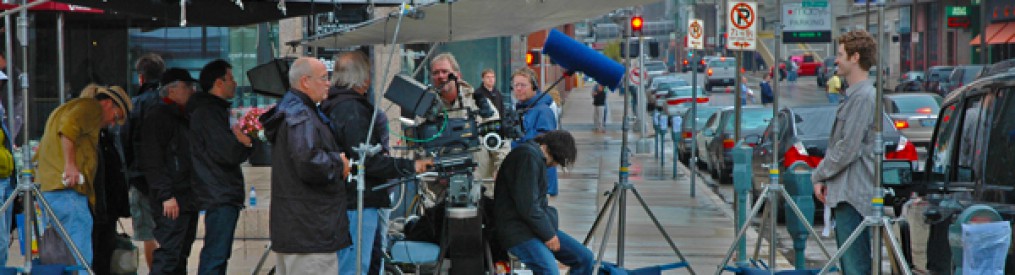
Location scouting is a critical step in the production process that can make or break your project. Whether you’re creating a corporate video, a marketing campaign, or any other visual content, choosing the right location is essential. Yet, many production teams encounter pitfalls that can lead to delays, budget overruns, and disappointing results. In this post, we’ll explore common mistakes in location scouting and provide guidance on how to avoid them, ensuring a smoother production process.
1. Not Defining Your Vision
Before you begin scouting locations, it’s crucial to have a clear vision of what you want to achieve. Failing to define your project’s goals can lead to wasted time and effort. Take the time to develop a detailed brief that outlines the project’s objectives, themes, and stylistic elements. This will serve as your roadmap during the scouting process and help you identify locations that align with your vision.
2. Skipping the Recce
One of the most significant mistakes is relying solely on online images and descriptions. While technology allows us to view locations remotely, nothing compares to visiting a site in person. A site visit provides insights into lighting conditions, space dimensions, and the overall atmosphere. It also allows you to assess practical considerations, such as accessibility and parking.
3. Ignoring Legal Considerations
Every location comes with its own set of legal requirements, including permits and insurance. Failing to address these legalities can result in delays and additional costs. Before securing a location, research any permits or licenses required for filming. Collaborating with local authorities or property owners can help you navigate these legalities more smoothly.
4. Overlooking Logistics
Logistics can be a production’s silent enemy. When scouting locations, consider the logistics of moving your crew, equipment, and talent to and from the site. Evaluate factors such as:
- Access: Is the location easily accessible for your crew and equipment?
- Amenities: Are there nearby facilities for your team, such as restrooms or catering?
- Parking: Is there sufficient parking for your crew and production vehicles?
- Safety: Are there any safety concerns that could impact your shoot?
By addressing these logistical considerations upfront, you can minimize disruptions during production.

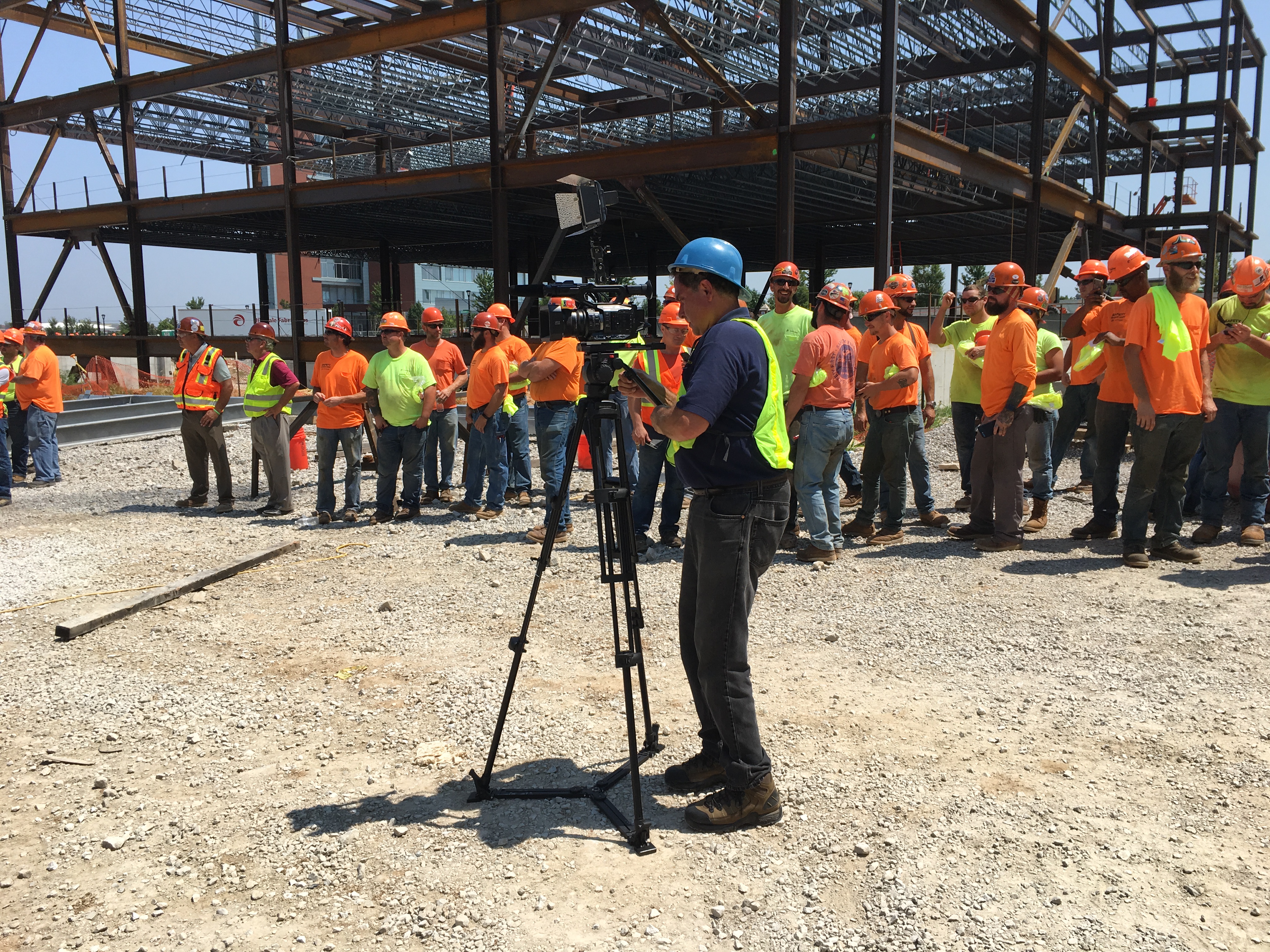


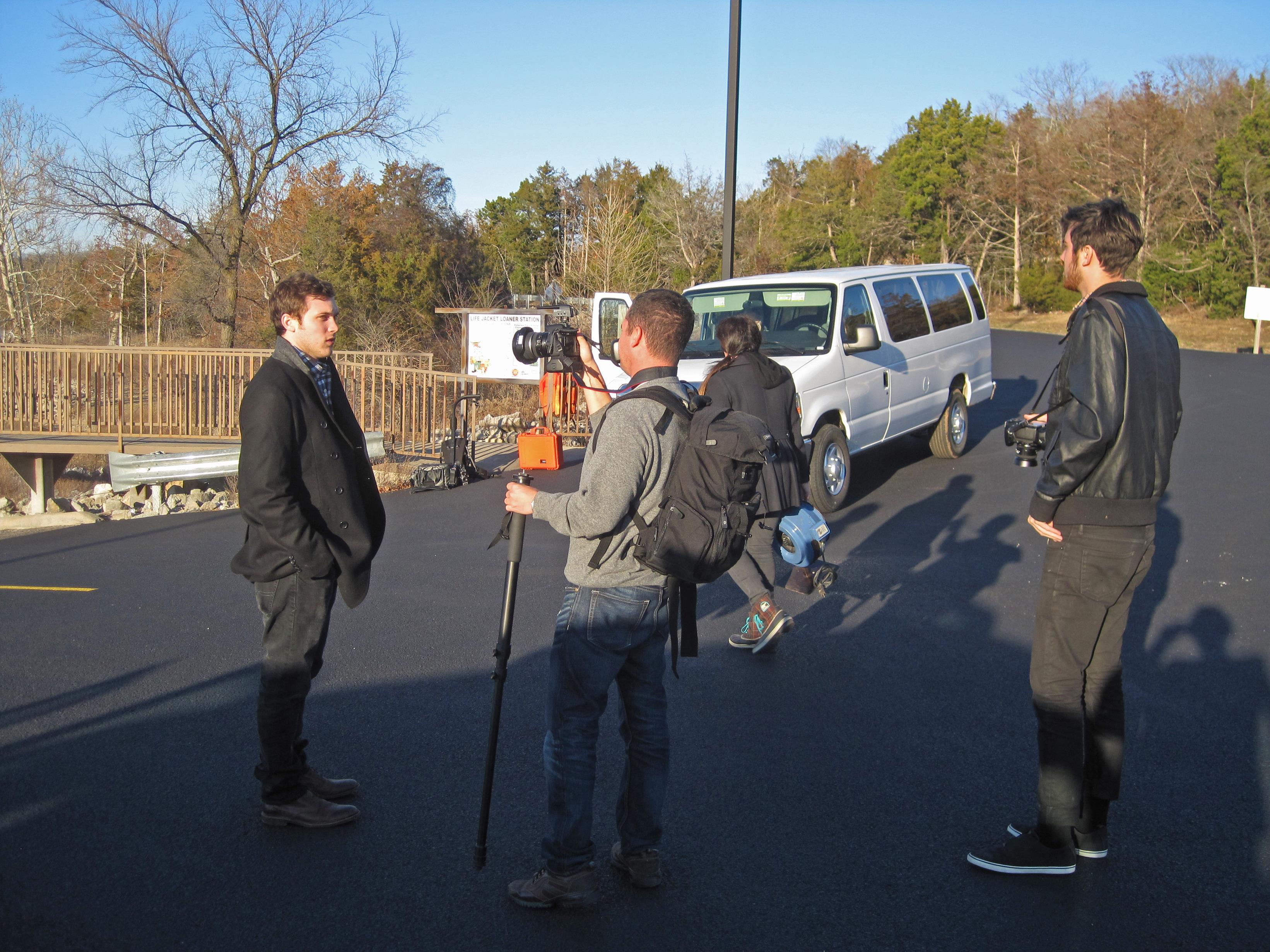

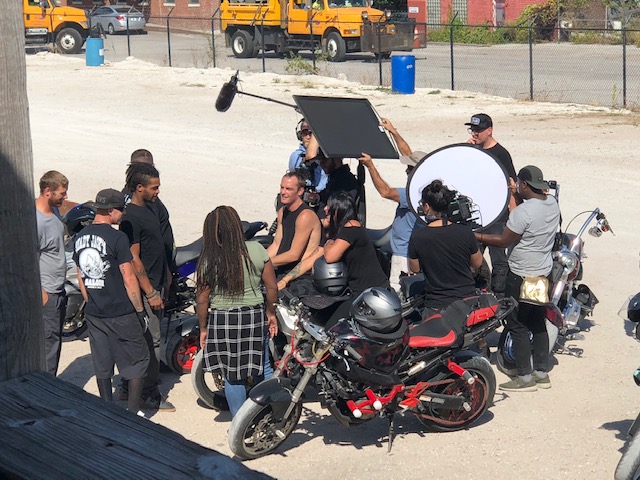

5. Failing to Communicate with Your Team
Effective communication with your production team is paramount. Once you’ve scouted a location, gather feedback from your crew to ensure everyone is aligned with the site’s suitability. This is especially important for technical teams who may have specific requirements for filming and sound quality. Regularly sharing updates and insights can help create a collaborative environment that enhances the overall production process.
6. Not Having a Backup Plan
Sometimes, despite careful planning, things don’t go as expected. Weather changes, unforeseen circumstances, or last-minute cancellations can disrupt your production schedule. Always have a backup plan in place, which includes alternative locations and shooting schedules. This flexibility can save time and resources, ensuring your production stays on track.
7. Ignoring Local Expertise
Partnering with local professionals can provide invaluable insights into the area you’re scouting. Local experts often have knowledge about hidden gems, logistical challenges, and local regulations that you may not be aware of. Engaging with experienced location scouts can lead to discoveries that elevate your production’s quality.
Conclusion
Avoiding these common location scouting mistakes can significantly improve the quality and efficiency of your video production. At St. Louis Video Production Crews, we understand the importance of meticulous planning and execution in location scouting. As a full-service professional commercial photography and video production company since 1982, we have the experience, right equipment, and creative crew service expertise necessary for successful image acquisition.
We offer comprehensive services, including studio and location video and photography, editing, post-production, and licensed drone pilots. Our team can customize your productions to meet diverse media requirements, ensuring your content stands out. We specialize in repurposing photography and video branding to help you gain more traction in your marketing efforts.
Our private studio, equipped with professional lighting and visual setups, is ideal for small productions and interview scenes. It provides ample space for props to enhance your set, and we can assist with every aspect of your production—from custom interview studio setups to providing sound and camera operators. With the capability to fly specialized drones indoors, we have everything you need to make your next video production perfect.
For any corporate photography or video needs in the St. Louis area, trust St. Louis Video Production Crews to deliver exceptional results tailored to your vision.


 St Louis Video Production Crews